
a food manufacturer running a robotic cleaning fleet
A Food Manufacturer's Robotic Cleaning Fleet Reports 72% Fewer Hygiene Incidents
A food manufacturer's fleet of 28 cleaning robots across four sites reports 72% fewer hygiene incidents and 44% lower cleaning labor costs, vendor reported.
Deployment at a glance
- 28
- Cleaning robots across four sites, vendor reported
- 72%
- Fewer hygiene noncompliance incidents, vendor reported
- 44%
- Lower cleaning labor costs, vendor reported
- 98.1%
- Floor sanitation score, vendor reported
Based on a documented real-world deployment. Figures are from public reporting; the organization is not named.
Sanitation risk weighs more than the cleaning bill
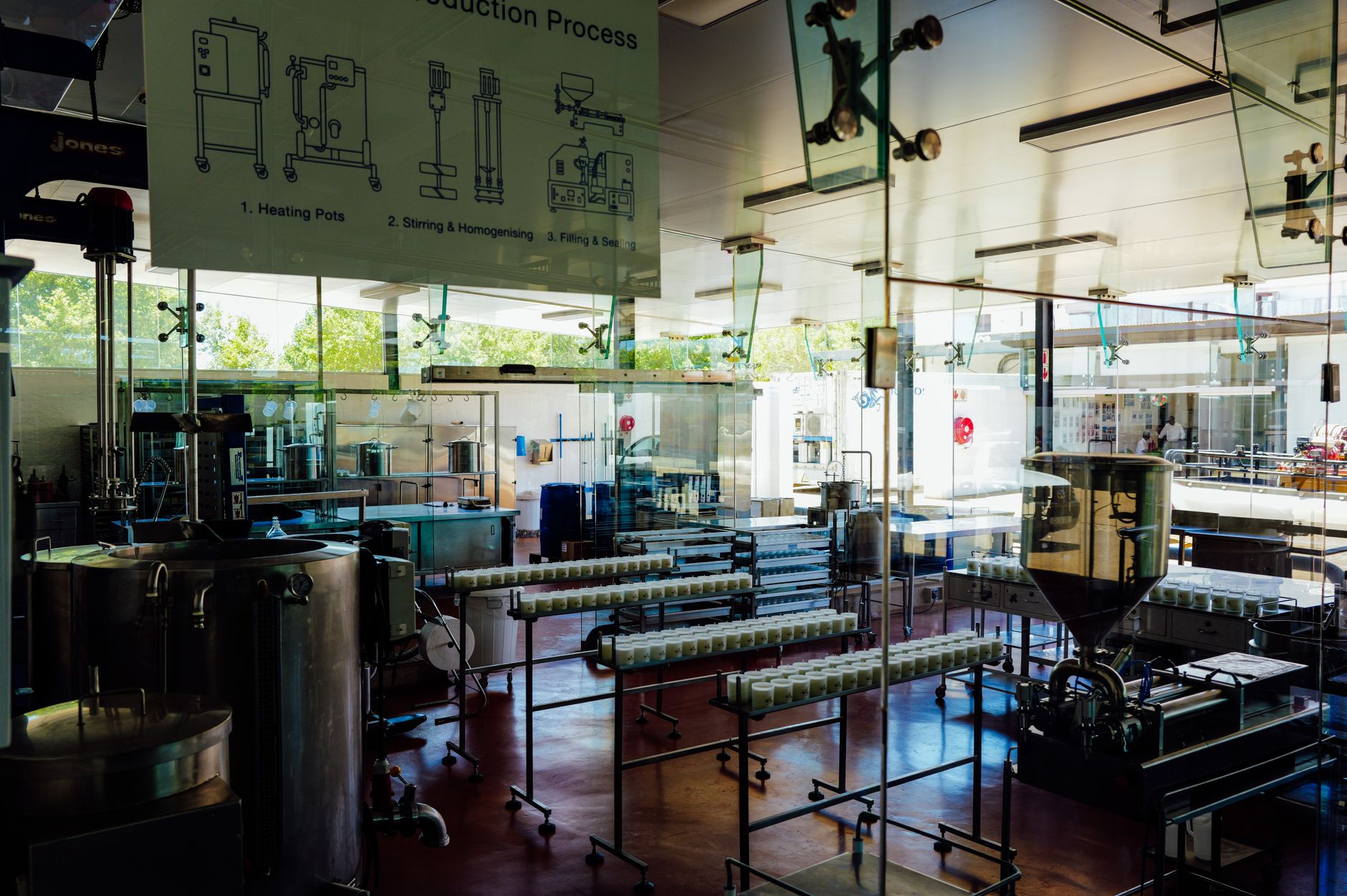
In a food plant, a missed patch of floor is never only a housekeeping problem. A food manufacturer running a robotic cleaning fleet faced the pressure most processors know well: sanitation has to hold on every line and on every shift, and a single lapse can turn an ordinary week into a corrective action file.
Cleaning was a labor heavy routine spread across several production sites. Keeping the same standard from one building to the next, and proving that it held, was costly and hard to verify by hand.
The operation's sharpest concern was hygiene noncompliance, the moments when cleaning fell short of the required standard. Food operators tend to weigh incidents as seriously as cost, because one lapse can halt a line or fail an audit.
- Four production sites that needed one consistent sanitation standard
- Cleaning labor cost to bring under control across all sites
- Hygiene noncompliance incidents as the primary risk to manage
One fleet, four sites, one management layer
The operation deployed a fleet of 28 autonomous cleaning robots across all four of its production sites. The robots covered the whole production footprint rather than a single building.
The fleet was managed through the vendor's AI Copilot platform, which put the work of all four sites in one view for supervisors. Central management put sanitation measurement at every plant on the same footing.
The vendor reports that the hygiene results were reached within eight months of full rollout. Incidents, coverage gaps and floor sanitation scores were reviewed as the fleet ran.
- Deploy autonomous cleaning robots at all four production sites
- Manage the full fleet through the vendor's AI Copilot platform
- Review incidents, coverage gaps and floor sanitation scores as the fleet runs
Reported results after full rollout
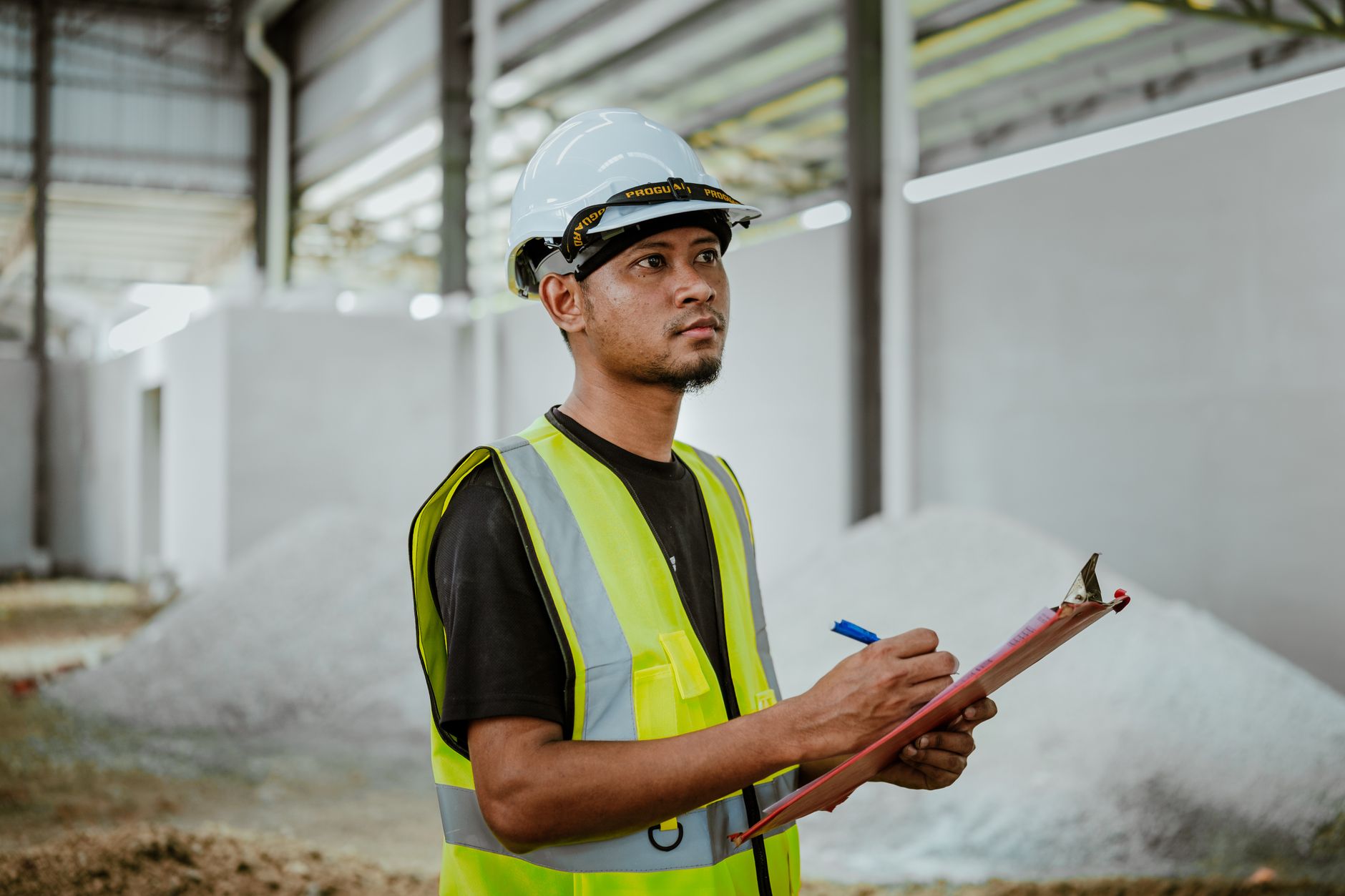
The headline outcome is a 72% drop in hygiene noncompliance incidents, reached within eight months of full rollout and reported by the vendor. It is the figure that matters most to a food operator, because a single incident can halt production.
Cleaning labor costs fell 44%, and a floor sanitation score of 98.1% was reported. Coverage gaps are a separate measure: the reported count fell from 34 to 9, which is also described as a 72% drop. Coverage gaps track where cleaning did not reach, so they are kept apart from incident counts here.
Taken together, the reported figures point to a fleet that worked on both the risk side and the cost side of sanitation. Labor savings are welcome, but for a food manufacturer the incident reduction usually carries more weight.
What this means for food operators weighing a cleaning fleet
A robotic cleaning fleet delivers results like these only when the robots suit the floors they work, integrate with the site and stay in service. Service Robot Co. is a full service, OEM neutral commercial robot integrator for US businesses. We select the right robots across manufacturers, then finance, deploy, integrate, train and service every unit through a nationwide US engineer network, so one partner handles the whole lifecycle.
For a food manufacturer, the first step is a site assessment. We map the facility, match autonomous floor scrubbers or other cleaning robots to the work, and quote a three year lease with one fixed payment after that assessment. Service sits inside the arrangement, with on site dispatch and remote triage when a unit needs attention.
Robots from different makers are chosen for fit, not for brand. A phased deployment can start with one leased unit before the fleet grows, which lets an operator test sanitation results on its own floors before committing to more. Details are at servicerobotco.com.
Frequently asked questions
Want a robot working for you?
Tell us the job and the site. We will recommend the robot, quote the lease, and keep it serviced.