
a food manufacturer running eight autonomous floor-cleaning robots
A Food Manufacturer's Eight Floor Cleaning Robots Report 62% Less Manual Labor
Eight autonomous floor cleaning robots at a food manufacturer, vendor reported: 62% less manual cleaning labor and 34% higher hygiene audit scores.
Deployment at a glance
- 62%
- Cut in manual cleaning labor hours, vendor reported
- 34%
- Gain in hygiene audit scores, vendor reported
- 8
- Autonomous floor cleaning robots in one fleet
- 18%
- Labor budget share of manual cleaning before the change
Based on a documented real-world deployment. Figures are from public reporting; the organization is not named.
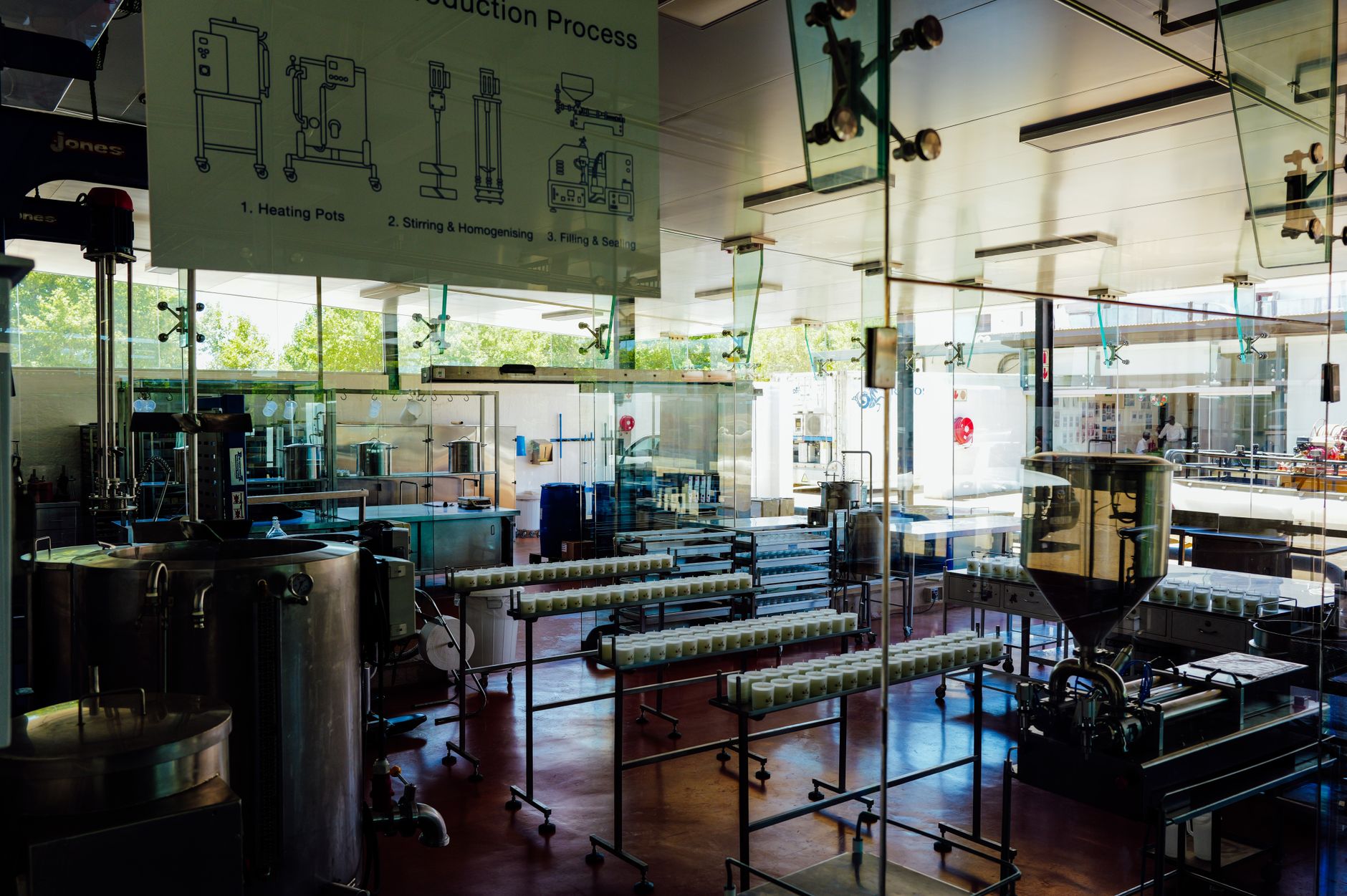
Manual floor cleaning pulled hard on the labor budget
A food manufacturer running eight autonomous floor-cleaning robots faced a floor care load that never really let up. Production floors, warehouse aisles and high-traffic corridors all needed frequent attention, and that work fell to manual crews.
Before the change, manual cleaning consumed 18% of the labor budget, as reported by the supplier. A share that size leaves little room to absorb a short-staffed week.
One fleet of eight robots across three kinds of space
The fleet covered production floors, warehouse aisles and high-traffic corridors, so the same robots worked across very different surfaces and traffic patterns. Running one fleet across all three keeps floor care consistent instead of split among separate tools.
Scheduling and upkeep for the fleet run through a computerized maintenance management system. Keeping every unit in one maintenance system gives the plant a single place to check what each robot has done and what it needs next.
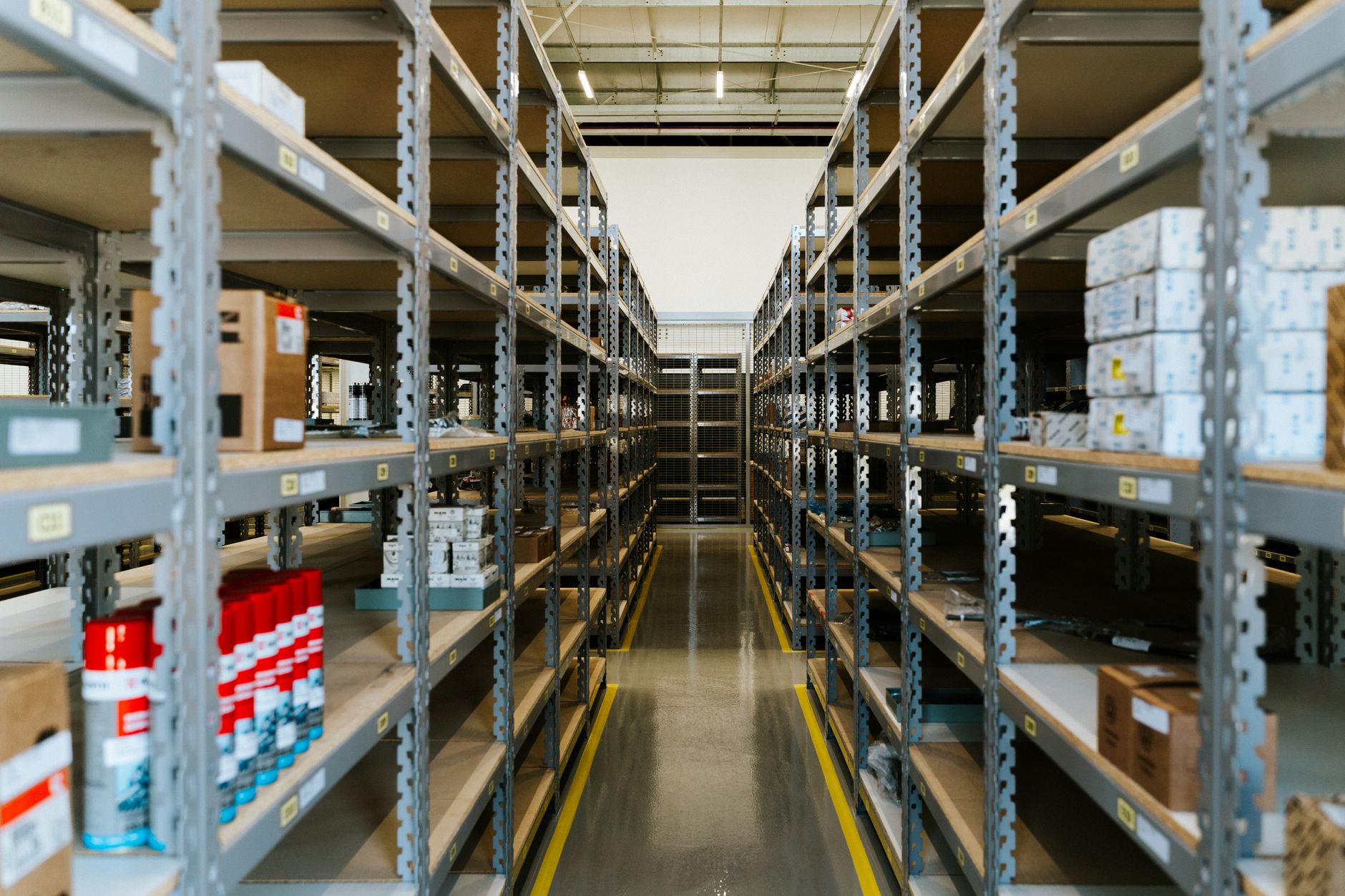
Labor hours down 62%, audit scores up 34%
The supplier reported a 62% reduction in manual cleaning labor hours after the fleet took over floor work. The measure is hours, not headcount, so the figure describes how much crew time moved off routine floor care.
Hygiene audit scores rose 34%, as reported. Fewer manual hours paired with better audit scores is the combination most food plants want from a cleaning program, and this deployment reports both.
Because manual cleaning had taken 18% of the labor budget before the change, a 62% drop in those hours touches a meaningful slice of the plant's cost base.
What this means for a plant weighing robot lease options
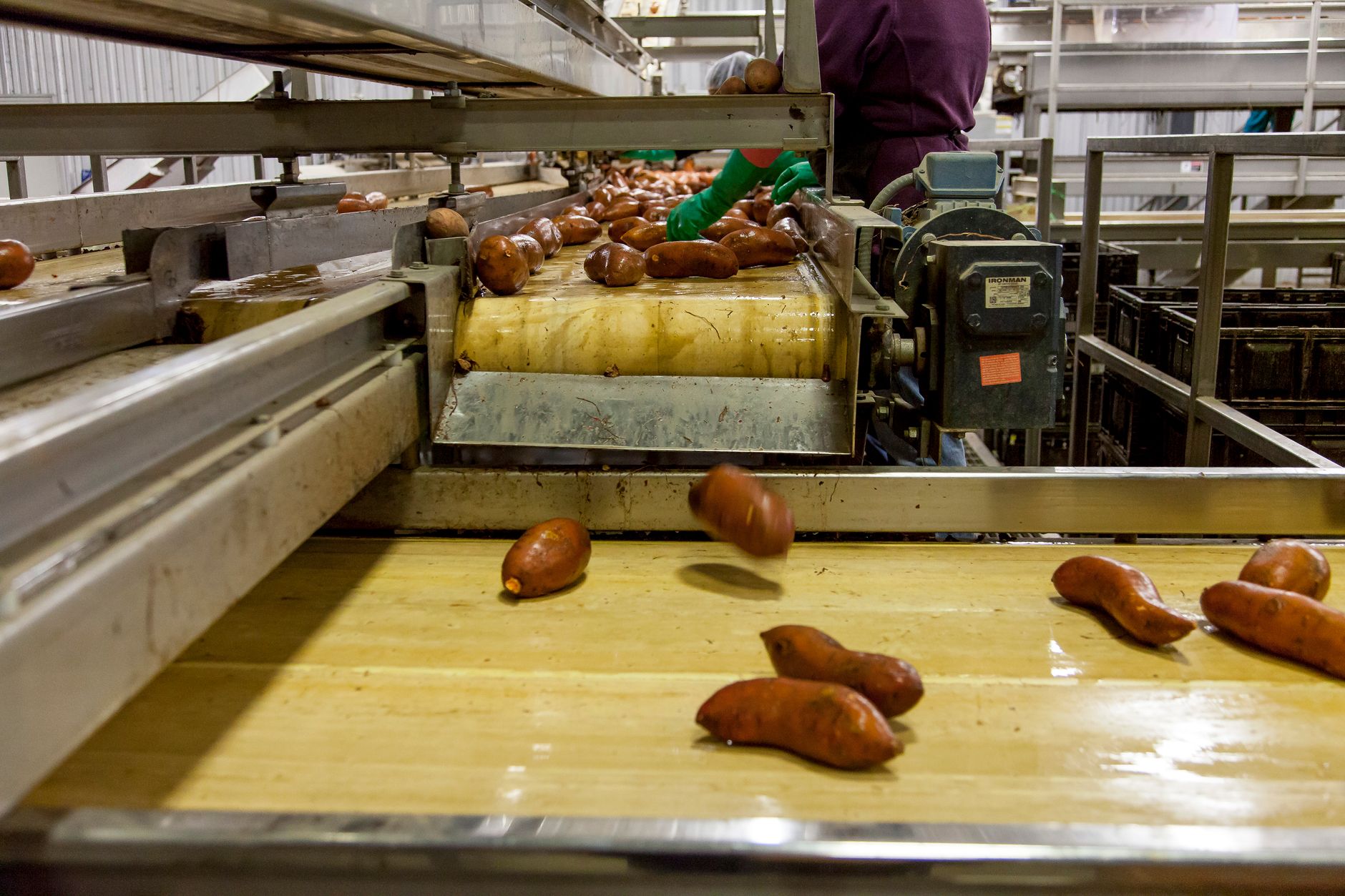
This is a real deployment we analyze, not a Service Robot Co. client, but the planning questions it raises are the ones we work through with buyers. Floor coverage, traffic flow and the upkeep schedule decide whether a fleet earns its place.
Service Robot Co. is a full-service, OEM-neutral commercial robot integrator for US businesses. We select robots across manufacturers, then lease, deploy, integrate, train and service every unit through a nationwide US engineer network, so one vendor covers the whole lifecycle of robot deployment and integration.
Our leases run 3 years with one fixed robot lease payment, quoted after a site assessment that maps the floor before any number is offered. A plant can start with a single area, learn how the robots behave on its real traffic, and then widen the footprint. That phased approach suits a facility of this size, whether the first step is a floor scrubber lease on one zone or a wider commercial cleaning robot leasing plan.
Frequently asked questions
Want a robot working for you?
Tell us the job and the site. We will recommend the robot, quote the lease, and keep it serviced.