a high-speed packaged-food production facility in the United States
How a U.S. Food Packer Hit 80 Bags per Minute and Freed 2-3 Operators
A high-speed packaged-food plant used inverted vision-guided case packers to reach 80 bags per minute without drops and redeploy two to three workers each shift.
- 80/min
- Bag pack rate
- 2-3
- Ops redeployed
- 50/min
- Original target
- 2
- Inverted arms
Based on a documented real-world deployment. Figures are from public reporting; the organization is not named.
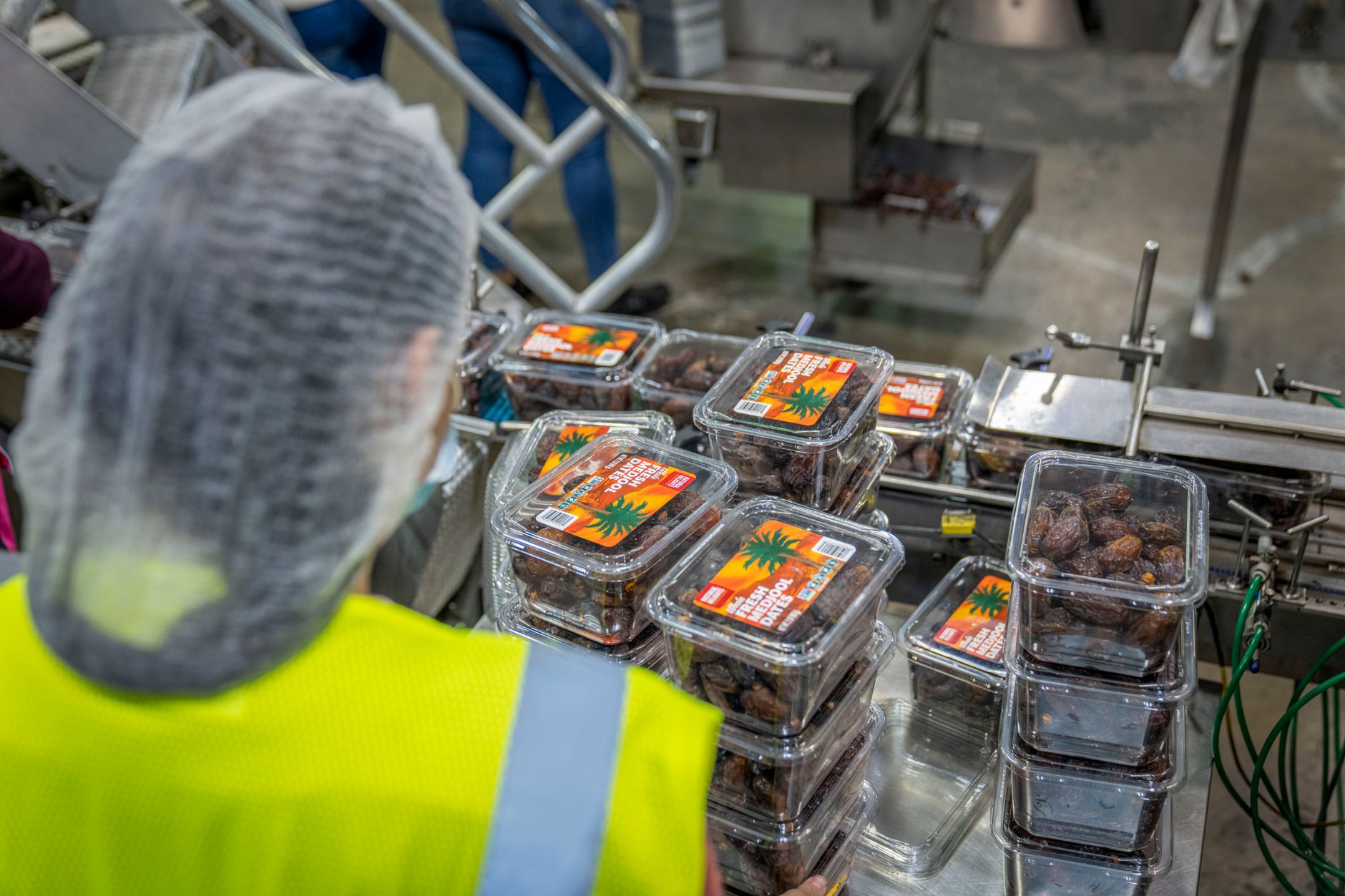
Throughput without dropped bags
A high-speed packaged-food production facility in the United States needed more case packing throughput without rebuilding the whole line. Staffing swings had left inconsistent picks, dropped product, and pressure to hit rate when bags arrived faster than hands could load boxes.
Leadership set an initial automation target of fifty bags per minute at eighty-five percent overall equipment effectiveness while still handling different box sizes and product types. The cell also had to stay compact and mobile as SKUs changed.
Inverted arms with conveyor vision
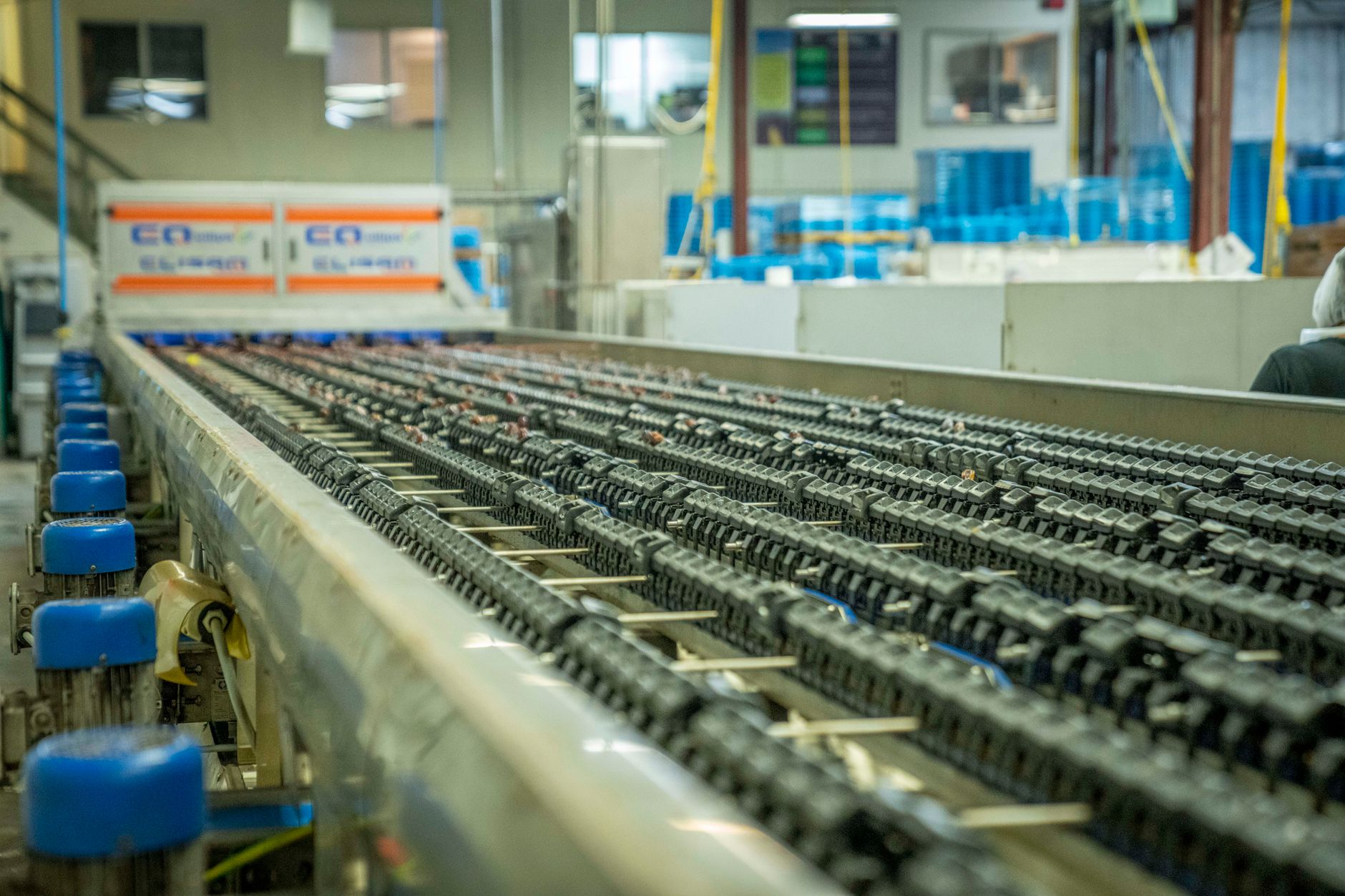
An integration partner built a mobile cell with two wall-mounted small-payload arms and vacuum grippers picking from an upstream bagger conveyor. A two-dimensional vision system captures each bag, pairs the image with conveyor tracking data, and sends pick sequences to the first arm while operators feed empty cases on a lower conveyor.
Both arms drop bags into cases below without fighting floor space. Through-arm routing for vision cables and air lines kept the footprint tight. Training covered changeovers between box sizes and product types after go live.
- Track bags on the infeed conveyor with vision plus encoder data
- Pick with vacuum grippers from inverted wall mounts
- Load cases on a secondary conveyor under the arms
- Keep the cell mobile for SKU and box-size changes
Measured packing outcomes
Published results report the robots packing up to eighty bags per minute without drops, exceeding the fifty bag per minute throughput goal and overall equipment effectiveness targets set at the start.
The facility redeployed two to three employees each shift to higher-level roles better matched to their skills. The compact layout preserved flexibility when product types or case formats changed.
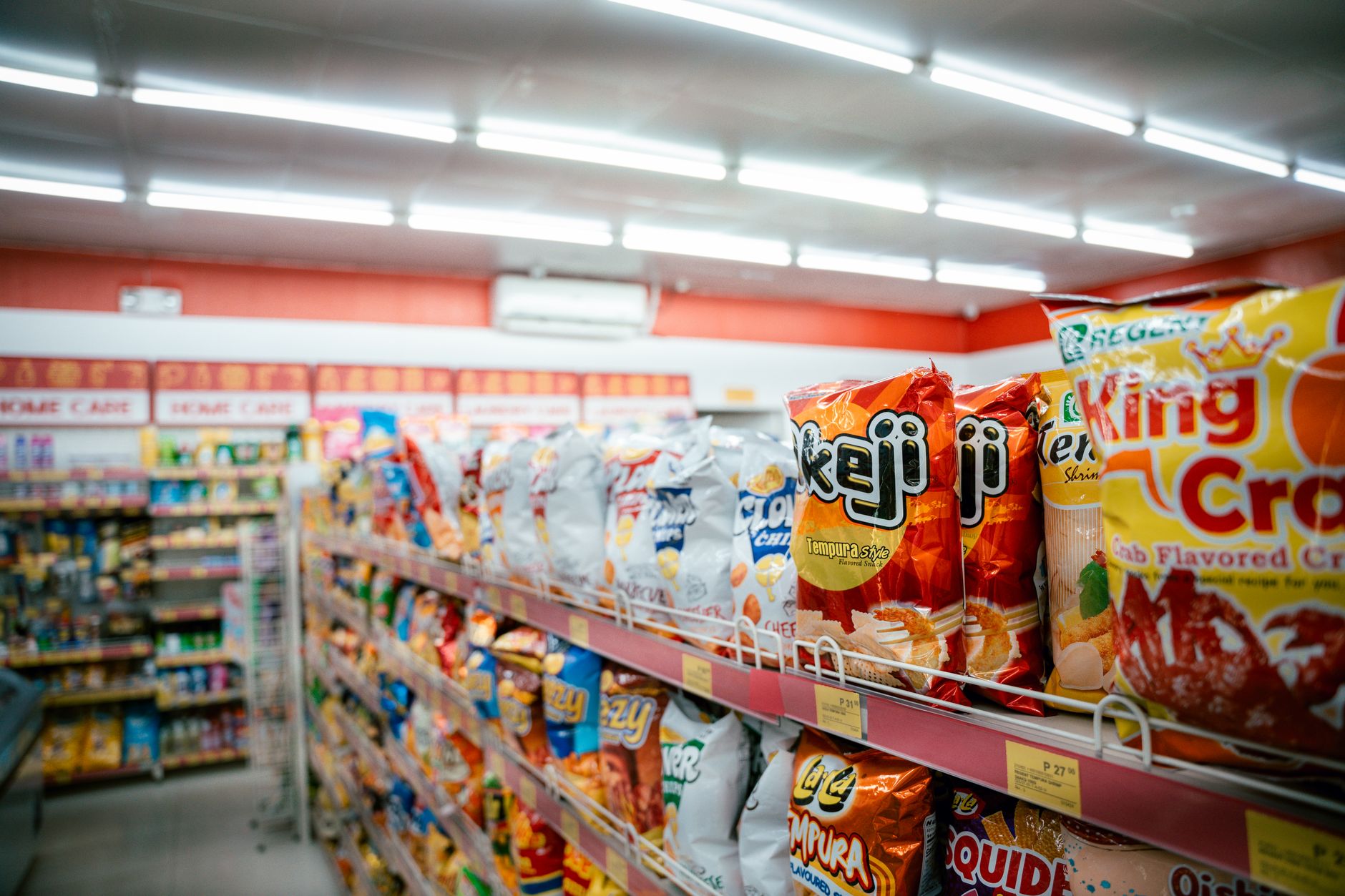
What food packers can borrow
End-of-line case packing is a common bottleneck when labor is scarce and bag weights vary. Inverted vision-guided cells can add rate without a full line redesign if the integrator sizes reach and cycle time honestly.
Service Robot Co. did not deploy this packing cell. We are a vendor neutral integrator for US plants that need palletizing robot rental paths, end of line automation, phased deployment with no shutdown, and nationwide service on one contract. Robot leasing for business and commercial robot demo pilots can mirror one SKU before you scale.