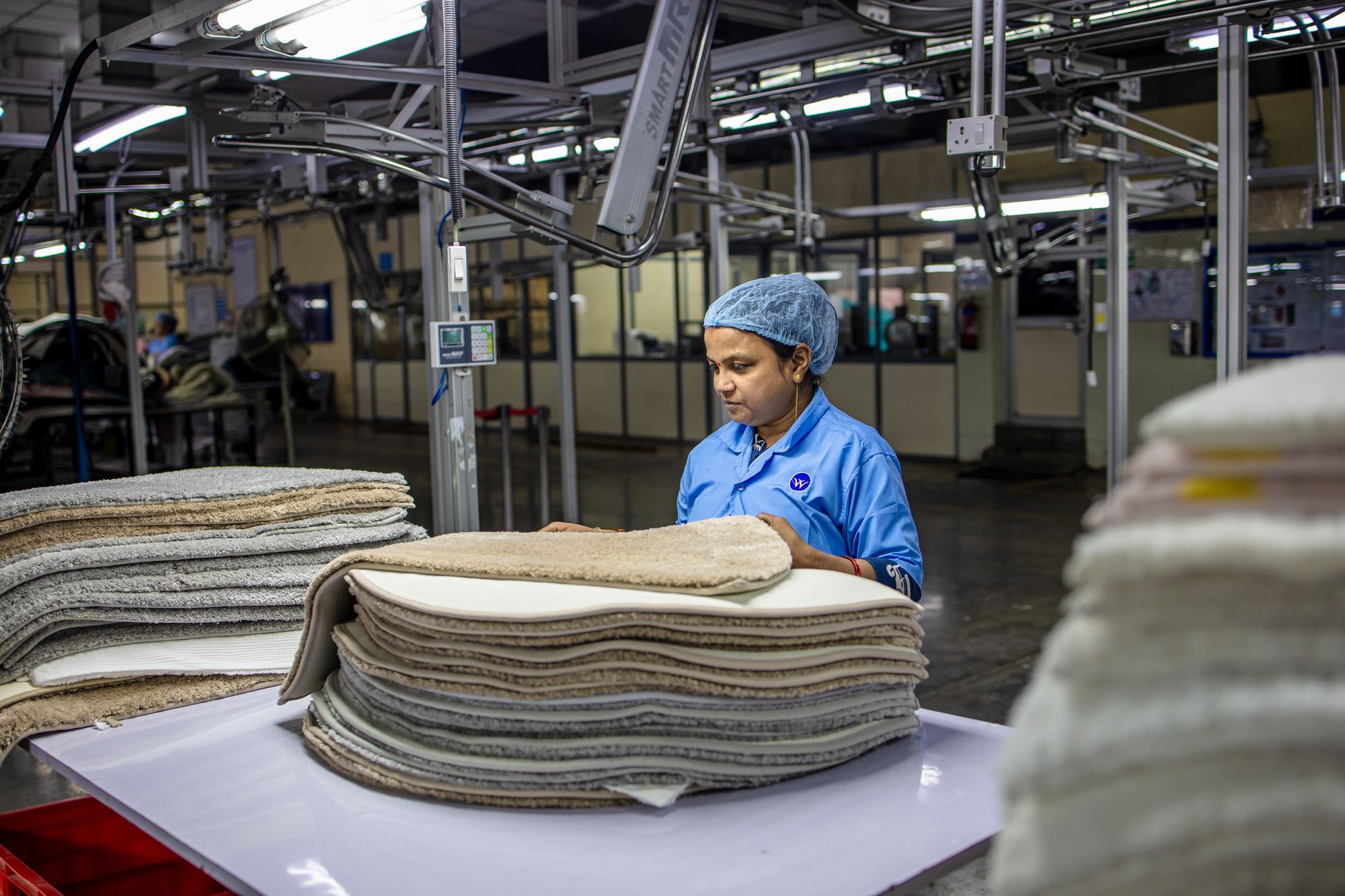
a high-volume Andean food-ingredients plant
How an Andean Food Plant Eliminated 10,780 Daily Lifts With One Cobot Palletizer
A high-volume Andean food-ingredients plant cut 10,780 repetitive palletizing motions to zero, reassigning two workers while running 32 SKUs at 10 cycles per minute.
- 10,780
- Daily motions removed
- 32 SKUs
- Patterns in one cell
- 10 cpm
- Stable palletizing rate
- 2 staff
- Reassigned roles
Based on a documented real-world deployment. Figures are from public reporting; the organization is not named.
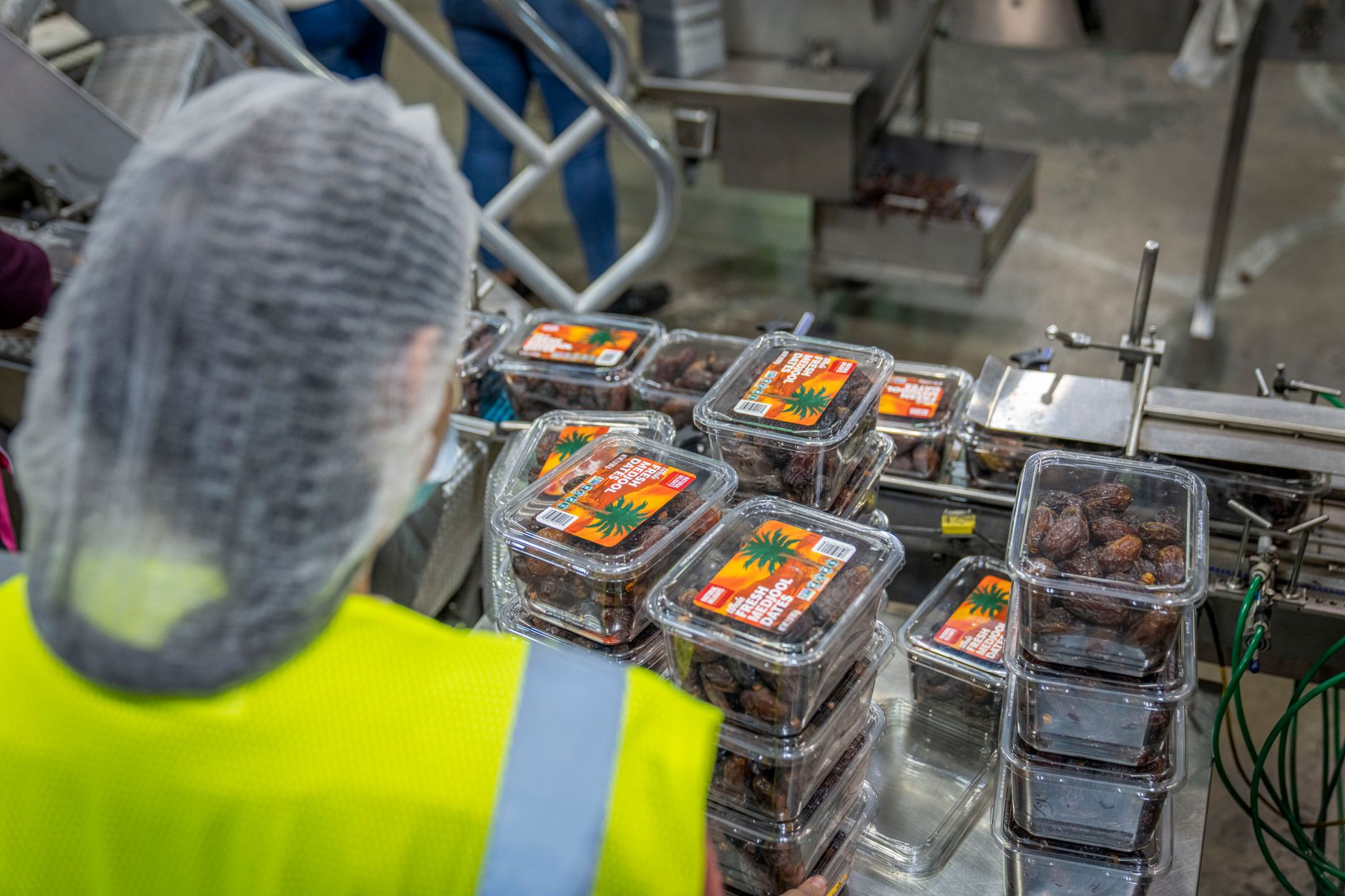
Doypack lines demanded endless lifts and twists
A high-volume Andean food-ingredients plant packed sauces and condiments on two doypack lines where operators manually lifted, twisted, and stacked cases onto pallets. Ergonomic reviews flagged shoulder, elbow, and hip strain from the motion volume alone.
On one line, operators logged about 5,775 repetitive movements in 24 hours; on the second, about 5,005. Leadership needed end of line robotics that could follow 32 stock keeping units with changing box formats without cutting headcount goals or slowing customer response.
- Manual pallet builds on high volume doypack output
- Thousands of lifts and twists per line each day
- Mixed box sizes and pallet patterns across SKUs
- Safety priority without eliminating valued operators
One collaborative palletizer serving both lines
An integration partner installed a lean collaborative palletizing cell engineered to synchronize two production lines into one end of line station. The system was programmed for 32 SKUs, loads up to 12.5 kg, and proximity sensing that slows the arm when someone enters the work envelope.
Engineers phased commissioning so doypack machines and the palletizer shared cycle timing at about 10 cycles per minute. Operators trained on recovery, SKU changeovers, and monitoring while keeping humans in higher value roles the plant already planned to staff.
- Map box dimensions, weight, and orientation per SKU
- Feed two doypack lines into one palletizing cell
- Tune cycle speed to packaging machine output
- Use collaborative speed reduction near people
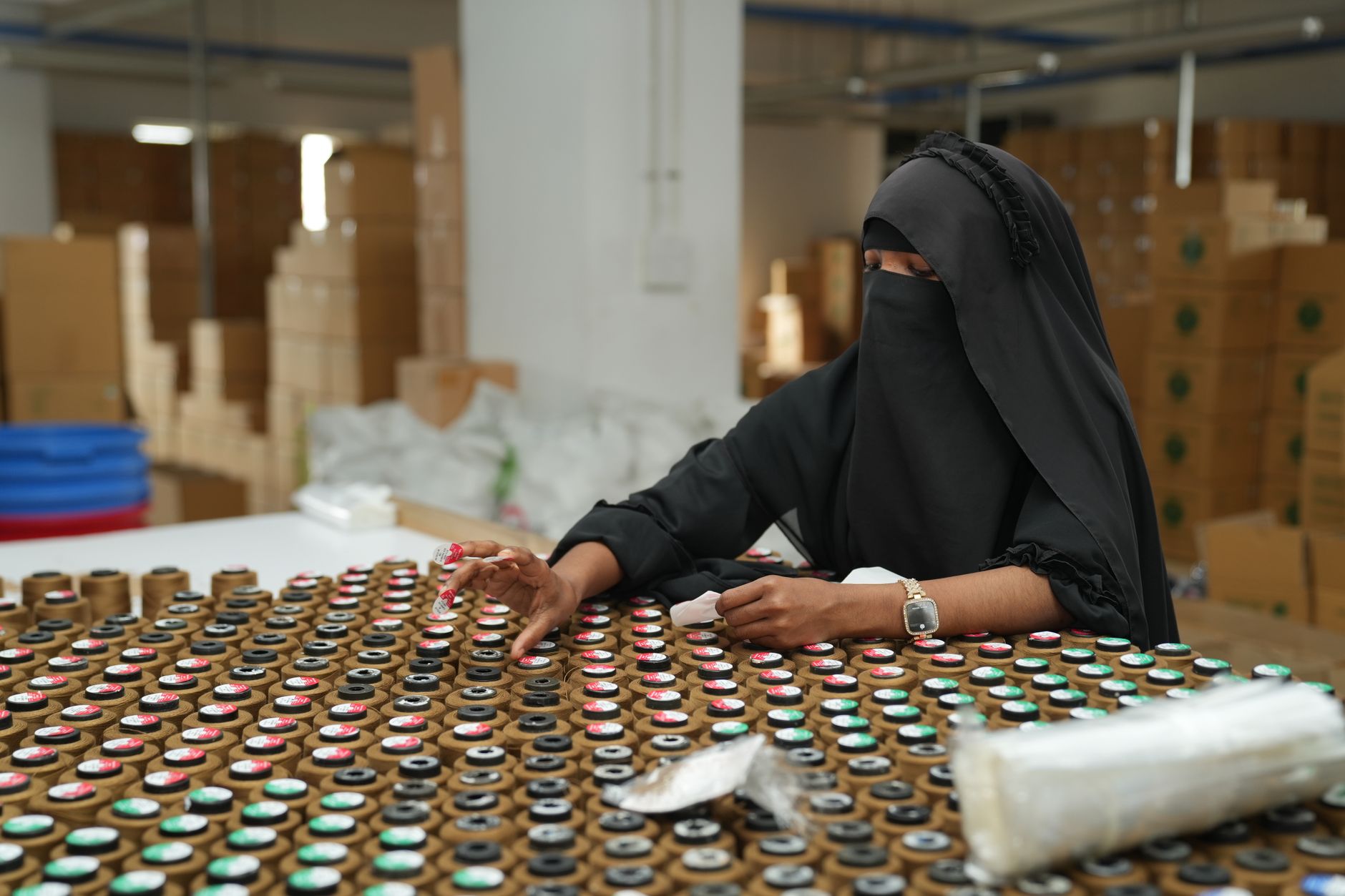
Zero daily palletizing motions and two roles redeployed
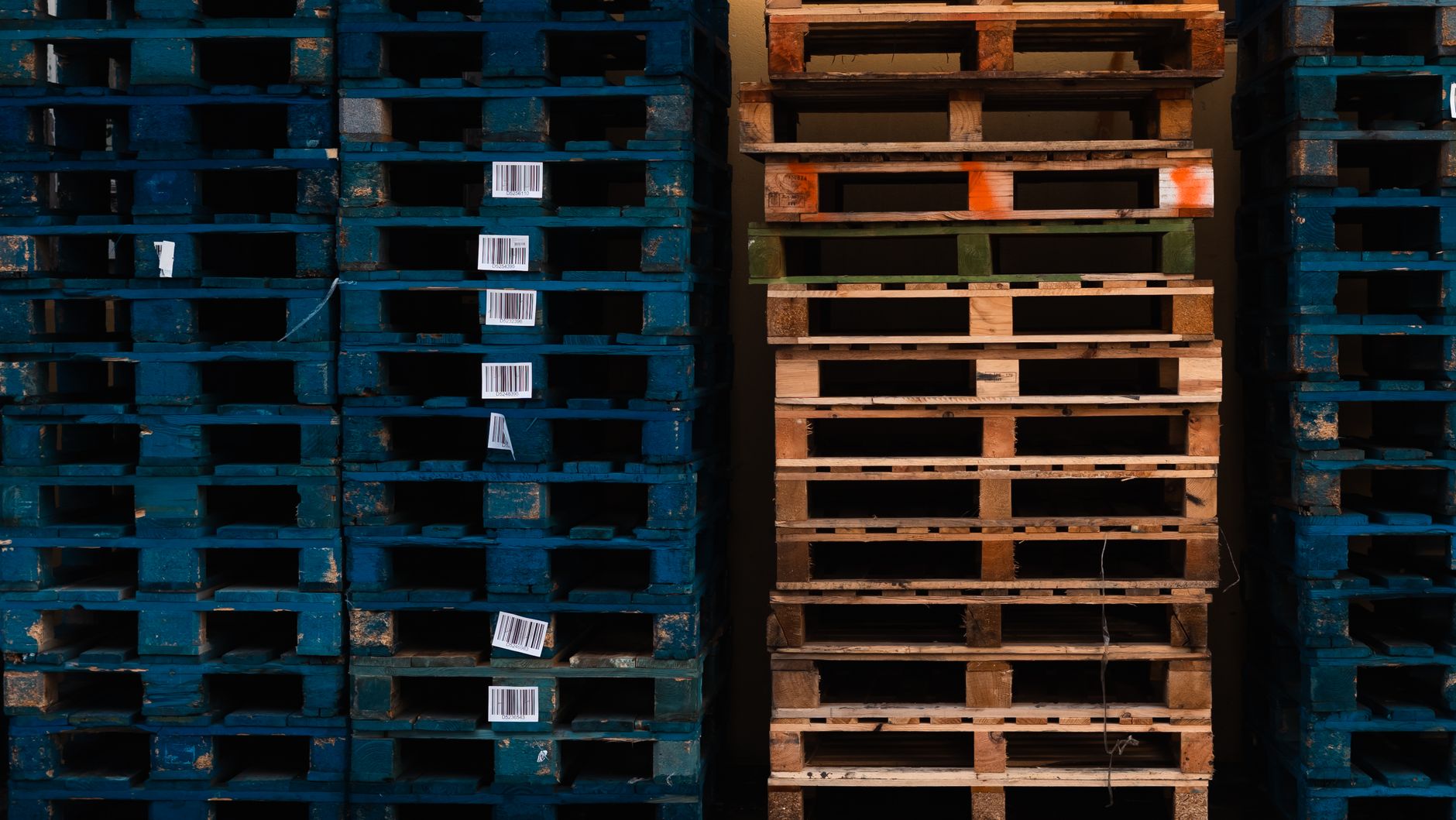
After startup, the repetitive palletizing movements that had totaled about 10,780 per day across both lines fell to zero. Plant leadership reported operators finishing shifts less tired, with fatigue and absenteeism pressure easing on the old manual task.
Two employees previously tied to pallet builds moved to areas of greater need, letting the site run more equipment concurrently without a layoff focus. The cell held about 10 cycles per minute across the SKU mix and, in the documented period, recorded no equipment failures since installation.
Customer responsiveness improved because talent shifted from the most strenuous station to bottlenecks that actually limited throughput.
What food manufacturers should take from this pattern
This story is a documented real-world example, not a Service Robot Co. client claim. It shows why condiment and sauce plants look at cobot rental or palletizing robot lease options when doypack volume turns palletizing into an injury risk.
Service Robot Co. selects collaborative palletizers and conventional arms across vendors, then handles robot deployment and integration, monthly payment programs, and nationwide service. For plants weighing manufacturing plant robot rental against capital purchase, the lesson is to count repetitive motions first, then pilot one synchronized cell before you expand SKUs.