
a food and beverage manufacturing plant that paired humanoid patrols with predictive maintenance
Humanoid Patrols and Predictive Maintenance at a Food Plant: Vendor Quoted Results
A food and beverage plant paired humanoid patrols with predictive maintenance. See the vendor quoted downtime and payback figures and where humanoids fit.
Deployment at a glance
- 74%
- Drop in unplanned downtime within six months, vendor quoted
- 11 months
- Payback quoted by the vendor from an anonymous testimonial
- 50%+
- Outage cut the vendor claims for this model
Based on a documented real-world deployment. Figures are from public reporting; the organization is not named.
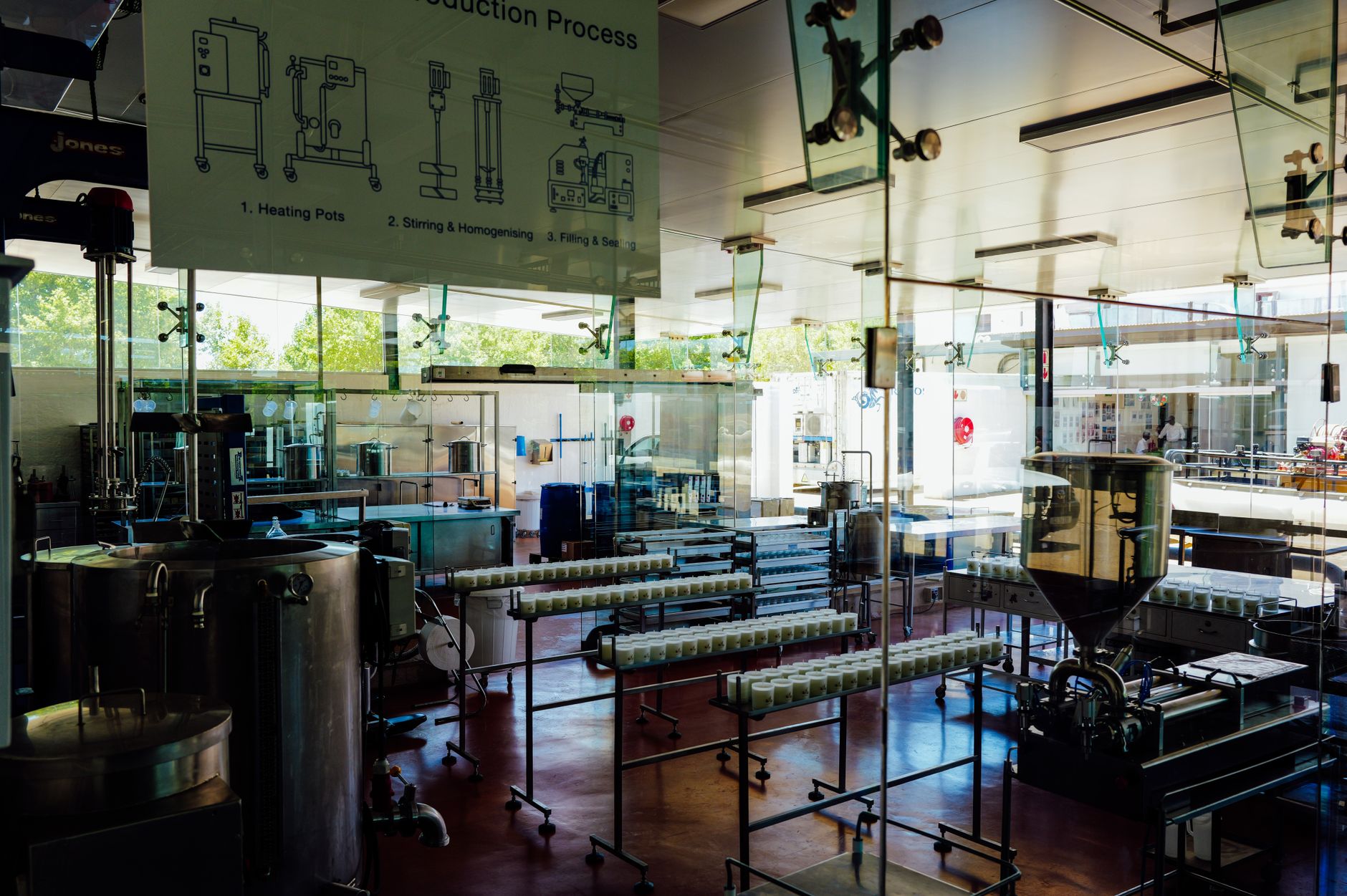
Unplanned stops on a food and beverage line
On a food and beverage line, an unplanned stop is rarely a single expense. A stalled conveyor or a faulted cooker leaves product in process, forces a restart and pulls maintenance crews away from planned work. The cost repeats shift after shift, which is why plant teams treat downtime as a standing line item.
Changeover zones, cold storage and sanitation rounds are where faults tend to hide until a machine quits. Vendors describe these areas as suited to humanoid patrols. A patrol sees the floor, while maintenance alone often reacts only after an alarm, so the real question was how to connect the two.
- Changeover zones, where equipment is reset between product runs
- Cold storage areas, where equipment faults are harder to spot quickly
- Sanitation rounds, where wear and leaks are easiest to miss
Patrols paired with a predictive maintenance routine
The deployment combined humanoid patrol robots with a predictive maintenance routine. The pairing is the point: patrol observations are meant to feed the maintenance routine rather than sit apart in a separate log. The vendor describes humanoids of this kind as suited to changeover zones, cold storage and sanitation verification, and not to direct food contact. That boundary shaped where the robots worked and what they were asked to check.
A sound rollout for a pairing like this usually follows a predictable sequence, from route mapping to a measured baseline. The steps below describe that general pattern rather than the schedule of any one site.
- Map patrol routes through changeover, cold storage and sanitation zones
- Keep humanoids clear of direct food contact and put that boundary in writing
- Record unplanned stops for a baseline period before the first patrol
- Route each patrol finding into the maintenance queue with a named lead
- Review stop data at go live and at set intervals afterward
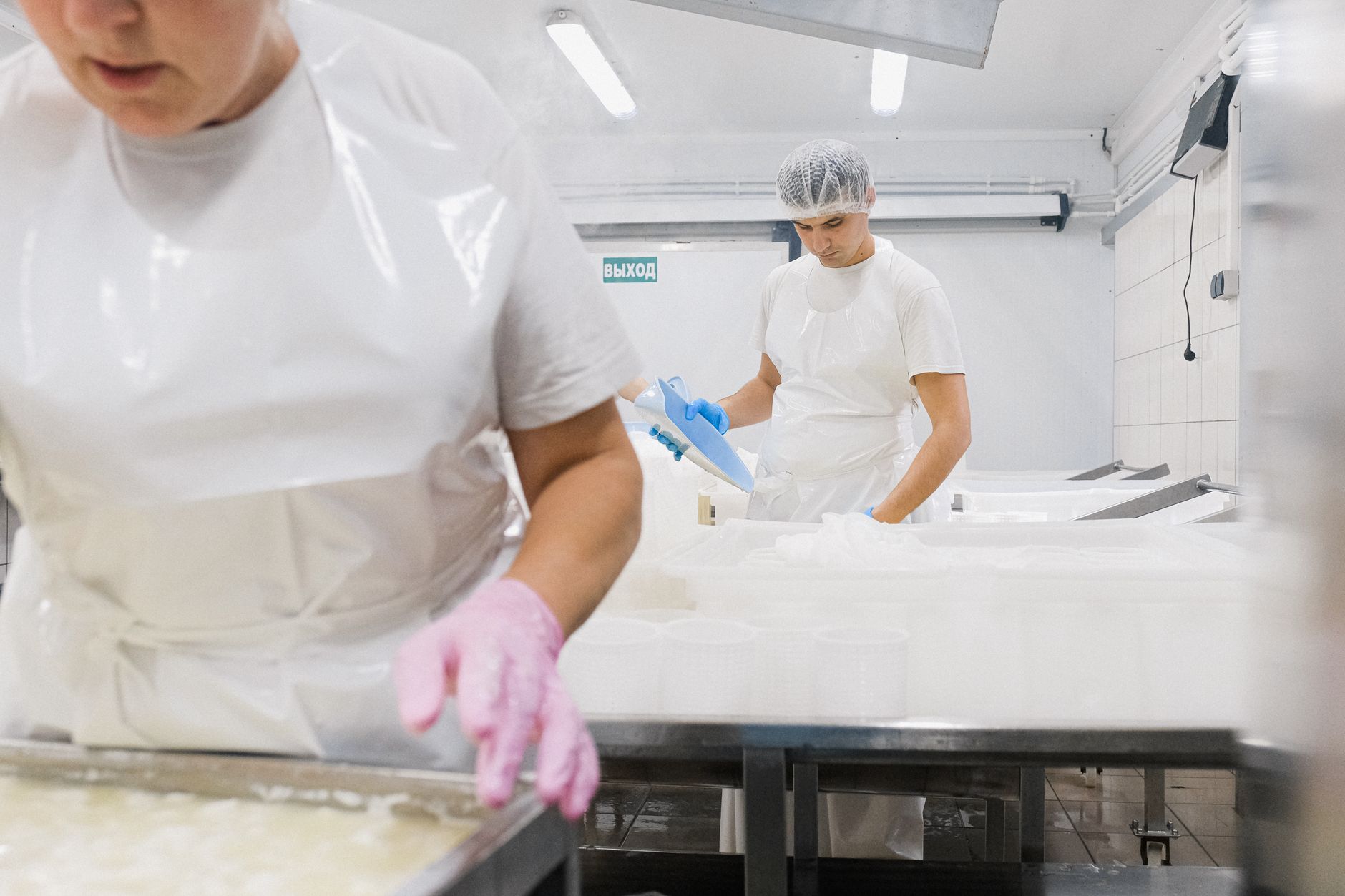
Reading the downtime and payback figures
The headline result comes from an anonymous testimonial quoted by the vendor. It reports a 74% drop in unplanned downtime within six months and an 11 month payback. Both figures are the vendor's account, so they are a starting question for a site review rather than a settled answer.
The vendor's broader material describes humanoid predictive maintenance patrols with payback in 12 to 18 months and cuts of 50% or more in unplanned outages. Across its modeled cases the median payback is 14 months, with a range of 11 to 18 months. These are vendor reported and vendor modeled figures.
Other numbers temper that picture. In the vendor's more cautious changeover only scenario, payback stretches to 22 to 30 years, and maintenance costs are modeled to rise 15 to 25% a year. A snack plant example reported a 12% labor reduction, below its projection. For predictive maintenance on monitored food and beverage equipment, the vendor reports 30 to 50% less unplanned downtime, using fixed sensors rather than patrols.
Plants weighing this model should ask which equipment was watched, how long the baseline ran and how many stops the patrols actually caught.
What this means for a plant weighing robot patrols
The lesson here is about scope. Value depends on which zones the patrols cover and whether the maintenance side acts on what they see. Service Robot Co. is a full service, vendor neutral robot integrator for US businesses. We select robots across manufacturers, then handle commercial robot leasing, robot deployment and integration, training and service for every unit through a nationwide US engineer network, so one partner answers for the whole lifecycle.
We offer a three year lease with one fixed robot lease payment quoted after a site assessment, and lease financing programs are built around that single figure. A plant can start with one leased unit in a single zone as a robot pilot program, then widen coverage once go live support confirms the stop data. Model the cost of robot downtime alongside the lease before expanding. The plant in this study is an example we analyze, not a client.
Frequently asked questions
Want a robot working for you?
Tell us the job and the site. We will recommend the robot, quote the lease, and keep it serviced.