a large foodservice distribution center moving refrigerated and dry goods for restaurant and institutional customers
How a Foodservice DC Cut Daily Floor Scrubbing From Four Hours to 45 Minutes
See how a foodservice DC cut manual scrubbing from up to four hours to 45 minutes with an autonomous scrubber, logging 110+ runtime hours and 2.4M+ sq ft.
- 110+
- Autonomous runtime hours
- 2.4M+
- Square feet scrubbed
- 30-45m
- Routine pre-shift scrub
- 2-4 hrs
- Manual scrub before
Based on a documented real-world deployment. Figures are from public reporting; the organization is not named.
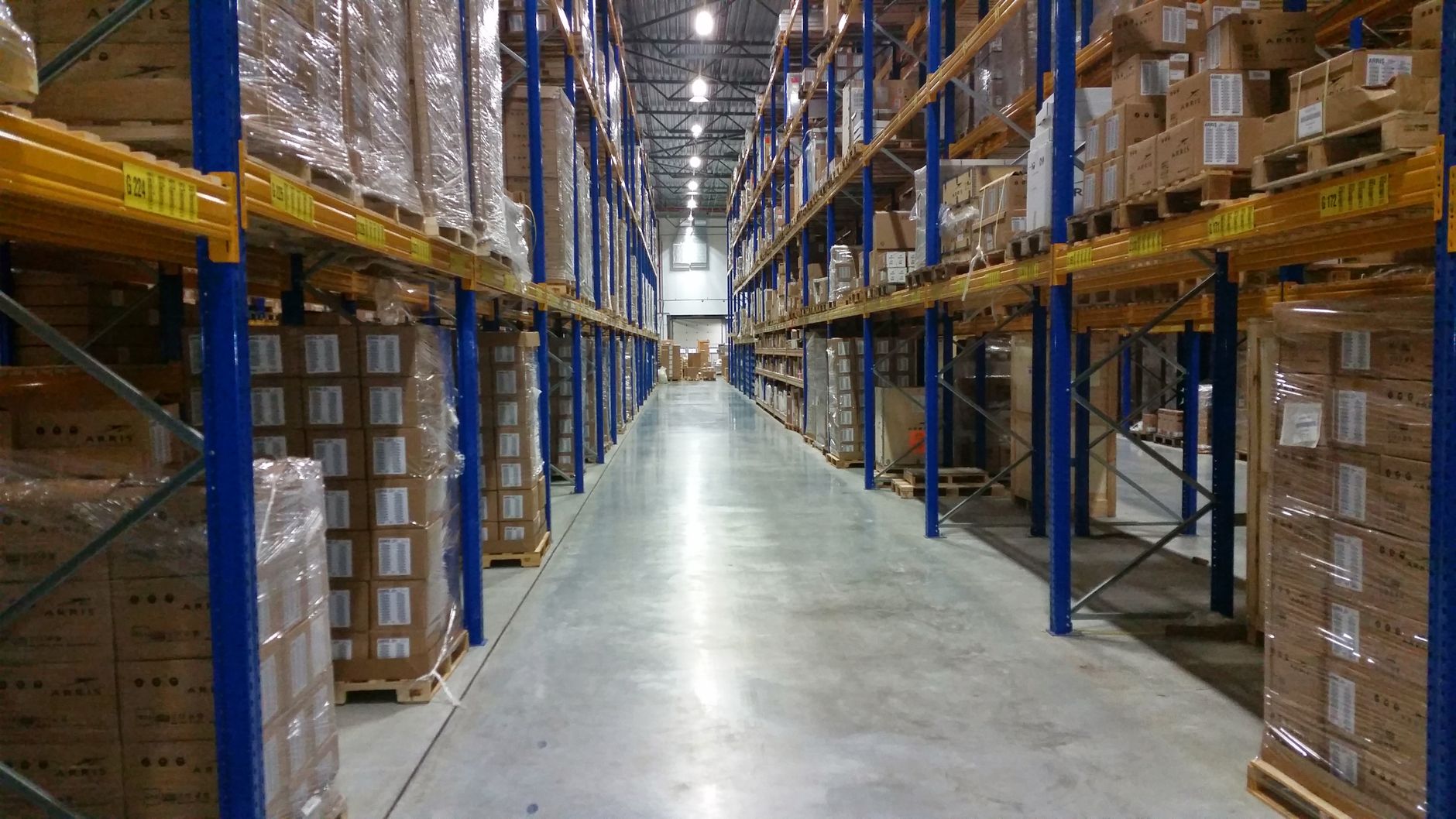
Audit-ready floors with a thin maintenance bench
High-volume food distribution runs on cold-chain discipline. Floors in refrigerated and dry storage take constant abuse from pallets, forklifts, and moisture, and auditors expect proof that cleaning keeps pace with throughput.
Before automation, skilled maintenance technicians spent two to four hours each day riding a manual scrubber. That window pulled them off preventive work on conveyors, refrigeration, and packaging lines at the exact moment those systems could not afford delay.
Leadership needed cleaning that was repeatable, reportable, and fast enough to finish before the building filled with pickers and loaders. They also wanted fewer tire cuts and debris issues that stem from grit left on busy aisles.
- Daily manual scrubbing consumed two to four operator hours
- Technicians were diverted from high-value equipment upkeep
- Cold and dry zones both required consistent, verifiable floor care
One industrial autonomous scrubber on a fixed pre-shift cadence
The site selected a large-format autonomous floor scrubber sized for wide aisles and heavy soil loads typical of protein and perishable handling areas. Deployment in 2024 focused on predictable runs rather than ad hoc cleaning.
Routine passes now start before employees arrive, finishing in about 30 to 45 minutes while the building is still quiet. Deeper scrub cycles run closer to 90 minutes when soils build after busy weeks.
Operators learned to stage water and detergent, verify route coverage, and review autonomy logs with supervisors. That rhythm turned floor care into a managed process instead of a daily negotiation for technician time.
- Mapped primary travel paths in refrigerated and dry storage
- Scheduled autonomous routine scrubs ahead of the morning rush
- Used run reports to confirm coverage and adjust routes
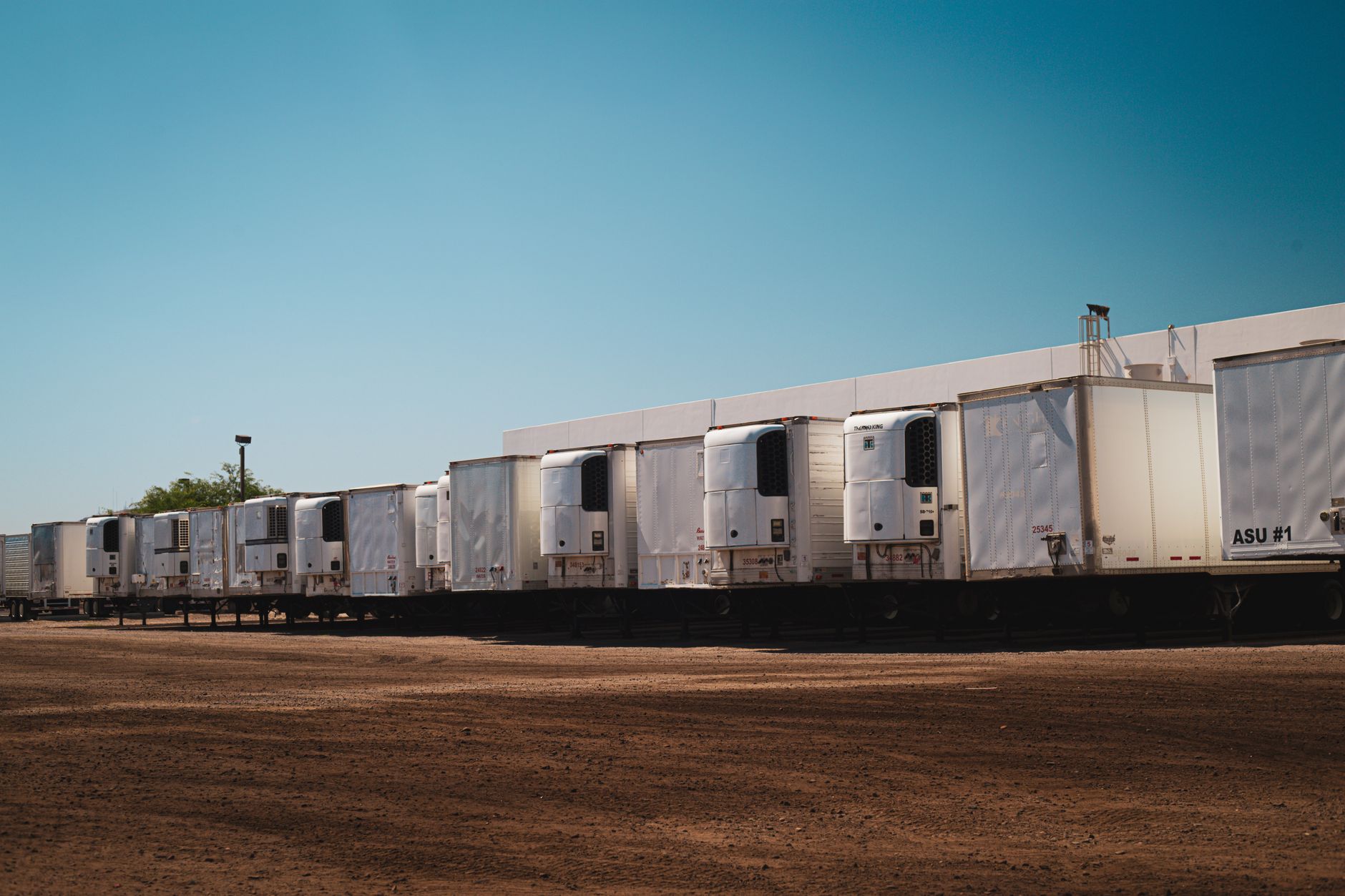
Measured runtime, coverage, and reclaimed technician hours
Since implementation, the scrubber has logged more than 110 hours of autonomous runtime and cleaned more than 2.4 million square feet without tying a technician to the operator seat for the full cycle.
Tasks that once required two to four hours of manual scrubbing now complete in roughly 30 to 45 minutes for standard pre-shift cleaning, with longer deep-clean missions around 90 minutes when needed.
The maintenance team reports better floor appearance, lower cleaning supply use, less wear on manual equipment, and fewer debris-related tire issues. Those gains show up as more time on pumps, doors, and line repairs instead of repetitive scrubbing.
What this pattern means for operators comparing robot rental monthly options
This deployment is a documented industry example, not a Service Robot Co. customer story. It still shows why food distribution leaders evaluate commercial cleaning robot rental and warehouse cleaning robot rental before they add night staff.
Service Robot Co. is a vendor neutral robot integrator. We match autonomous scrubbers to aisle widths, drainage, and cold-room constraints, then handle financing, site mapping, training, and nationwide service under one contract. Month to month robot lease structures and robot as a service plans let you pilot overnight cleaning with maintenance included before you commit capital.
If your technicians are losing half a shift to floors, a phased autonomous scrubber pilot can return those hours to the work that actually keeps orders moving.