
a one-million-square-foot footwear and apparel warehouse
Warehouse AMRs Double Associate Productivity
See how goods-to-person AMRs doubled associate productivity and cut walking 82% inside a one-million-square-foot footwear and apparel warehouse.
- 100%
- productivity increase
- 82%
- less associate walking
- 88
- goods-to-person AMRs
- 2,000
- additional racks
Based on a documented real-world deployment. Figures are from public reporting; the organization is not named.
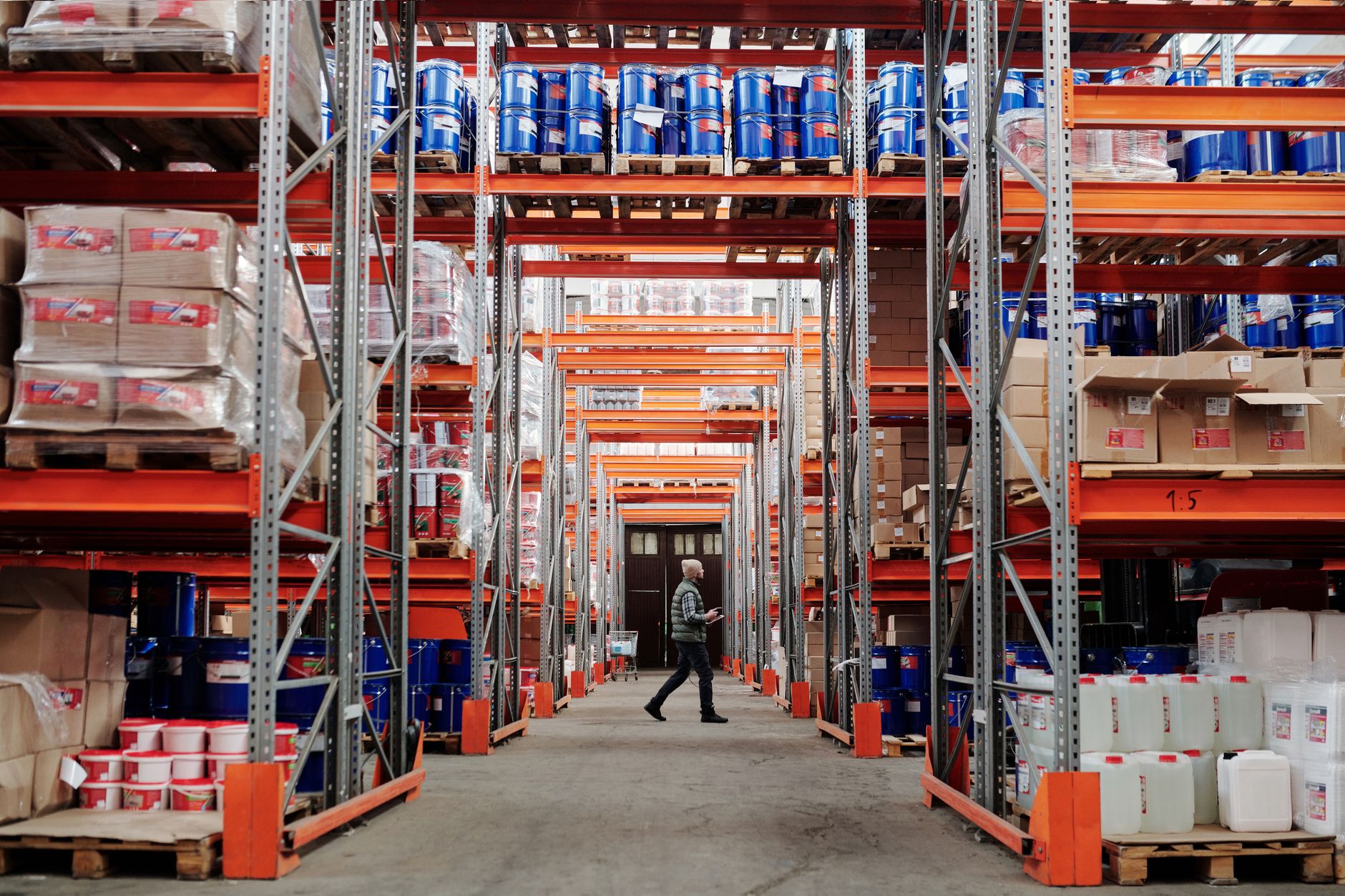
Growth had outpaced the walking model
Rising demand was pressing against storage capacity and warehouse throughput. Inside a one-million-square-foot footwear and apparel warehouse, conventional picking also sent associates across immense distances to retrieve products.
That travel compounded the physical burden of repetitive manual handling. At the same time, labor shortages made it harder to answer demand spikes by simply adding people to an already taxing process.
- Expand usable storage without enlarging the building
- Raise picking productivity amid labor constraints
- Reduce the walking and repetitive handling assigned to associates
- Create enough operating flexibility to absorb demand surges
Goods came to the picker
The warehouse adopted a shelf-to-person form of goods-to-person automation. A fleet of 88 AMRs moved inventory racks through the facility, replacing much of the travel embedded in manual picking.
Fleet activity, racking, and existing warehouse processes were connected through the warehouse management system. The deployment also added 2,000 racks, pairing mobile automation with a denser storage layout rather than treating the robots as an isolated equipment purchase.
The grounding account documents the installed configuration, but it does not disclose a phased rollout schedule, the vendor selection process, the training curriculum, or ongoing service terms. Those details cannot be reconstructed honestly from the published evidence.
- Deploy 88 AMRs for goods-to-person picking
- Connect robot and rack movement with warehouse management workflows
- Add 2,000 racks to increase storage capacity
- Redirect associates from long travel paths toward more valuable work
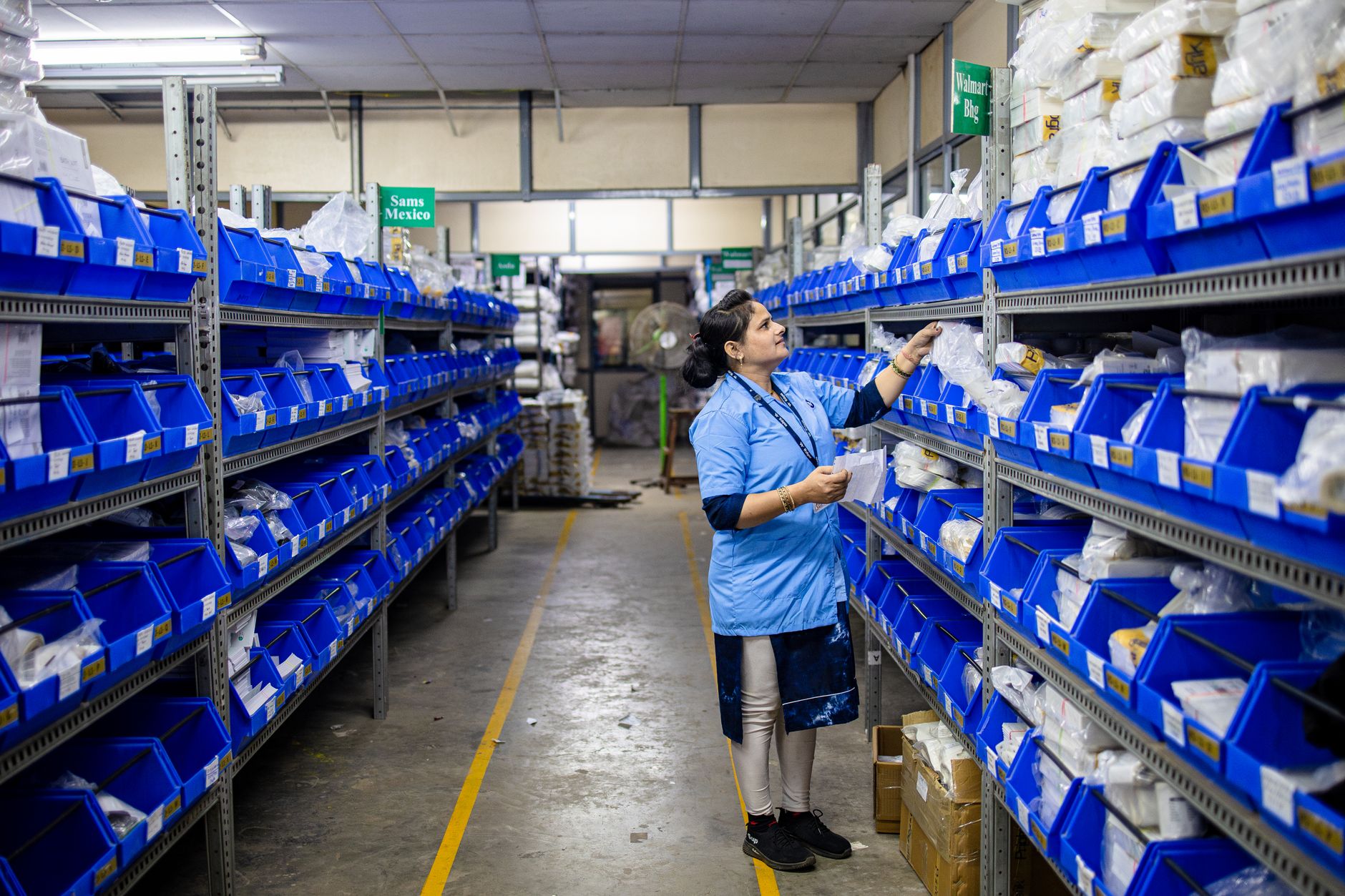
Productivity doubled and walking receded
Following implementation, the published case account reports a 100% increase in associate productivity. Put plainly, associates became twice as productive under the reported measure.
Associate walking fell by 82%, addressing one of the clearest sources of fatigue in the original workflow. The account also reports better picking efficiency and accuracy, fewer errors, and an ability to handle demand surges without operational bottlenecks, although it assigns no further figures to those gains.
The source does not publish the productivity baseline, measurement window, or calculation method. The 100% result is therefore a documented outcome from this warehouse, not a guaranteed forecast for another operation.
From a documented result to a workable deployment
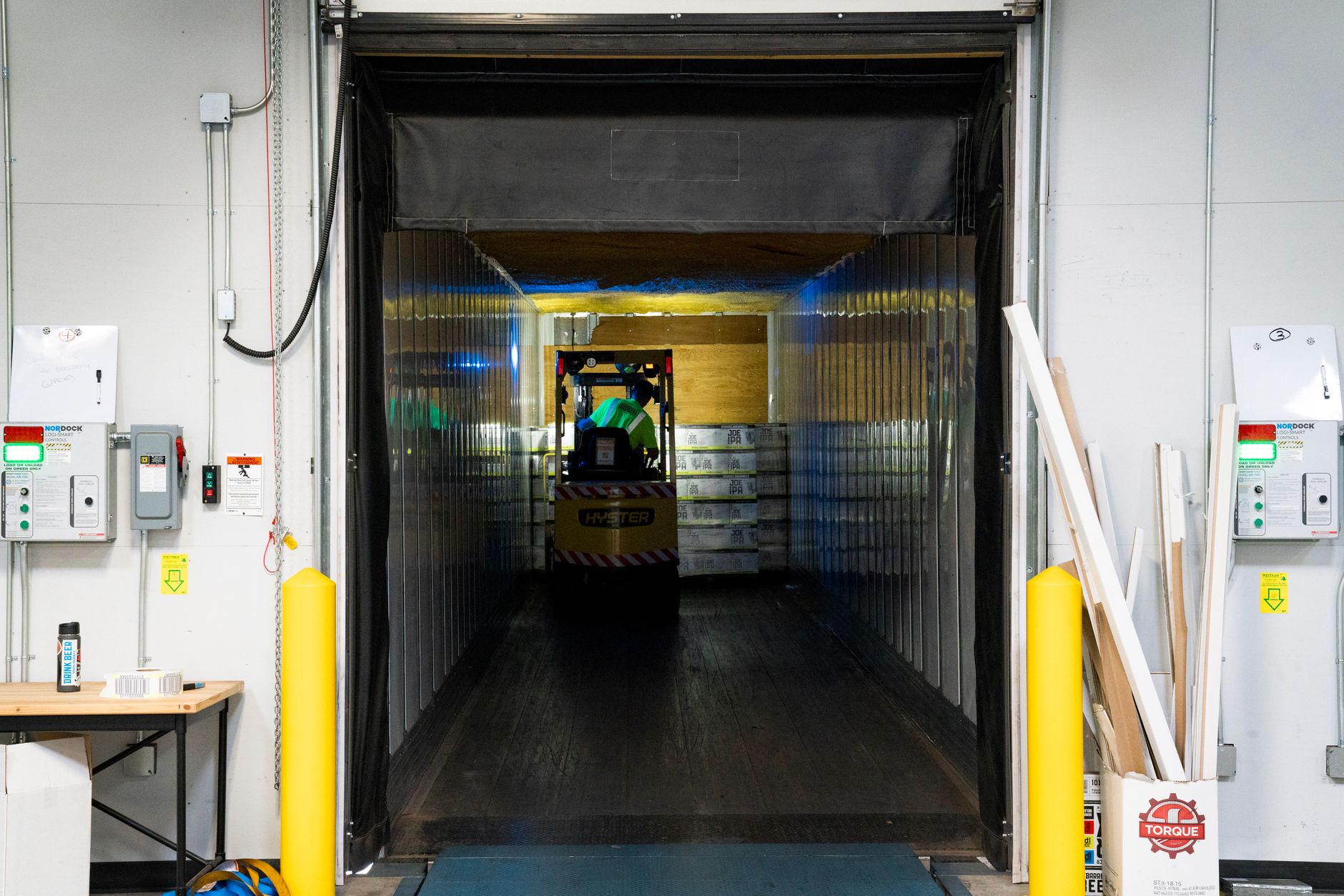
This example was not a Service Robot Co. project, and Service Robot Co. does not claim a role in its deployment. Its value is practical: it shows how travel reduction, storage design, fleet orchestration, and warehouse software can combine to improve the work performed by associates.
Service Robot Co. is a full-service, OEM-neutral commercial robot integrator for U.S. businesses. As a vendor neutral robot integrator and robot integrator for warehouses, the company evaluates equipment across manufacturers, then handles financing, robot deployment and integration, training, and service through a nationwide U.S. engineer network.
For a prospective AMR fleet deployment, that lifecycle can include site assessment mapping, a commercial robot pilot program, go live support, autonomous mobile robot leasing, monthly payment programs, and a robot maintenance service plan. These are Service Robot Co. capabilities, not services attributed to the warehouse in this study.