a cross-dock freight forwarding facility in Germany
How a Freight Hub Reclaimed 75 Daily Minutes With an Autonomous Scrubber
A 64,583-square-foot cross-dock hall cut scrubbing from up to 90 minutes to about 15 per day and returned 75 daily minutes to staff with autonomous floor care.
- 75 min
- daily time returned
- 15 min
- robot scrub time
- 90 min
- manual scrub peak
- 64,583 sf
- trans-shipment hall
Based on a documented real-world deployment. Figures are from public reporting; the organization is not named.
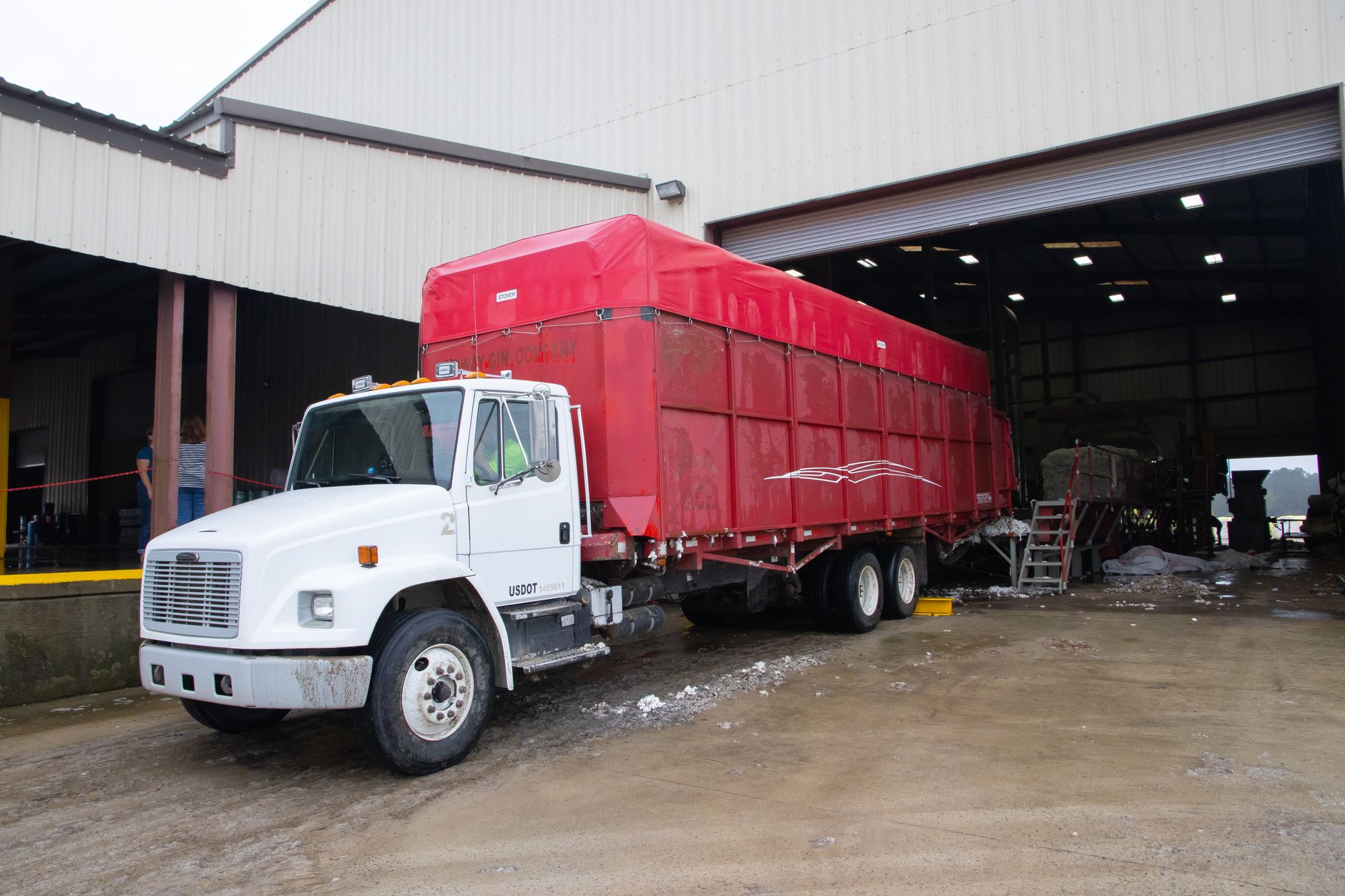
Dusty docks and a floor that never stayed clean
The operation runs a high-throughput cross-dock in Germany where trailers arrive around the clock. Tire dust and grit tracked in from the yard collect fast across a 64,583-square-foot trans-shipment hall.
Manual scrubbing could consume up to 90 minutes when crews tried to keep pace. Peak freight windows often pushed floor care to the bottom of the list, so grit spread into forklift paths and staging lanes.
Supervisors needed a repeatable clean without pulling skilled dock staff off loading, scanning, and dispatch work every shift.
Autonomous scrubbing on a fixed daily route
Leadership evaluated autonomous floor scrubbers that could run on a mapped route while docks stayed active. The goal was consistent coverage without blocking trailer doors longer than necessary.
The team staged the machine for a short daily cycle rather than marathon manual sessions. Operators learned start, refill, and recovery steps so the robot could run with minimal babysitting.
Service and consumables planning treated the scrubber like other industrial equipment on the floor, with clear ownership when a route finished or needed a reset.
- Map the hall and set a repeatable scrub path
- Train dock leads on daily start and recovery
- Run a short autonomous cycle instead of long manual scrubs
- Keep floors clean between peak inbound and outbound waves
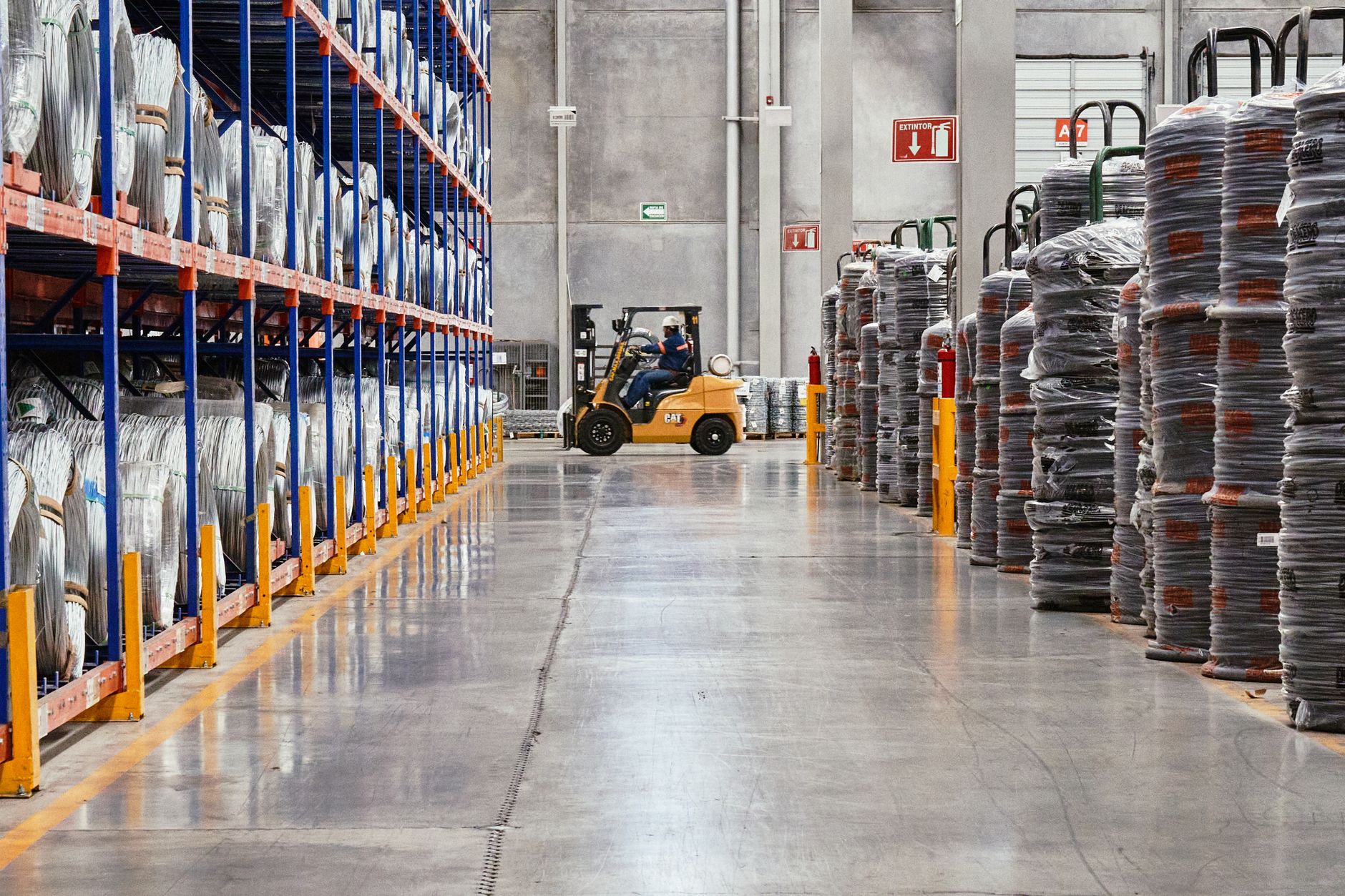
Measured time back on the floor
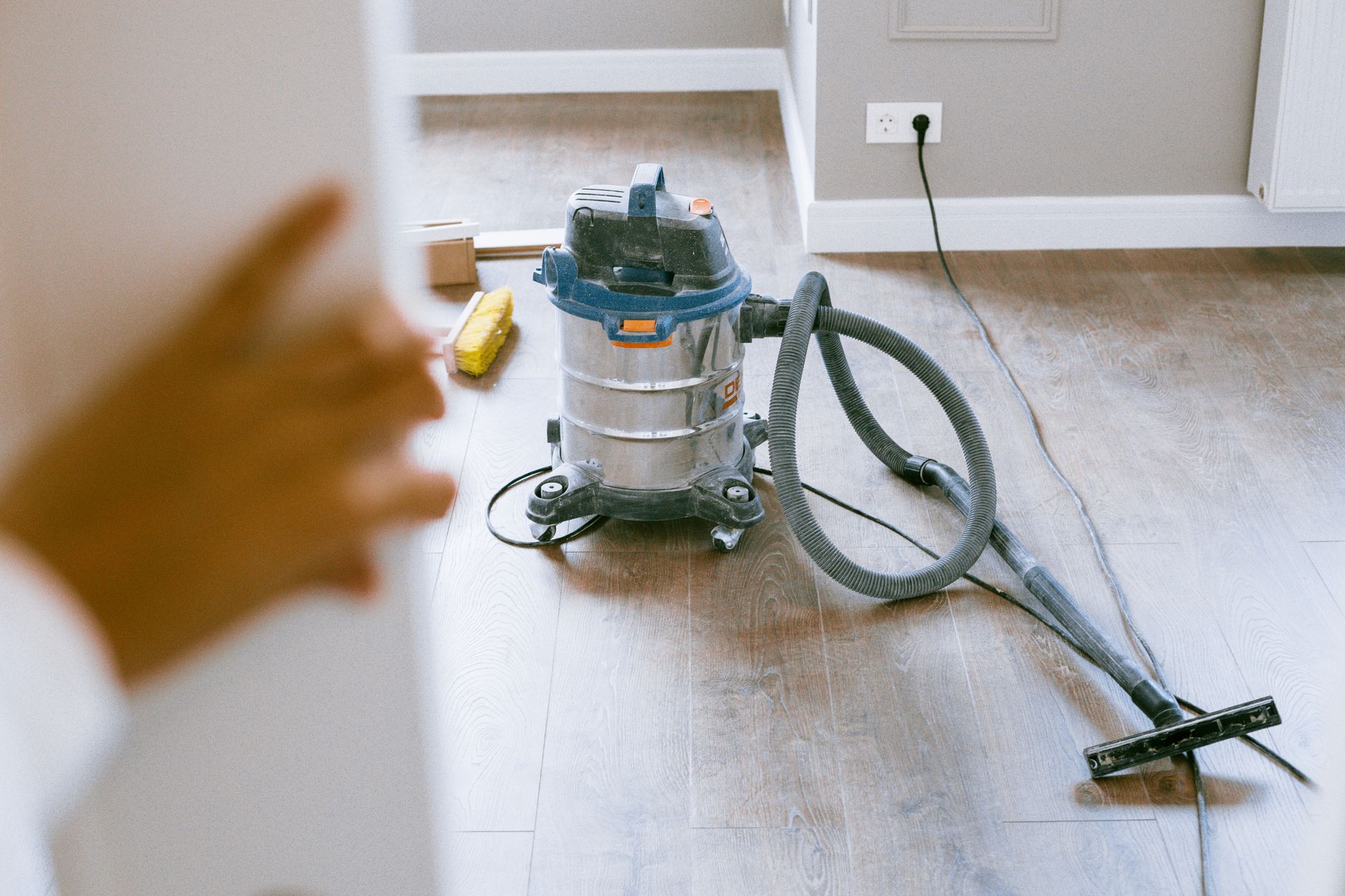
After deployment, the site reports autonomous scrubbing in about 15 minutes per day while keeping the hall consistently clean. That replaces scrub blocks that previously stretched toward 90 minutes when done by hand.
The published case study attributes 75 minutes of daily time savings to staff who no longer carry long manual scrub shifts. Clean floors also reduce dust migration into office and break areas adjacent to the dock.
The change is less about novelty and more about predictable hygiene in a lane where every minute of labor competes with trailer turns.
What US logistics operators can take from this pattern
Service Robot Co. helps US businesses compare autonomous scrubbers across manufacturers, then finance, deploy, train, and service units through a nationwide engineer network. One partner covers mapping, go-live, and ongoing maintenance instead of juggling multiple vendors.
A cross-dock with similar square footage and dust load can pilot commercial cleaning robot rental or a monthly lease before buying, matching payment programs to seasonal freight swings. Vendor-neutral selection matters when aisle widths, dock plates, and night-shift coverage differ site to site.
The lesson from this documented European deployment is operational: shorten the scrub window, hold floor quality, and return labor to moves that pay. US integrators can mirror that with site assessment, phased rollout, and backup coverage when a unit needs service.