a European grocer's fresh-product fulfillment operation
How a Fresh Grocery Operation Raised Picking Productivity 20%
A European grocer’s fresh fulfillment zone added autonomous mobile robots, cutting picker travel and lifting fresh-product picking productivity 20 percent.
- 20%
- Productivity
- 260
- Staff w/ AMRs
- Fresh
- Pick zone
- WMS
- Integrated
Based on a documented real-world deployment. Figures are from public reporting; the organization is not named.
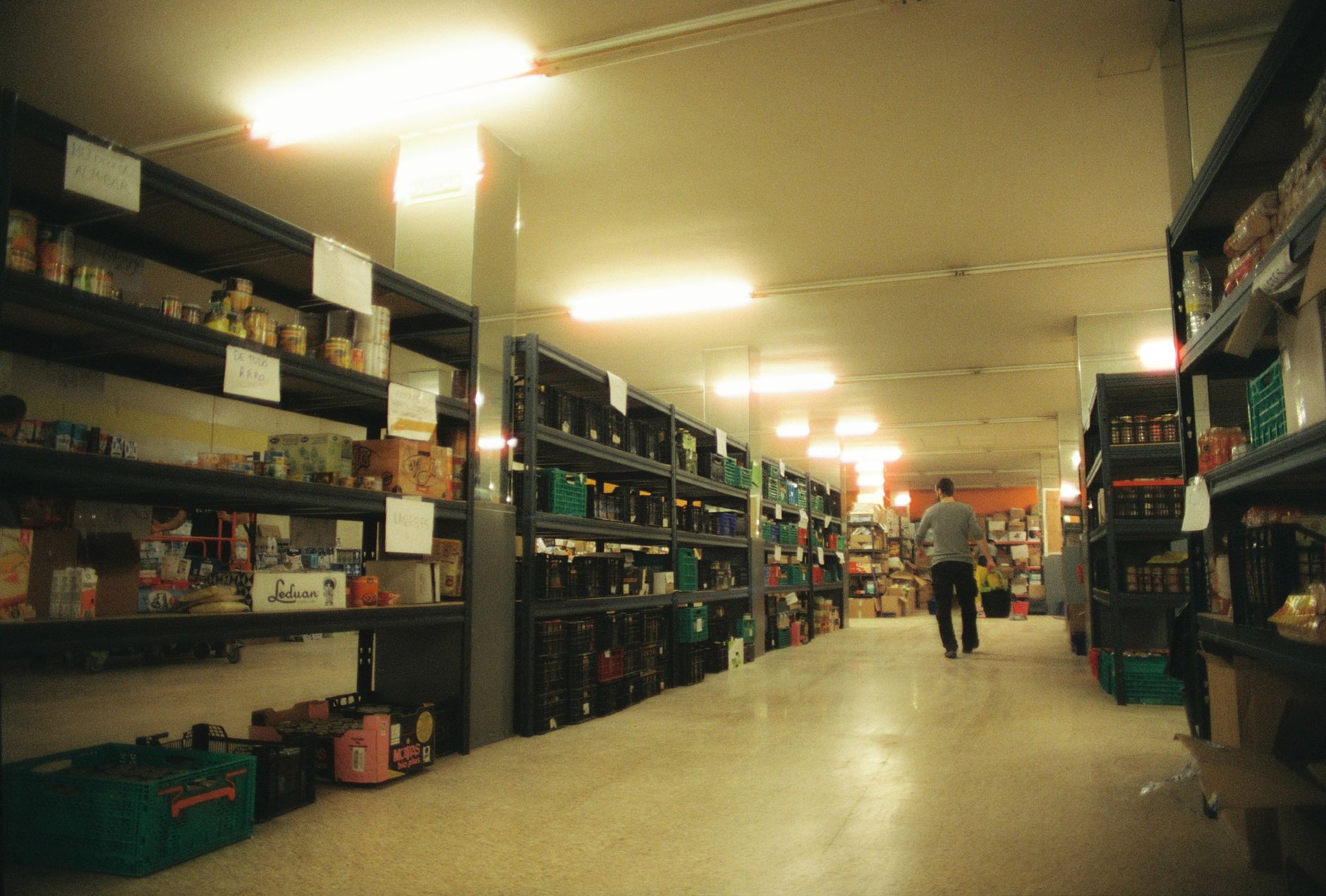
Manual fresh picking that walked associates dry
A European grocer's fresh-product fulfillment operation relied on manual picking for online orders. Associates crossed large storage areas to retrieve items sold by weight and by unit, often walking several kilometers in a single shift.
Low productivity in manual picking slowed fulfillment and raised cost per order as volumes grew. Fresh produce with irregular shapes and weight-based picks made the travel burden even worse in the temperature-controlled zone.
- Long walks between picks in fresh storage
- Weight-based and piece picks in one workflow
- Rising order volume after demand spikes
- Shipping delays when travel dominated shift time
Autonomous vehicles paired with warehouse software
The grocer deployed self-driving vehicles in a distribution center to guide pickers to locations and display pick lists on onboard screens. Routes were calculated for efficient paths through the fresh zone.
Integrations linked warehouse management, weight retrieval from barcodes, and handling rules for weighed articles. Orders could split between manual and automated picking lanes as volume shifted.
- Map fresh-zone SKUs and weight-based pick rules
- Integrate autonomous mobiles with warehouse management
- Display live pick lists and optimized routes on vehicle screens
- Route weighed produce picks through barcode weight APIs
Twenty percent higher fresh picking productivity
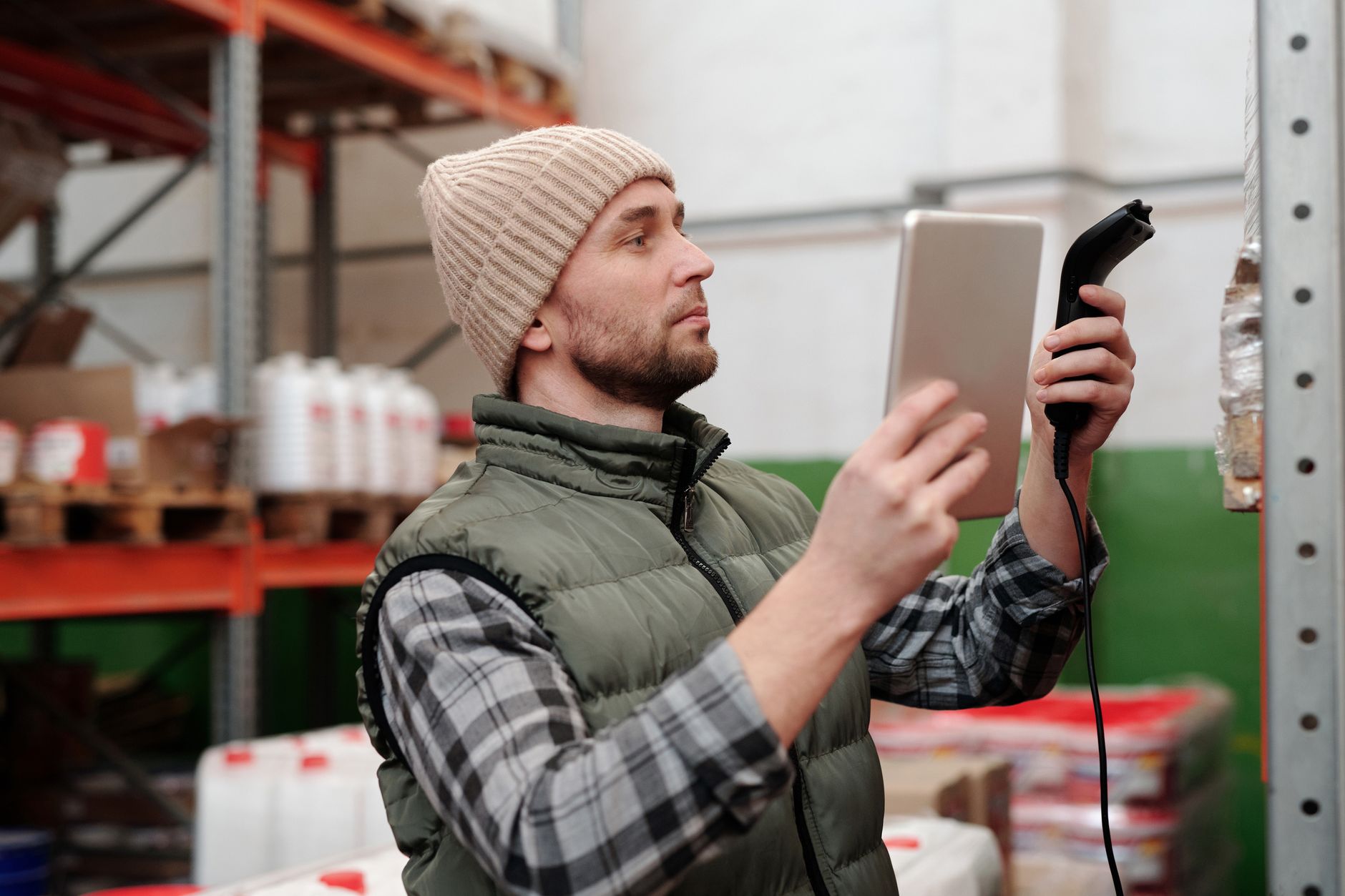
The distribution center runs more than two hundred associates alongside the autonomous vehicles. Navigation time fell because vehicles guide staff to locations instead of relying on memory and paper lists.
Picking productivity rose twenty percent, especially for fresh products measured in kilograms, grams, and pieces. Staff spend less time walking and more time at the pick face handling irregular produce.
What US grocers can learn from the fresh-zone pilot
Service Robot Co. did not run this European grocer's fulfillment program. We highlight published automation outcomes so US grocery chains can compare AMR rental and integration paths before they scale online pickup.
The pattern fits our vendor neutral integrator role: select order-picking AMRs that fit your fresh zone, finance through monthly payment programs, integrate with your warehouse management stack, train pickers on guided workflows, and maintain fleets through a nationwide network of regional service engineers. A robot pilot program on one fresh aisle can log travel minutes before you expand ambient automation.