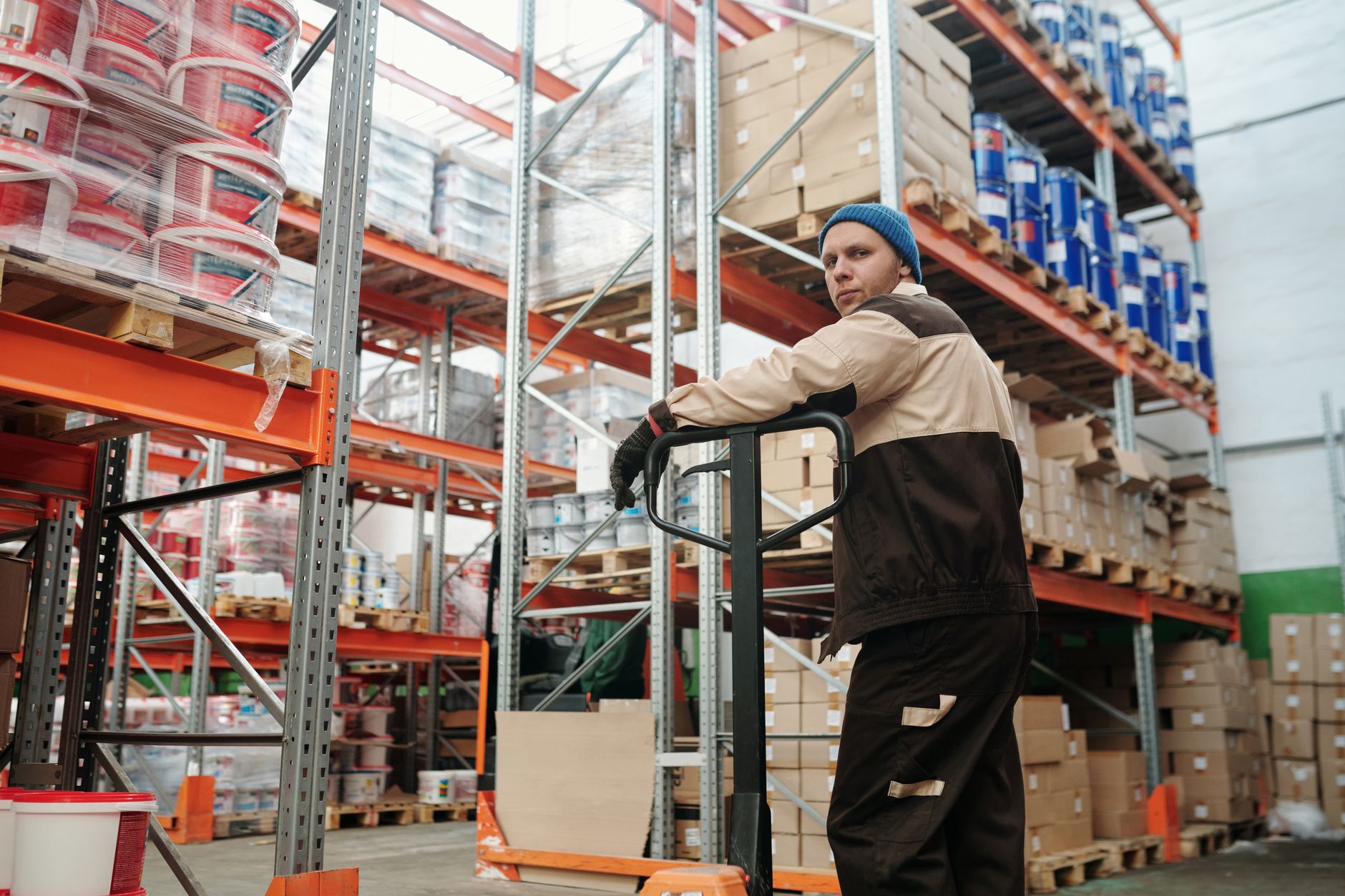
an organic frozen-meal manufacturing plant in Northern California
Meal-Portioning Cobots Raise Productivity 17% in Frozen Meals
A Northern California organic frozen-meal plant raised worker productivity 17%, improved deposit consistency 12%, and cut giveaway 4% on one line.
- 17%
- higher worker productivity
- 12%
- better deposit consistency
- 4%
- less giveaway
- 12 to 10
- workers on one line
Based on a documented real-world deployment. Figures are from public reporting; the organization is not named.
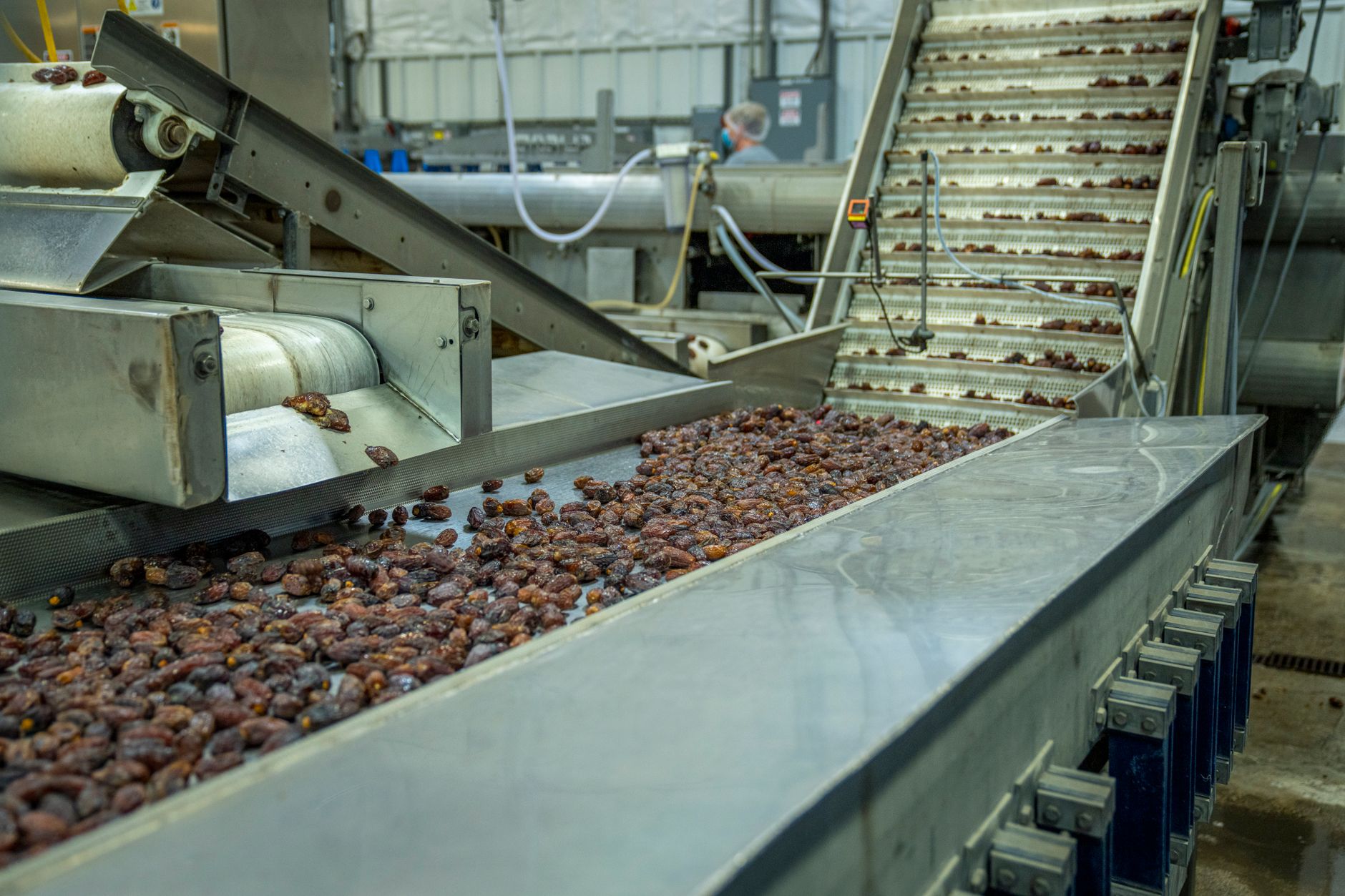
Manual Portioning Was Holding Back Output
The plant was caught in a familiar food-manufacturing bind. Demand climbed after the COVID-19 pandemic, but labor shortages and high recruiting costs left the operation understaffed and producing less than the desired volume.
Manual portioning added a second drag. Over- and under-depositing made tray weights harder to hold, which fed giveaway, chipped at yield, and made consistency harder to defend on a busy frozen-meal line.
- Labor shortages constrained output and raised recruiting pressure
- Manual deposits created weight variation and food giveaway
- Frequent changeovers made rigid automation hard to live with
A Flexible Cobot Cell Was Added to a Live Line
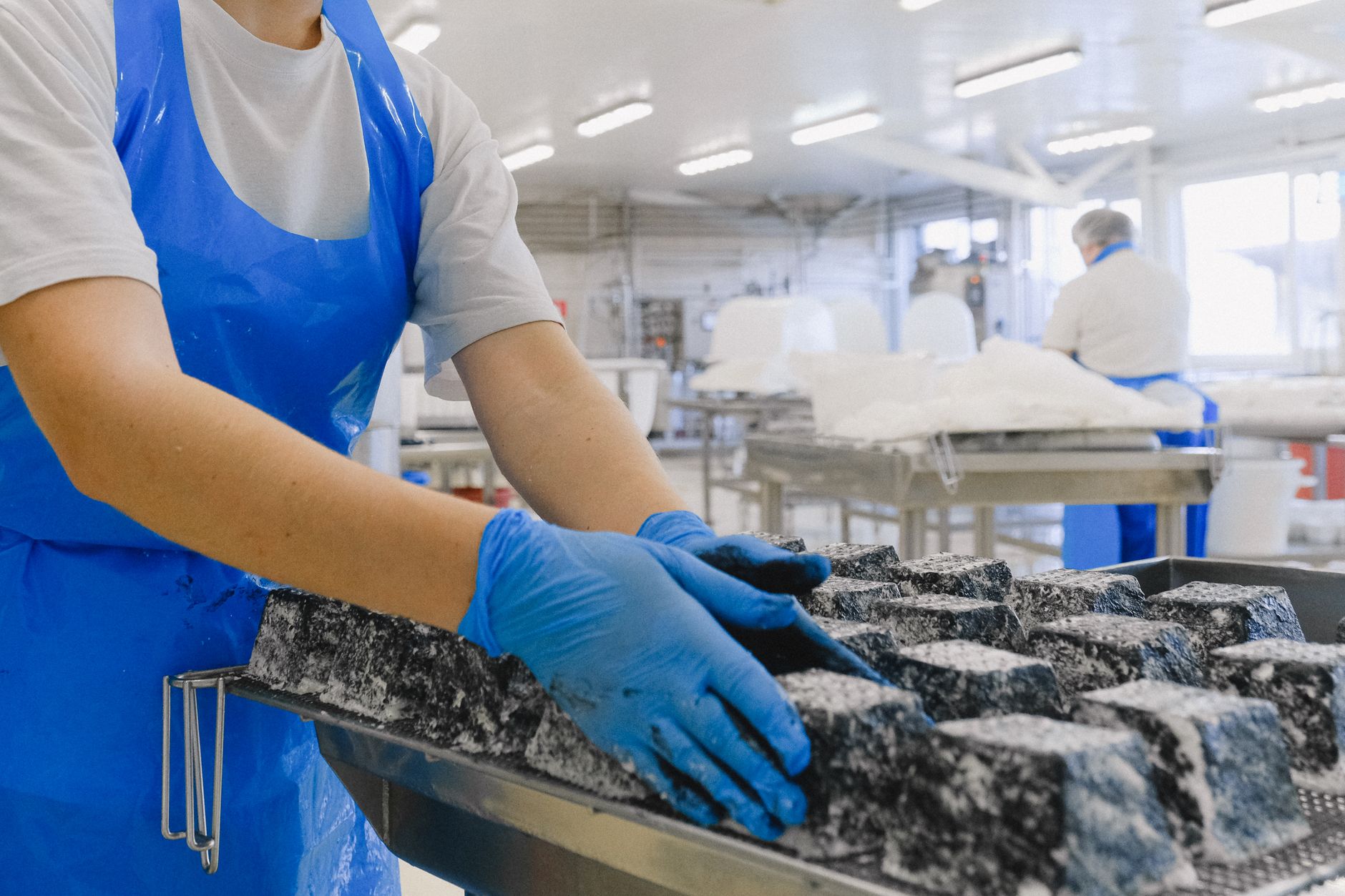
The operation did not settle for rigid automation. The public record says it tested a dozen automation options before landing on AI-enabled meal-portioning cobots that could handle placement accuracy, aesthetics, SKU variety, and frequent changeovers.
The cobot cell fit into the footprint of an existing human station rather than forcing a line rebuild. The source says it was fully deployed in two weeks and set up for less than 10-minute breakdown, cleaning, and reassembly between runs.
The rollout began at the Northern California plant in June 2022 and later extended to other facilities. The public record does not spell out a formal training syllabus, but it does show an operating model built around quick changeovers, live deposit data, and on-line adjustment of weight and placement.
- Test multiple automation approaches against SKU mix and changeover needs
- Fit the cobots into the existing conveyor-line footprint
- Run with quick sanitation and changeover routines between products
- Expand after the first plant proves the operating model
The Gains Showed Up in Labor, Consistency, and Yield
The headline outcome was a 17% gain in worker productivity on robot-portioned meals. On one meal line, staffing dropped from 12 workers to 10, and the plant reassigned the freed-up workers to other tasks.
Quality and yield moved with it. Deposits within the desired weight range improved 12%, food giveaway dropped 4%, and the line ran at 34 bowls per minute while handling two changeovers per day. The public case study also says the cobots worked up to two shifts per day.
The improvement was not only statistical. The source also reports better placement accuracy and tray aesthetics, plus live deposit-level data that let operators adjust weights and placement positions on the fly.
What This Means for Food Manufacturers
This is a documented public deployment, not a Service Robot Co. project. What matters is the pattern: meal-portioning cobots earn their place when labor scarcity, giveaway, and high-mix changeovers all converge on the same line.
That is where Service Robot Co. fits for US manufacturers. We are a vendor neutral robot integrator that helps plants choose the right cobot across manufacturers, then carry robot deployment and integration, financing, training, and service through one accountable partner.
For buyers comparing cobot leasing for manufacturing, robot leasing for business, or purchase, the practical question is not just the arm. It is rollout discipline, sanitation fit, changeover behavior, and service after go-live. One partner, one number, for the lifecycle.