
a national frozen-meal manufacturer
A National Frozen Meal Maker Reports 17% Higher Labor Productivity With Assembly Arms
How one national frozen meal maker used food assembly arms, with vendor reported gains of 17% labor productivity and 4% less food giveaway overall.
Deployment at a glance
- 17%
- Labor productivity gain, as reported by the robot supplier
- 4%
- Less food giveaway, as reported by the robot supplier
- Bowls
- Robot arms assemble bowls and meal trays, per the supplier
Based on a documented real-world deployment. Figures are from public reporting; the organization is not named.
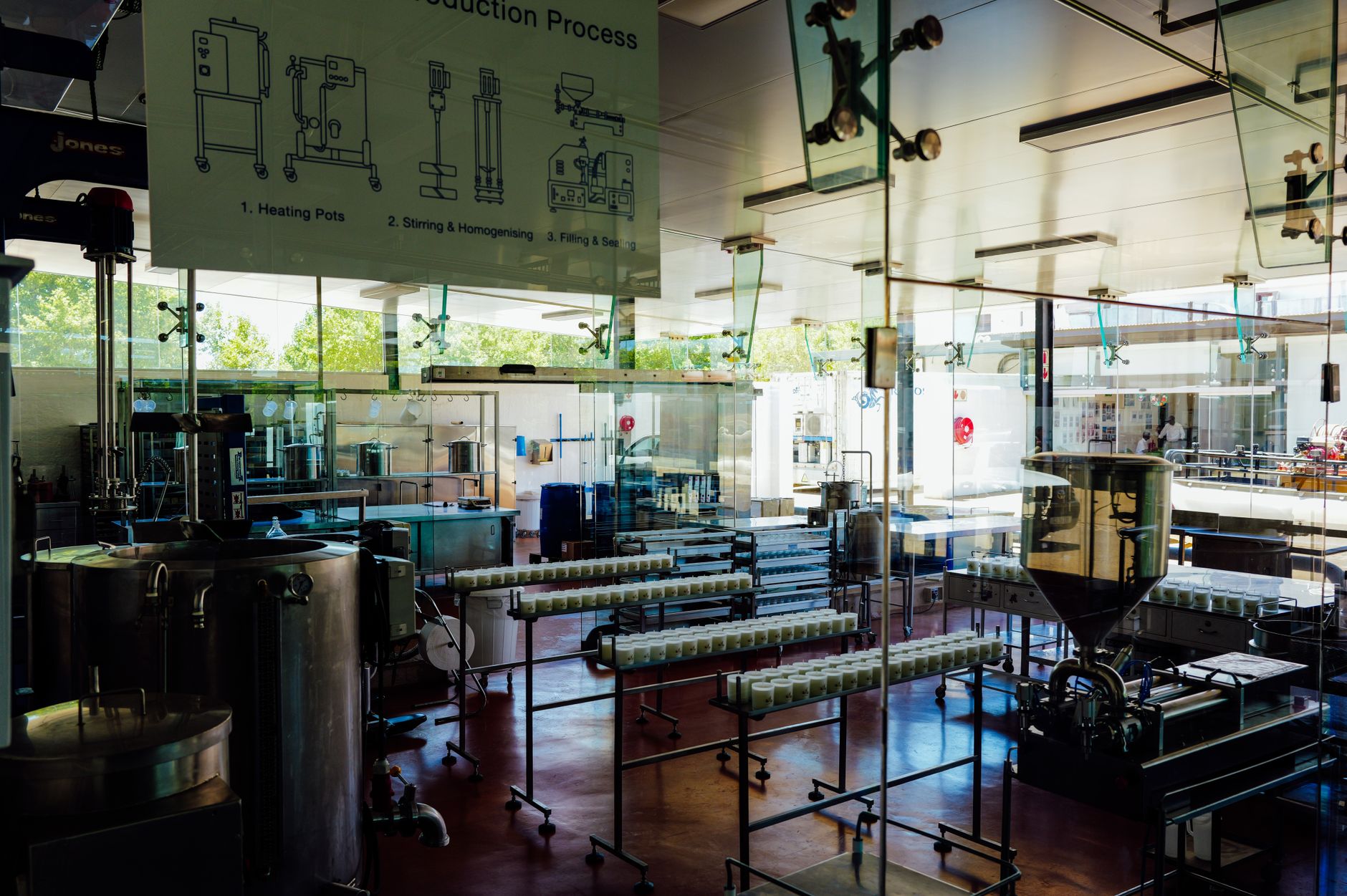
Labor and giveaway pressure on a frozen meal line
Frozen meals are built at speed and in volume, and every tray has to carry the same portion, the same components and the same look from the first shift to the last. For a national frozen meal manufacturer, much of that assembly still depends on people doing repetitive hand placement for long stretches.
Staffing those lines has become harder to sustain. Food manufacturers have turned to automation for that reason, and industry analysis frames AI enabled robotics as a response to labor shortages across food manufacturing.
Giveaway is the quieter cost. A tray that leaves with more product than its label promises is margin lost, and small overfills multiply across a full production day.
- Repetitive hand placement across long shifts
- Hiring and keeping line staff at the pace the plant needs
- Portion variance that shows up as giveaway on every batch
How the robot arms went onto the line
The plant added robot arms to its existing assembly work rather than rebuilding the line around them. The robot supplier describes its system as an AI enabled robot arm for food assembly, built to handle bowls and meal trays.
A deployment of this kind usually moves in a sequence. Teams map the line and the tray and bowl formats the arm must handle, train operators and maintenance staff on the cell, then bring the arm up on live production in stages so the line keeps running.
- Map the line and every tray and bowl format the arm must handle
- Train line operators and maintenance staff on the cell before go live
- Bring the arm up on live production in stages, not all at once
- Keep a service path open for faults, parts and recalibration
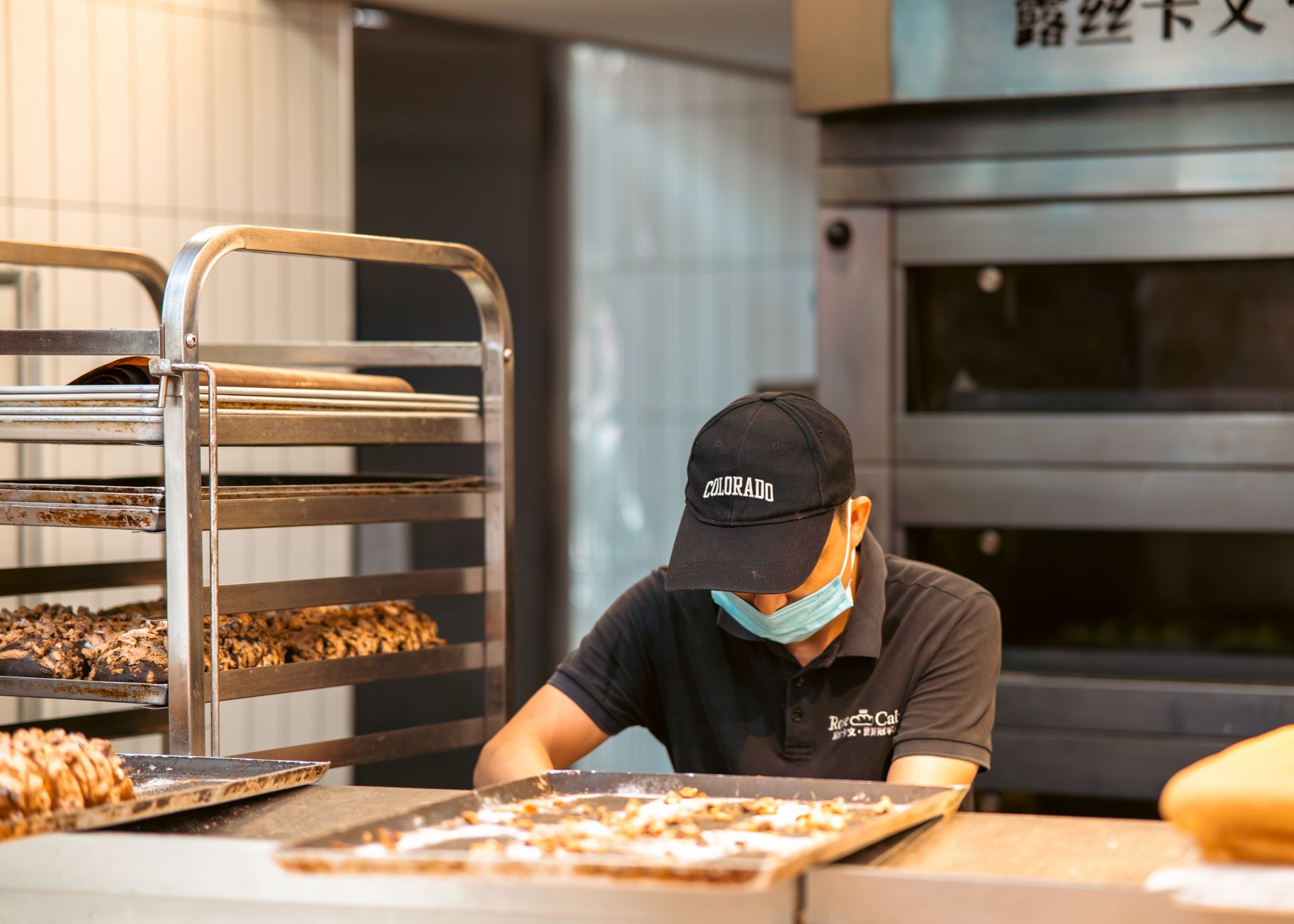
What the plant measured after go live
The robot supplier reports a 17% gain in labor productivity on the assembly line once the arms were running.
The same account reports a 4% reduction in food giveaway. On a frozen meal line, less product over target on each tray means less material lost across the run, and that effect builds across every shift.
Treat these as the supplier's account of one deployment. A plant weighing a similar cell should capture its own baseline on labor hours and giveaway before go live, then measure the same way afterward.
What this means for a plant weighing a food assembly cell
Service Robot Co. is a full service, OEM neutral commercial robot integrator for US businesses, and it offers commercial robot leasing across the whole lifecycle. We select the right robots across manufacturers, then finance, deploy, integrate, train and service every unit through a nationwide US engineer network, so one partner covers the job.
A plant considering a cell like this starts with a site assessment. We quote one fixed robot lease payment after that assessment, on a three year lease, so the cost is clear before any arm reaches the floor.
Deployment, training and service then run through the same team, with on site dispatch and remote triage behind the lease. The deployment described here is one we analyze. Service Robot Co. did not run it, and this study is not a client account.
Frequently asked questions
Want a robot working for you?
Tell us the job and the site. We will recommend the robot, quote the lease, and keep it serviced.