
a frozen-fish packer operating three packaging facilities in South Korea
Frozen Fish Palletizing Productivity Rises 200%
See how a South Korean frozen-fish packer used collaborative palletizing to raise productivity 200%, ease cold-room strain, and reassign its people.
- 200%
- Productivity increase
- 2 m
- Pallet stacking height
- 3
- Packaging facilities
Based on a documented real-world deployment. Figures are from public reporting; the organization is not named.
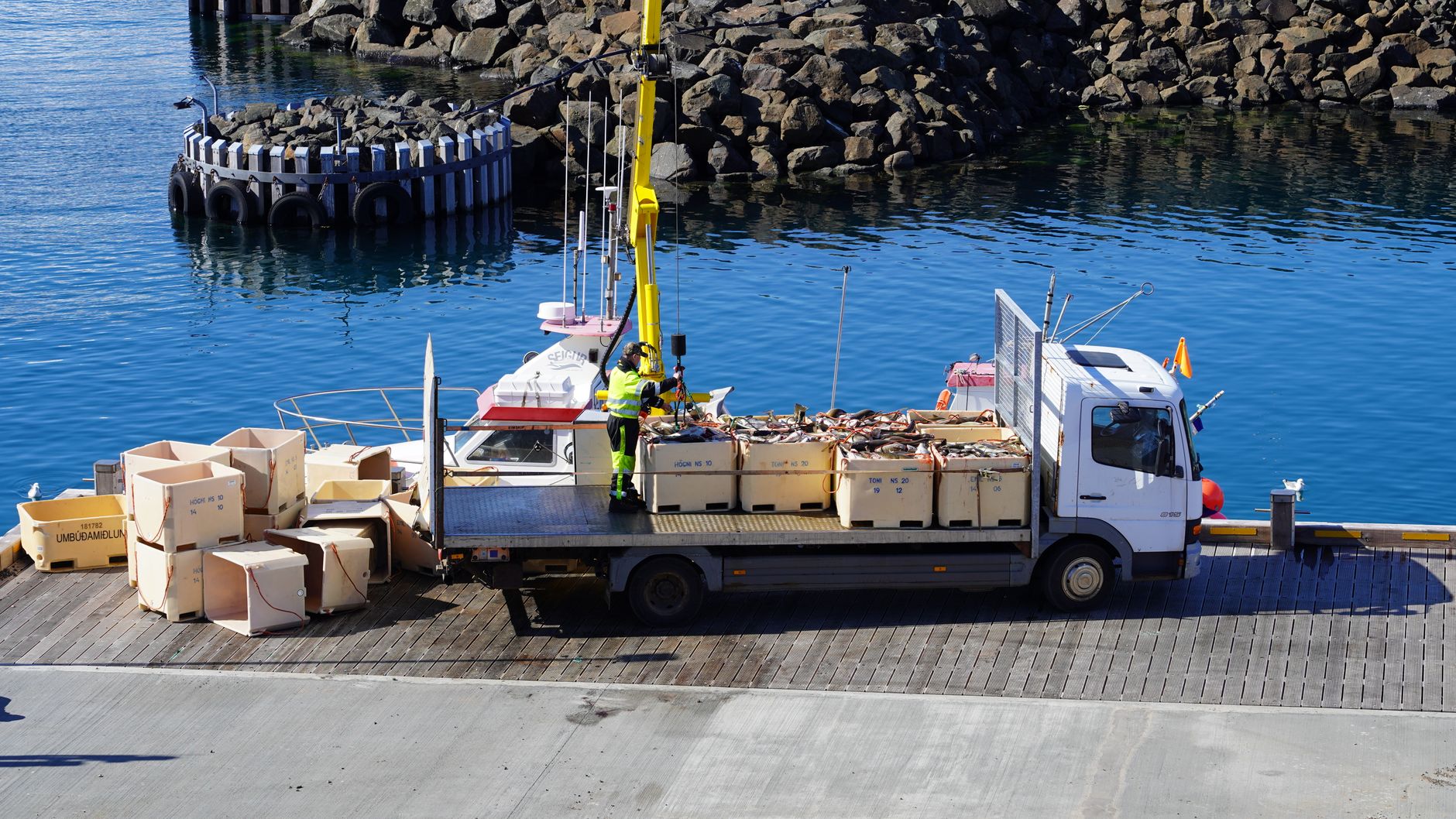
Cold Work, Tall Pallets, Scarce Labor
A frozen-fish packer operating three packaging facilities in South Korea faced a stubborn end-of-line bottleneck. Employees had to stack boxes two meters high in a cold environment, combining repetitive lifting with an awkward upper reach.
The work was difficult to staff and retain. Labor shortages were constraining palletizing as demand grew, while the physical burden and unrewarding nature of the assignment contributed to high turnover.
Automation also had to suit leased premises. The packer needed equipment that could be deployed without an unwieldy project and redeployed when the operation eventually moved into its own space.
- Cold-room conditions made repetitive palletizing difficult to staff.
- Two-meter stacks imposed sustained lifting and reaching demands.
- Leased premises made portability and controlled project scope essential.
- Growing demand increased pressure on the manual palletizing process.
A Collaborative Cell Chosen for Mobility
The packer selected a collaborative palletizer built around practical deployment and redeployment. Its remit was precise: take over repetitive box stacking, reduce strain on employees, and preserve the flexibility required for a future facility move.
The documented deployment progressed from procurement to a working palletizing cell within a few weeks. On-site assistance helped tailor the equipment to the operation, while responsive support continued after commissioning through optimization advice and maintenance service.
Workers operated alongside the palletizer and regarded it as trustworthy and reliable. The source does not specify a formal training duration or a phased rollout, so neither is presented here as a measured element of the project.
- Match pallet reach to the two-meter stack and cold-room duty.
- Choose equipment suited to deployment and later redeployment in leased space.
- Commission the cell around the existing palletizing process.
- Support operator adoption, optimization, and post-deployment maintenance.
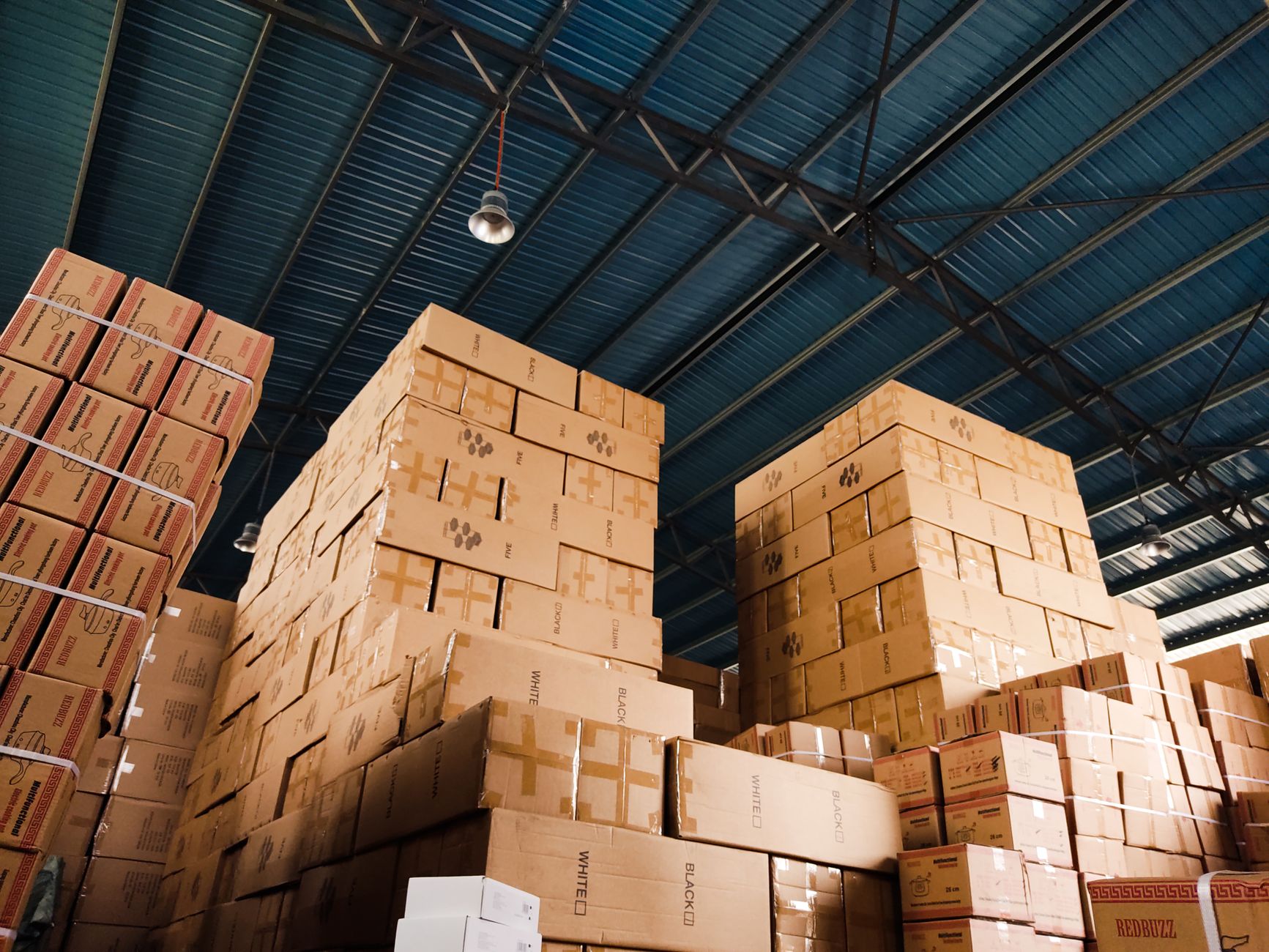
Palletizing Output Climbed Sharply
After the collaborative palletizer was running, the packer reported a 200% increase in palletizing production compared with manual palletizing. That is the source's stated productivity result, not a claim about total plant output.
The equipment absorbed the repetitive cold-room stacking that had strained the workforce. Employees were reassigned to more rewarding duties, and the documented response from people working alongside the palletizer was positive.
The deployment also answered the packer's concern that automation could become unnecessarily complex. A working cell was achieved within a few weeks, followed by continuing optimization and maintenance support.
The Lesson for US Seafood Processors
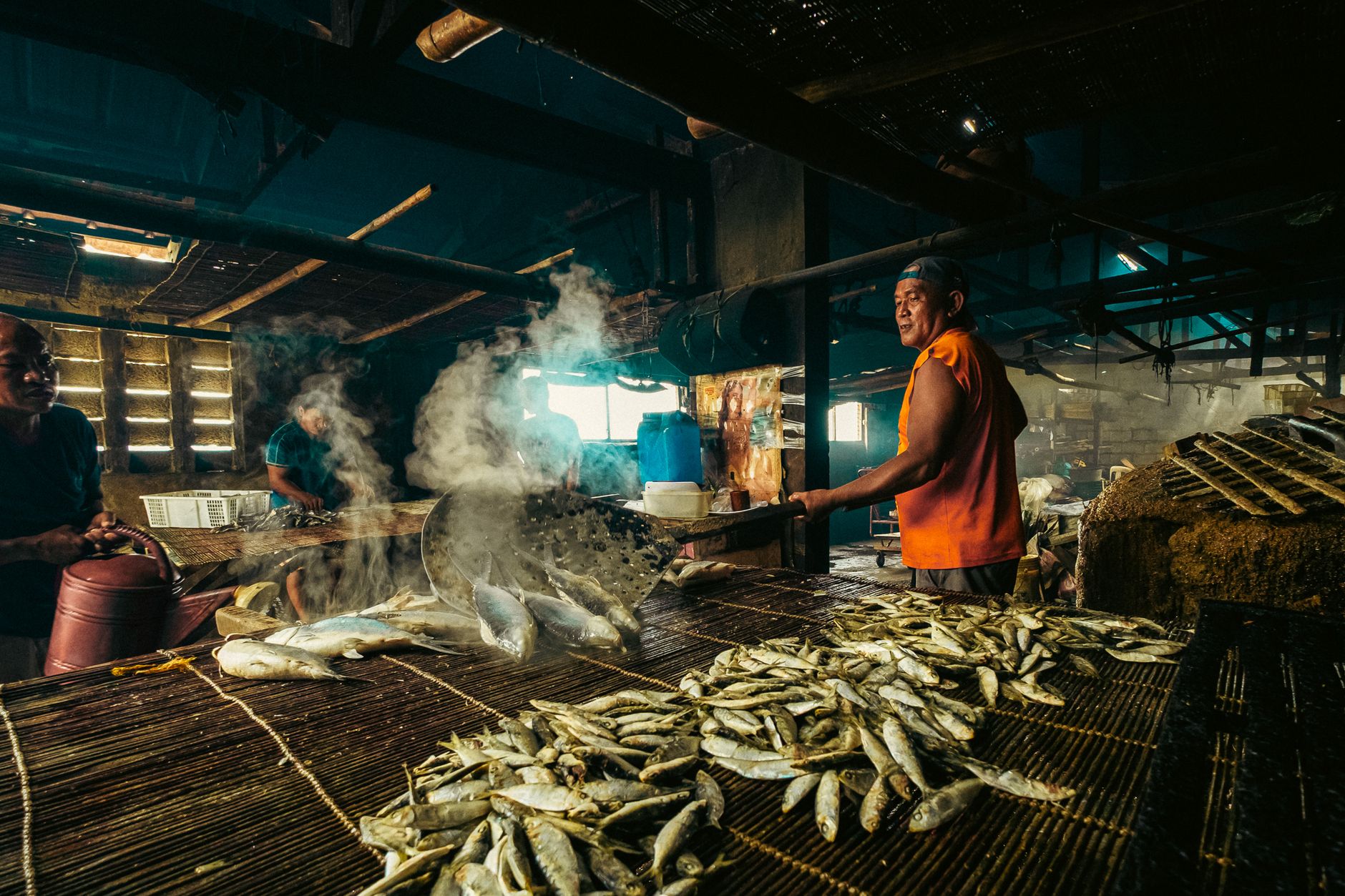
This is a documented third-party example, not a Service Robot Co. client deployment. Its relevance is the operating pattern it exposes: successful end of line automation begins with the real constraints of the job, including box handling, pallet geometry, temperature, footprint, workforce exposure, and future relocation.
Service Robot Co. is an OEM-neutral, vendor neutral robot integrator for US businesses. We select across manufacturers, arrange financing, manage robot deployment and integration, train personnel, and service every unit through a nationwide US engineer network. It is one partner for the full lifecycle.
That model lets a processor evaluate purchase, financing, collaborative robot arm leasing, or palletizing robot leasing around its own operating case. Equipment choice and commercial structure follow the site requirements. The 200% result belongs only to the documented South Korean operation and is not a forecast for another plant.
Frequently asked questions
Want a robot working for you?
Tell us the job and the site. We will recommend the robot, quote the lease, and keep it serviced.