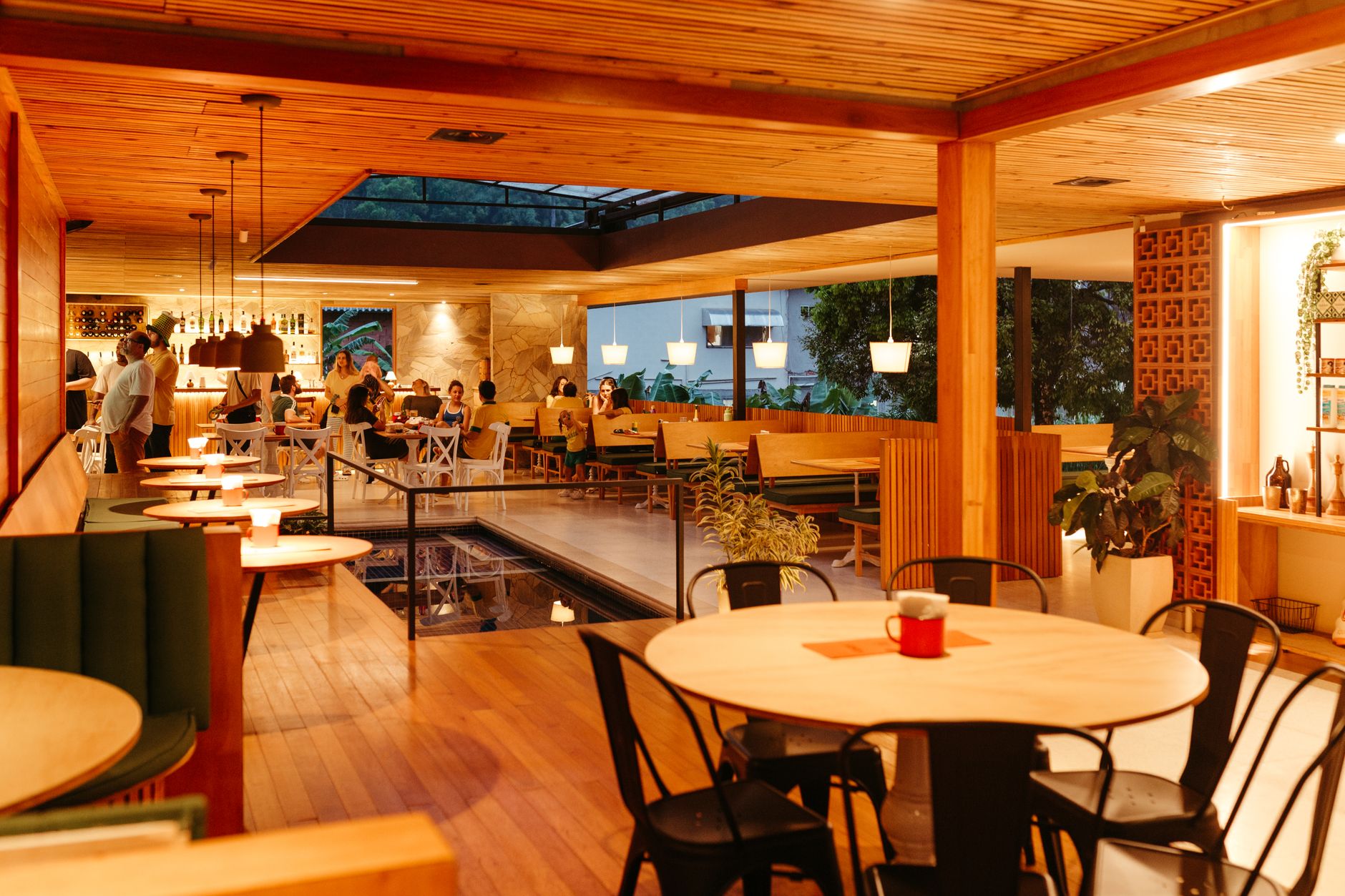
a full-service restaurant running occupied lunch and dinner service with an 18-person floor and kitchen team
How a Full-Service Restaurant Freed 104 Daily Minutes With Kitchen-to-Table Robots
See how a documented restaurant pilot used delivery robots for 52 daily runs, 97.6% task completion, and about 104 minutes of service time back per day during peak dining.
- 104 min
- service time back daily
- 97.6%
- task completion rate
- 52
- robot cycles per day
- 18%
- less peak walking
Based on a documented real-world deployment. Figures are from public reporting; the organization is not named.
Peak dining with too many walking trips
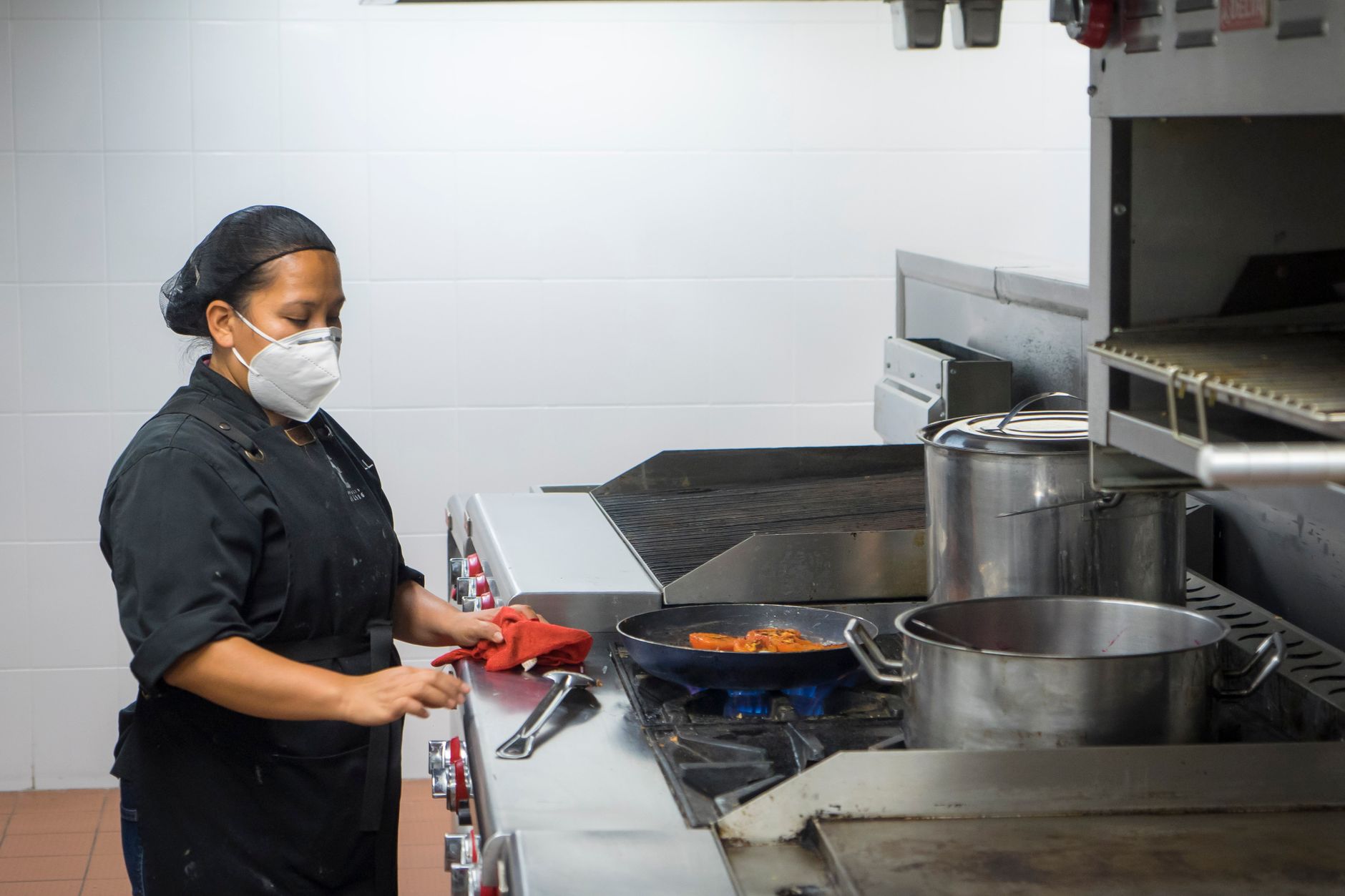
The restaurant was fully open for lunch and dinner with an eighteen-person team split between kitchen and floor. Staffing gaps during busy periods meant food sometimes waited longer than guests expected while servers and runners repeated the same kitchen-to-table paths.
Manual transport added up fast. The operation logged about two hundred ten manual carrying movements before automation, much of it during the rush when every minute on the floor mattered for hospitality and table turns.
Six-week pilot with mapped handoffs
Leaders treated the rollout as a pilot, not a permanent bet on day one. They mapped staffed handoff zones, trained eighteen kitchen, floor, and management employees, and ran the workflow across real lunch and dinner peaks for six weeks.
Delivery robots handled runs to controlled handoff points and supported dish returns where the layout allowed. Supervisors watched completion rates and manual assists per cycle, tightening routes as the team learned how guests and staff shared aisles.
- Define handoff zones that keep robots out of guest seating conflicts
- Train kitchen, floor, and managers on the same escalation rules
- Run occupied-service lunch and dinner blocks before calling the pilot stable
- Track cycles, interventions, and walking time weekly
Measured time back on the floor
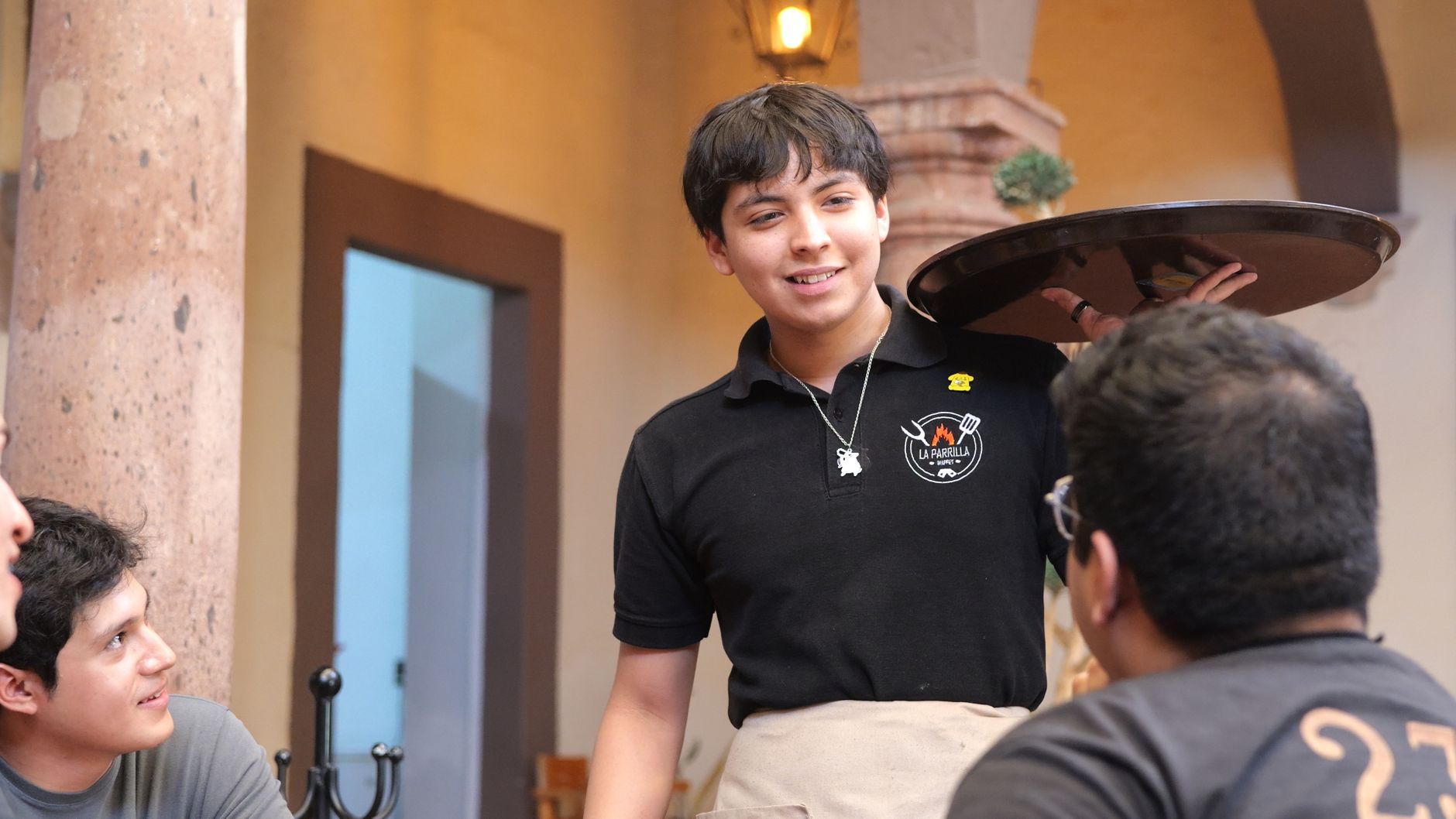
In the stabilized phase the site averaged fifty-two robot cycles per day with a 97.6 percent task-completion rate. Manual transport movements fell from about two hundred ten to roughly one hundred one, and peak-period server walking dropped about eighteen percent.
Service time released totaled about one hundred four minutes per day. Kitchen pass to handoff time improved from 4.9 minutes to 4.3 minutes, and average table-reset time moved from 8.7 minutes to 7.8 minutes. Manual interventions settled near 2.4 per one hundred cycles, and the pilot recorded zero major robot-related safety incidents in its window.
What operators can borrow from the pattern
This study describes a documented deployment analyzed for learning. Service Robot Co. did not run this specific restaurant. The lesson is operational: when repetitive carrying work sits inside a fixed floor plan, a restaurant delivery robot rental paired with mapping and training can return guest-facing minutes without asking servers to sprint all shift.
A vendor-neutral integrator can match the robot type to aisle width and elevator rules, offer lease or monthly rental when that beats a purchase, and keep units supported through remote triage and on-site dispatch when something needs hands. A short commercial robot demo or pilot program on your own peaks is the honest way to see if your numbers look like these.