
an Indiana wood-furniture and seating factory
Furniture Factory AMRs Reassign Three Material-Handling Roles
Two AMRs took over repetitive plant transport at an Indiana furniture factory, letting three employees move into other roles before a third was added.
- 3
- roles reassigned
- 8 hours
- per role each day
- 2 AMRs
- initial transport fleet
- 3rd robot
- added after rollout
Based on a documented real-world deployment. Figures are from public reporting; the organization is not named.
A Long Material Route Consumed Entire Shifts
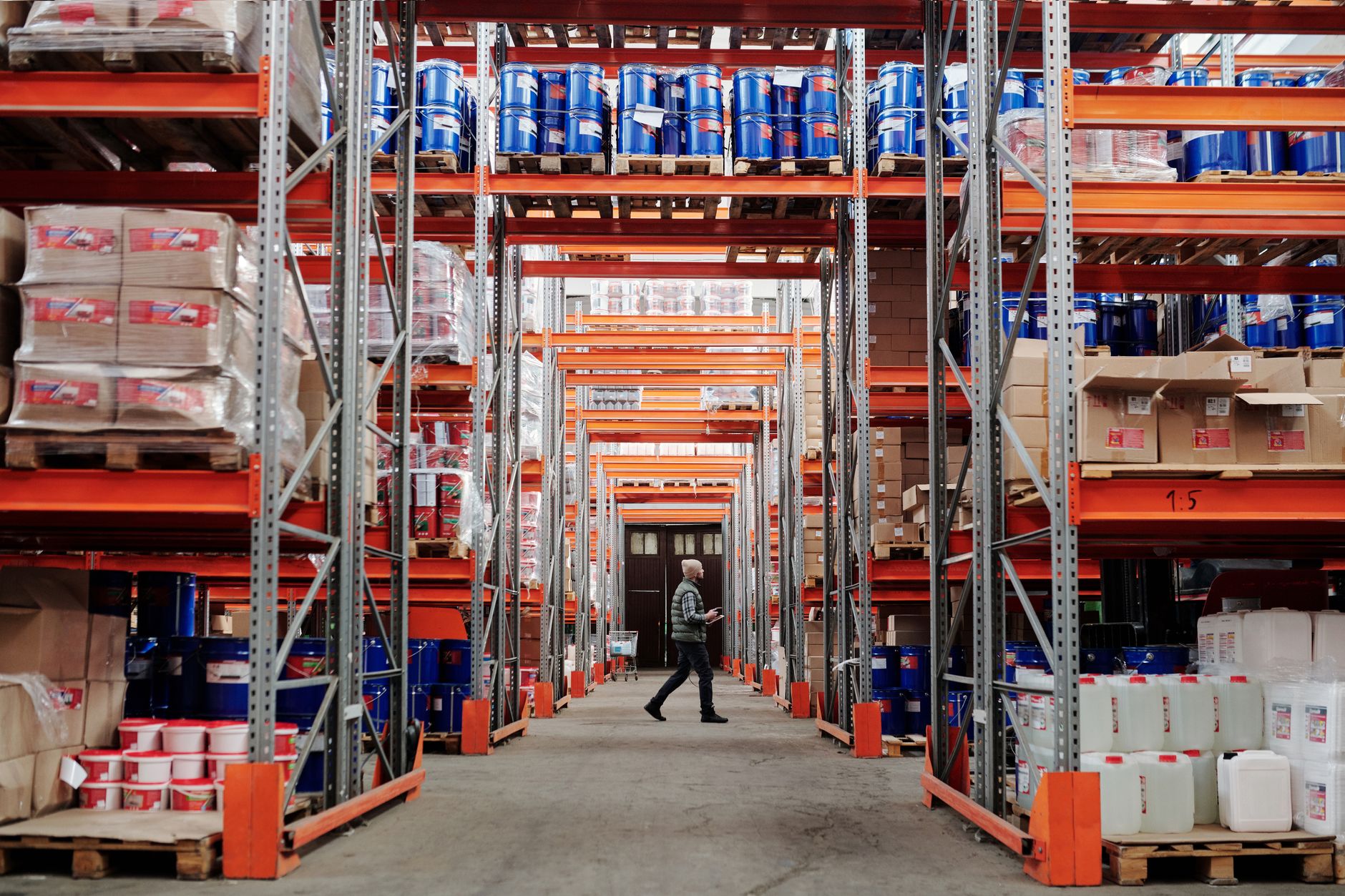
At an Indiana wood-furniture and seating factory, raw materials and parts had to travel from shipping and receiving to production lines across a 1.4 million square foot building. Employees drove golf carts on multiple daily shuttles, making internal transport a labor-intensive part of the production rhythm.
The work occupied three people for eight hours a day. Materials could still feel unavailable when production needed them, while skilled employees spent entire shifts shepherding loads between opposite ends of the plant.
This was a strong candidate for repetitive transport automation. The route was recurring, operationally necessary and distinct from the higher-value factory work awaiting the employees elsewhere.
- Long travel between receiving and production
- Multiple material shuttles running each day
- Three full-shift roles committed to transport
- Material availability that did not consistently match production demand
Prove the Route, Prepare the Workforce, Then Expand
The deployment began with a factory-floor demonstration observed by about two dozen employees. That early exposure gave the workforce a tangible view of the proposed change and created room to discuss how the technology would support their roles.
Detailed pre-planning followed. The internal team examined likely obstacles, prepared routes and simplified fleet dashboards, while an integration partner supplied the hardware and software needed for robot deployment and integration.
Three AMRs were delivered, and technical specialists spent a few weeks training production staff to operate and maintain them. Employees then assumed control of scheduling the automated routes, with continued troubleshooting and integration support available after handoff.
The operating rollout was deliberately phased. Two AMRs first assumed the transport flow, and their performance gave the site confidence to introduce the third robot a few months later for an upstairs upholstery line.
- Demonstrate the technology on the actual factory floor
- Involve employees before changing the transport process
- Map recurring routes and anticipate obstructions
- Train plant personnel to operate and maintain the fleet
- Begin with two AMRs, validate the flow and add the third
Transport Became Consistent and People Moved to Better Work
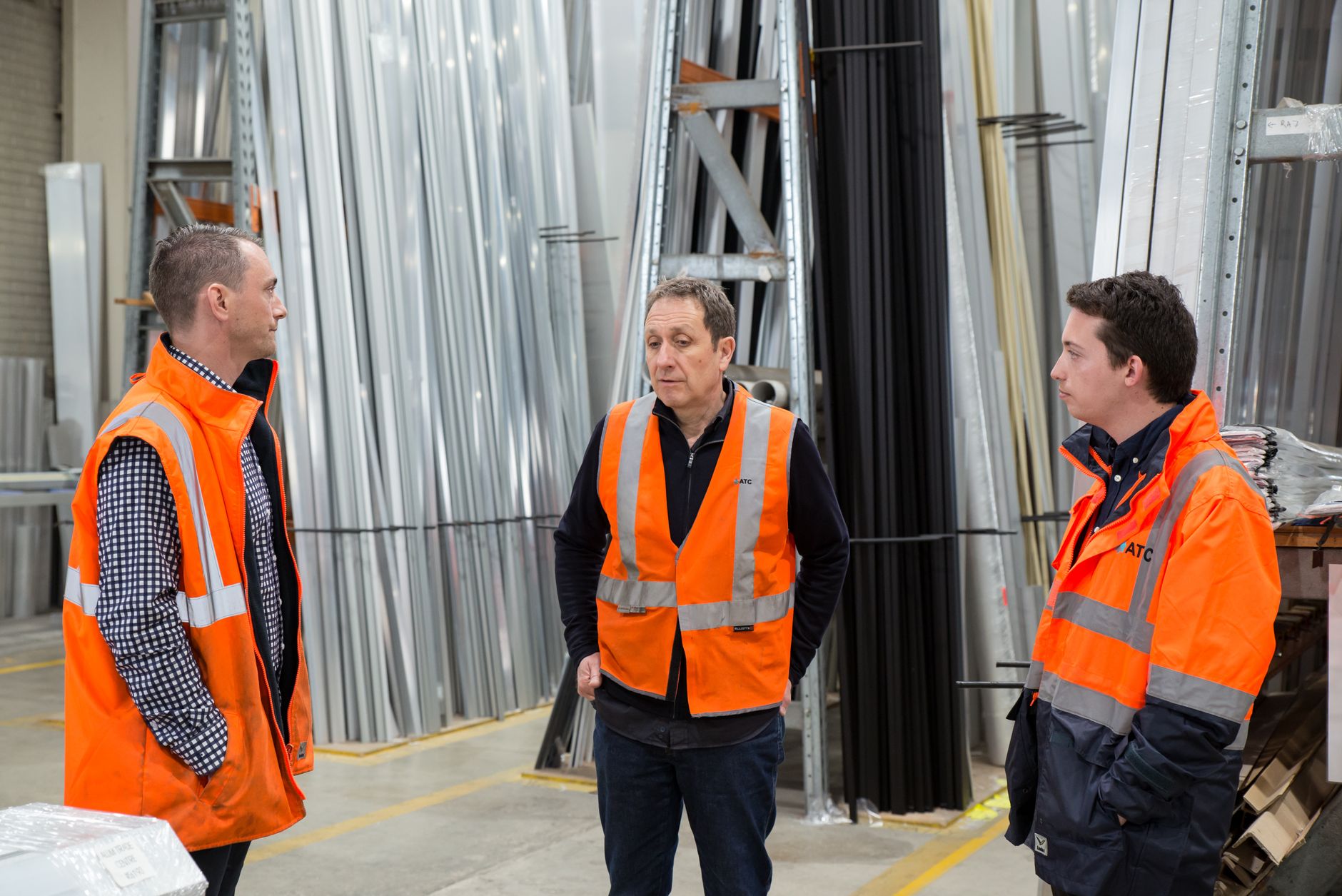
Two AMRs augmented the material-handling work previously occupying three employees for eight hours a day. All three people were reassigned to other areas or departments within the plant, preserving their factory knowledge for work that needed human judgment and dexterity.
The robots ran from the start of the day through the end of the shift without downtime, carrying up to 1,250 pounds per continuous cycle. They moved loads from receiving and shipping to production, then returned with empty carts while detecting obstructions and stopping or rerouting as needed.
The initial deployment performed well enough that the operation prepared the third robot for an upstairs upholstery production line a few months later. That expansion is the clearest operational endorsement in the record: the first routes worked, the workforce adapted and another transport lane became worth automating.
A Practical Pattern for Factory Material Transport
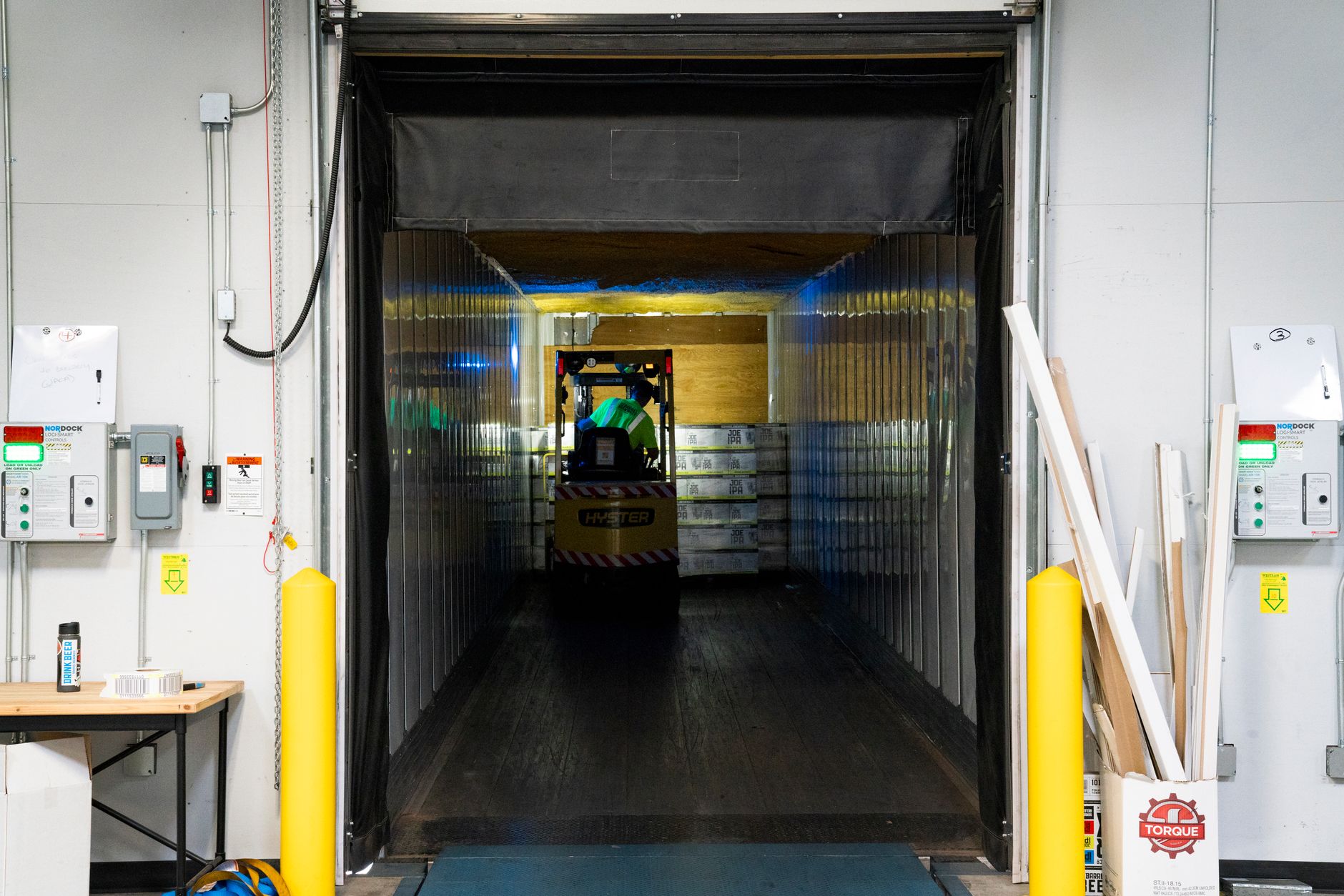
This documented example shows why an autonomous mobile robot lease or material handling robot leasing should begin with the route, load and handoff points. The right AMR is the one that fits the floor, traffic, payload and production cadence, not the one with the loudest specification sheet.
Service Robot Co. is a full-service, OEM-neutral commercial robot integrator for US businesses. We select equipment across manufacturers, then finance, deploy, integrate, train and service every unit through a nationwide US engineer network, giving customers one partner and one number across the lifecycle.
That model supports an AMR lease, robot leasing for business or another financing structure without separating procurement from field execution. Site assessment mapping, a commercial robot demo, a robot pilot program, go live support and ongoing robot maintenance service plan all remain connected to the operating result.
For a manufacturing plant robot lease, phased deployment helps establish route reliability and workforce confidence before fleet expansion. The aim is disciplined repetitive transport automation that releases capable people for production work, backed by a vendor neutral robot integrator accountable beyond installation.