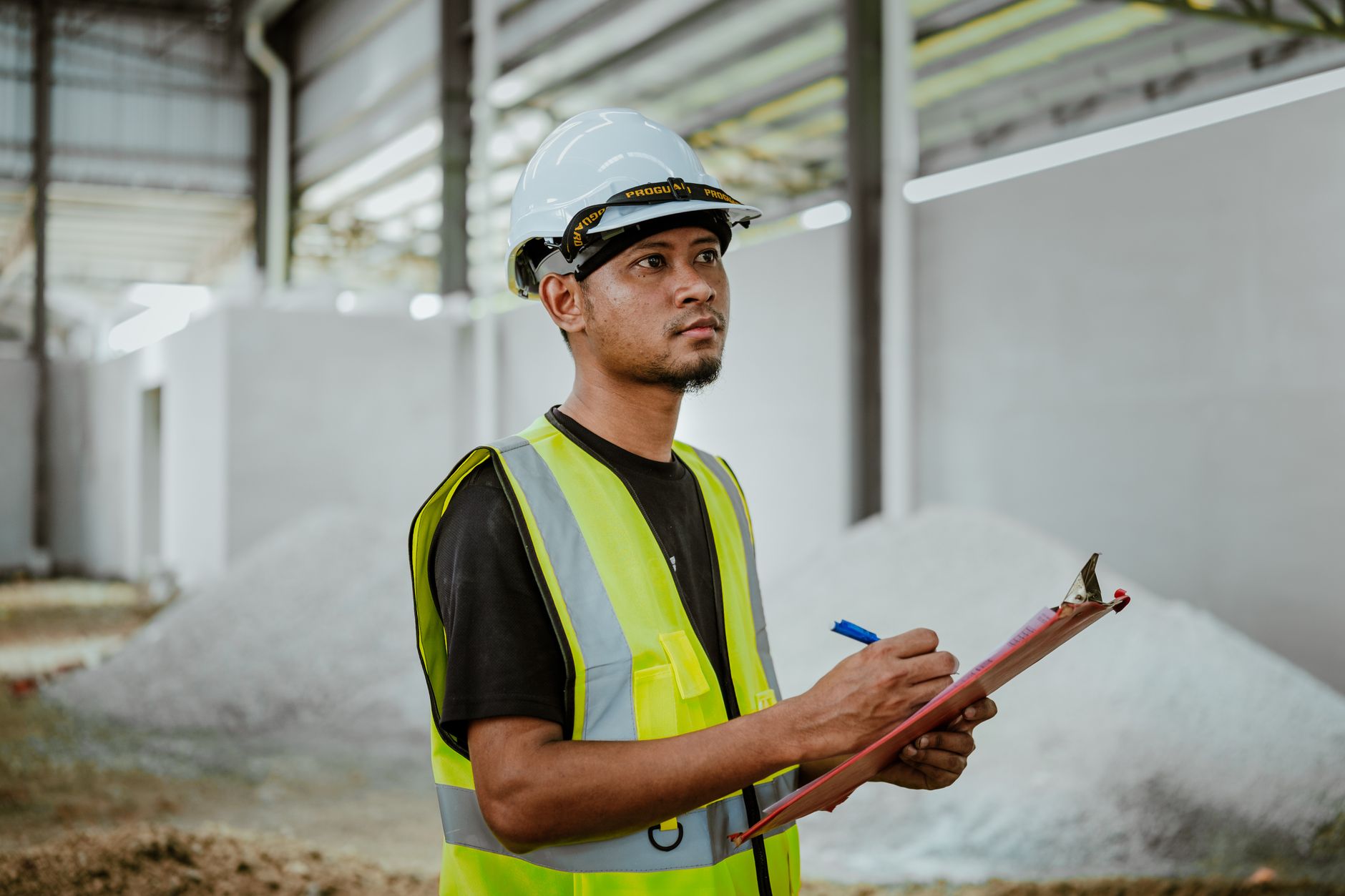
a 50-employee custom furniture and shopfitting plant in Germany
How a German Furniture Plant Stacks 2,400 Board Parts Per Shift With a Robot
A 50-employee shopfitting plant added a vacuum palletizing robot at the edge banding line, hit 2,400 parts per shift, beat prior output by 40%, and restarted in three days.
- 2,400
- Parts/shift
- 40%
- Output gain
- 3 days
- To restart
- 50
- Employees
Based on a documented real-world deployment. Figures are from public reporting; the organization is not named.
One operator, two jobs
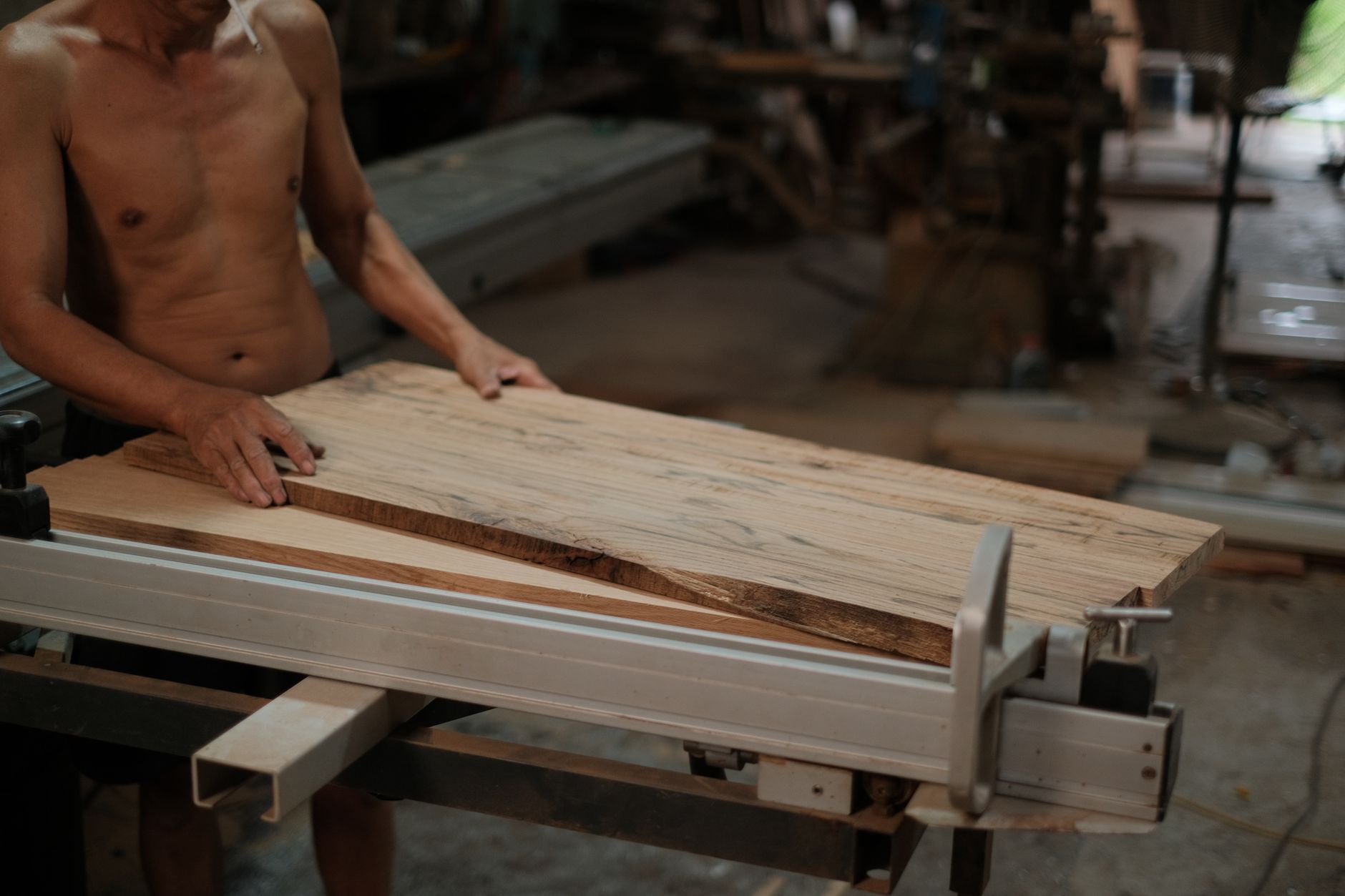
A 50-employee custom furniture and shopfitting plant in Germany builds dealership interiors where board sizes, edge profiles, and stack patterns change all day. Leadership bought a new double-sided edge banding line and wanted one person to run setup, infeed, and machine controls without also hand stacking at the outfeed.
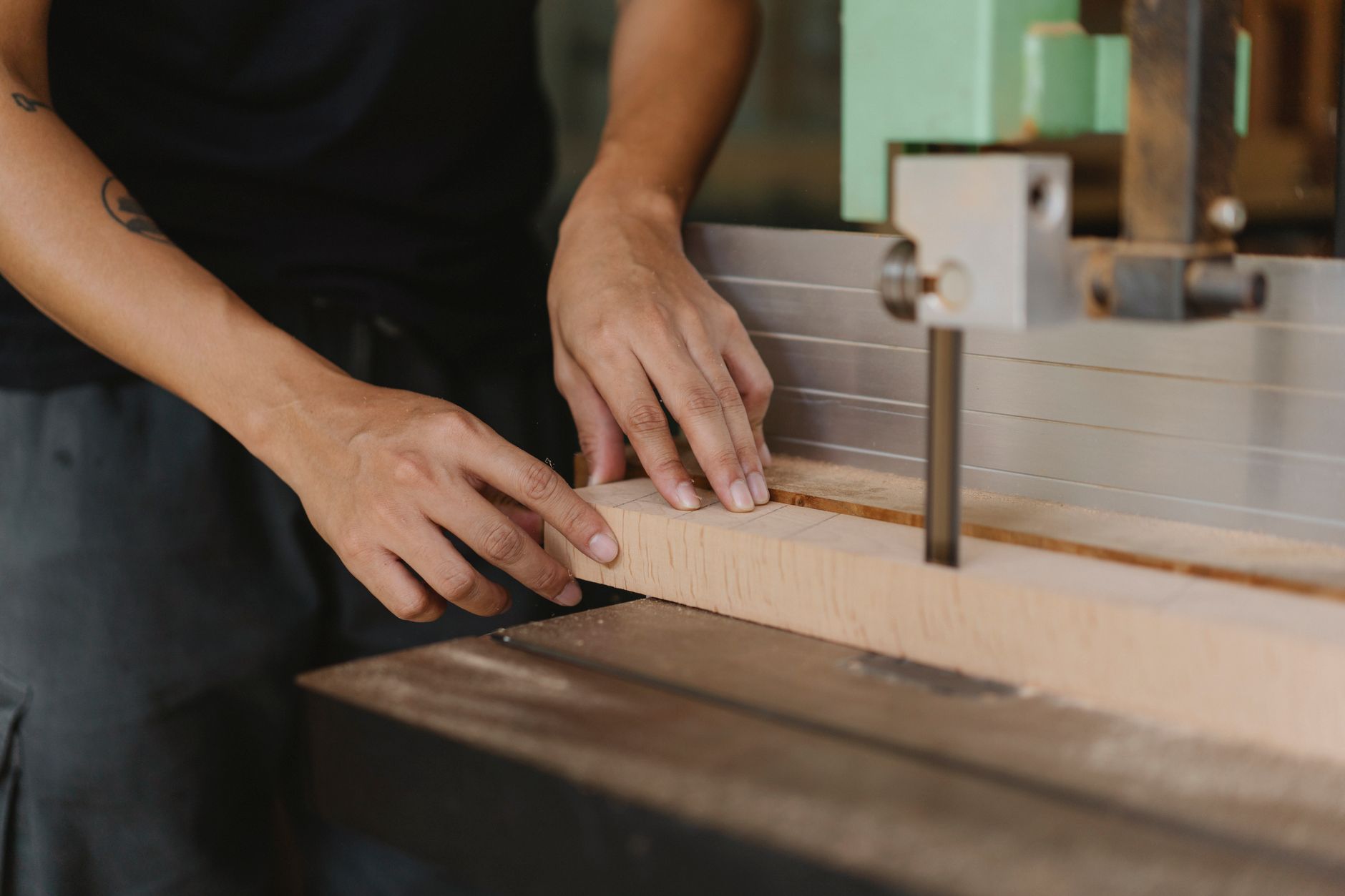
Manual stacking could not keep pace with milled and glued panels exiting on a powered roller table. Accuracy mattered because narrow components often sit side by side in programmed layer patterns before the stack moves to the next process.
- High mix board sizes
- Single-operator cell goal
- Tight stack accuracy
Vacuum palletizer at the outfeed
Integrators paired the edge banding line with a jointed-arm palletizing robot using a vacuum gripper to pick panels and build stacks to predefined layer recipes. Safety interlocks distinguish stack discharge from operator entry and stop motion when someone opens the cell.
Programming was parameterized for length, width, and thickness bounds so the operator adjusts product variables through a simplified teach interface linked to the edge bander data feed. Training focused on running the cell, not writing robot code.
- Vacuum pick and place
- Parameterized recipes
- Safety-rated cell stops
Shift output and restart speed
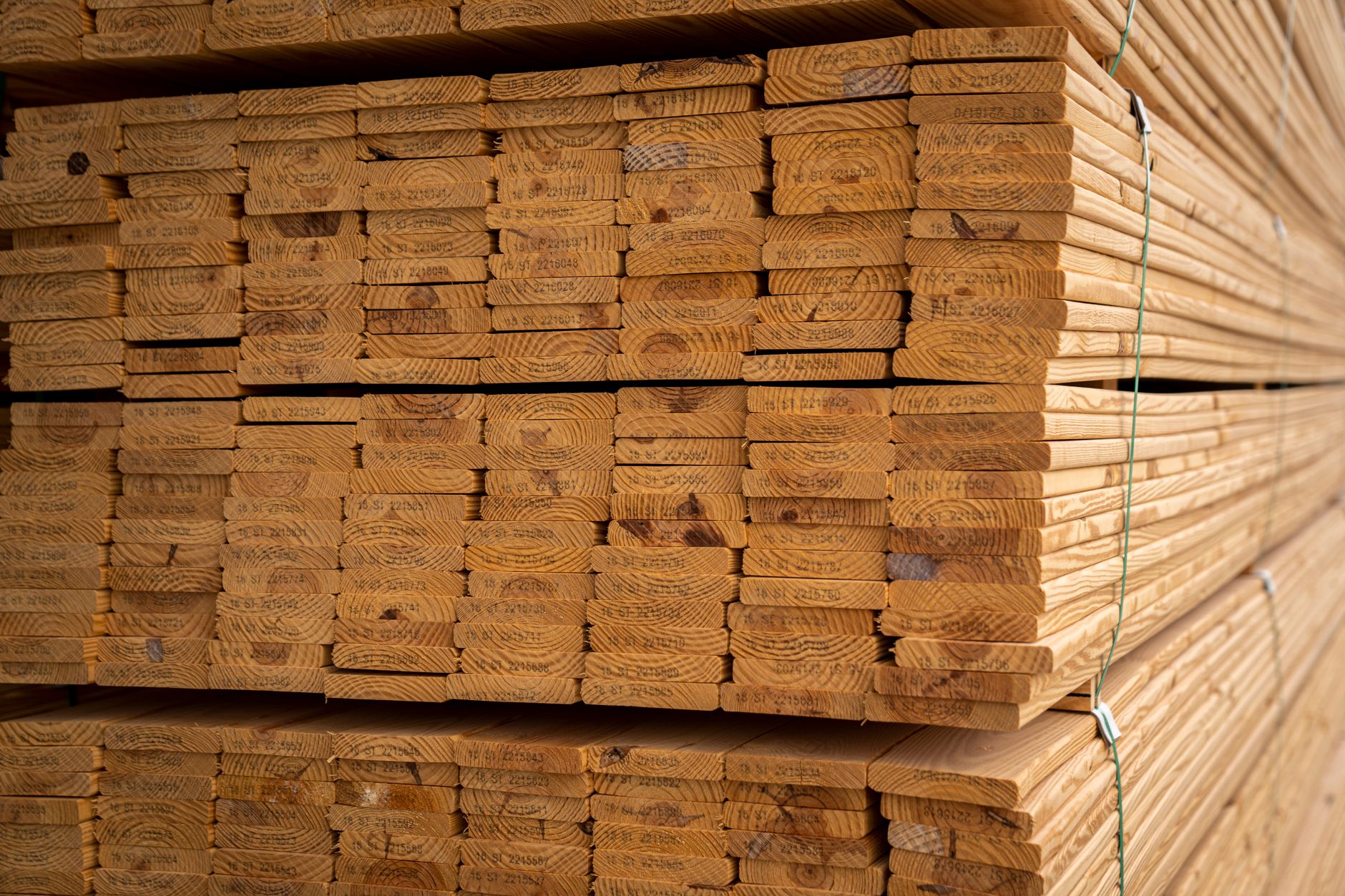
After startup the robot stacked 2,400 individual board parts per shift, where the plant previously moved about 40 percent fewer pieces in the same window. Cycle time and reach beat the gantry alternative the team had priced, with tighter placement accuracy than centimeter-level manual stacking.
Integration finished quickly enough that production resumed within three days. The cell then ran without faults through the first three months while quality and sales improved according to plant leadership quoted in the published case.
What US fabricators can mirror
High-mix wood, metal, or laminate shops face the same bottleneck when a skilled operator feeds a line but stacking steals takt time. Palletizing robot rental or cobot rental for manufacturing end of line work can be phased so the edge or CNC cell never sits idle waiting for hands at the outfeed.
Service Robot Co. did not install this German line. We select vendor neutral palletizing and machine tending units for US plants, finance them on monthly payment programs, map the cell, train staff, and service through a nationwide engineer network as one partner.