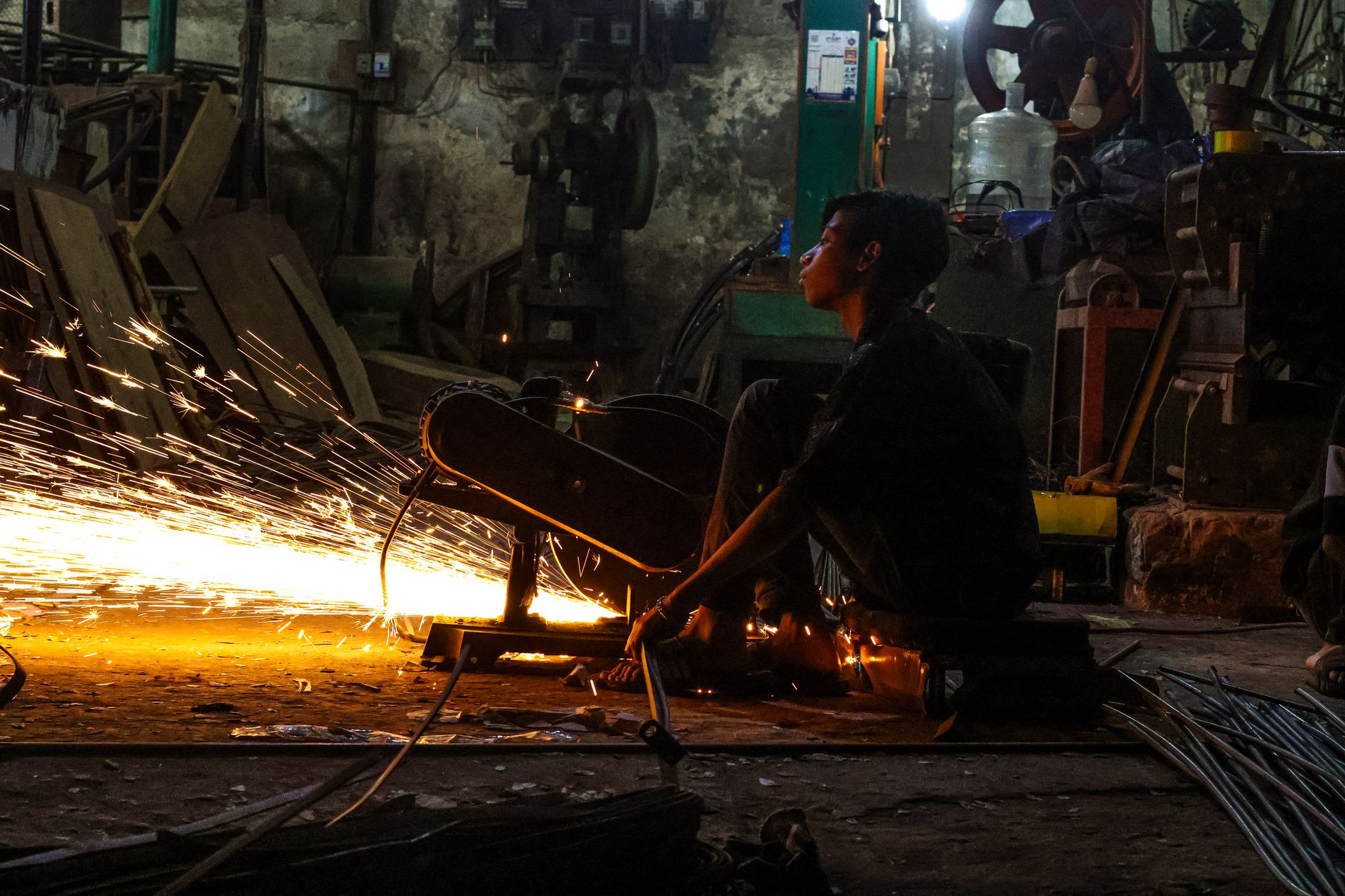
a European furniture manufacturer running three production shifts with a single daytime warehouse crew
How a Furniture Plant Saved 7+ Daily Hours on Warehouse-to-Line Pallet Runs
See how one European plant freed more than seven hours a day by automating pallet moves from warehouse to line, with buffers feeding three production shifts.
- 7+ hrs
- daily hauls
- 3
- prod shifts
- <18 mo
- ROI target
- 1 FTE
- reassigned
Based on a documented real-world deployment. Figures are from public reporting; the organization is not named.
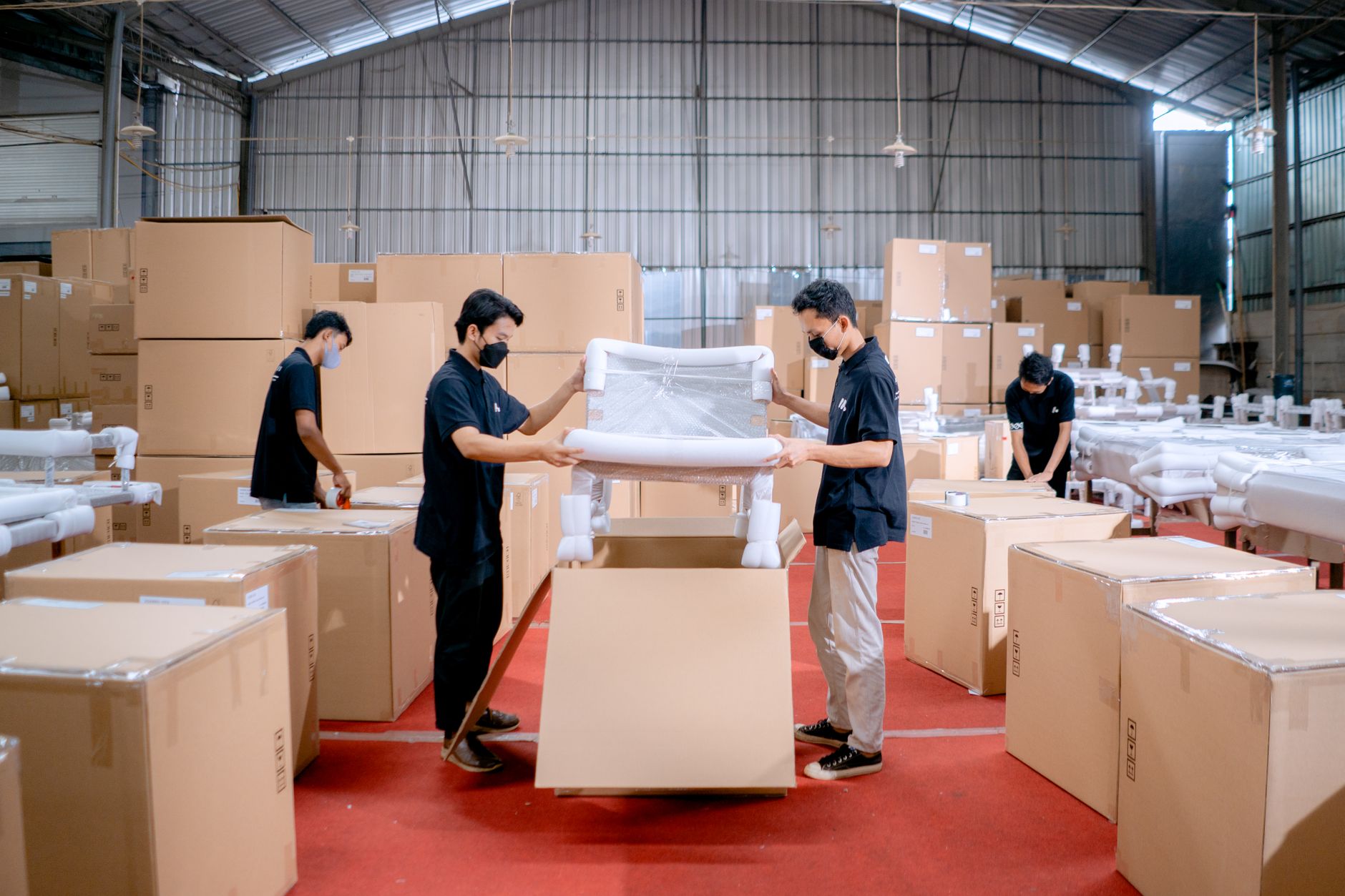
A full-time loop between warehouse and line
Internal logistics depended on one employee picking in the warehouse, driving pallets to the production line, and often returning empty while fielding interruptions along the route.
Leadership estimated that loop consumed more than seven hours every day, effectively dedicating a full role to repetitive transport instead of higher-value production support.
- Manual moves tied up a full-time equivalent on pallet ferrying
- Evening and night shifts needed material staged early by the day warehouse crew
- Preloaded pallets crowded the line and required constant reshuffling
Autonomous pallet robots with shift buffers
The site deployed an autonomous mobile pallet robot with multiple pallet stations, conveyor pick points, and call buttons so operators could summon moves from the line.
Two buffer stations, one at the warehouse and one at production, let the day shift preload pallets for later shifts while the robot swaps empties for full loads overnight without warehouse staff on the floor.
- Automate warehouse-to-line material delivery and empty return
- Install call buttons at the line for full pallet takeaways
- Stage evening and night materials on the warehouse buffer during day shift
- Keep non-warehouse staff out of storage to protect inventory accuracy
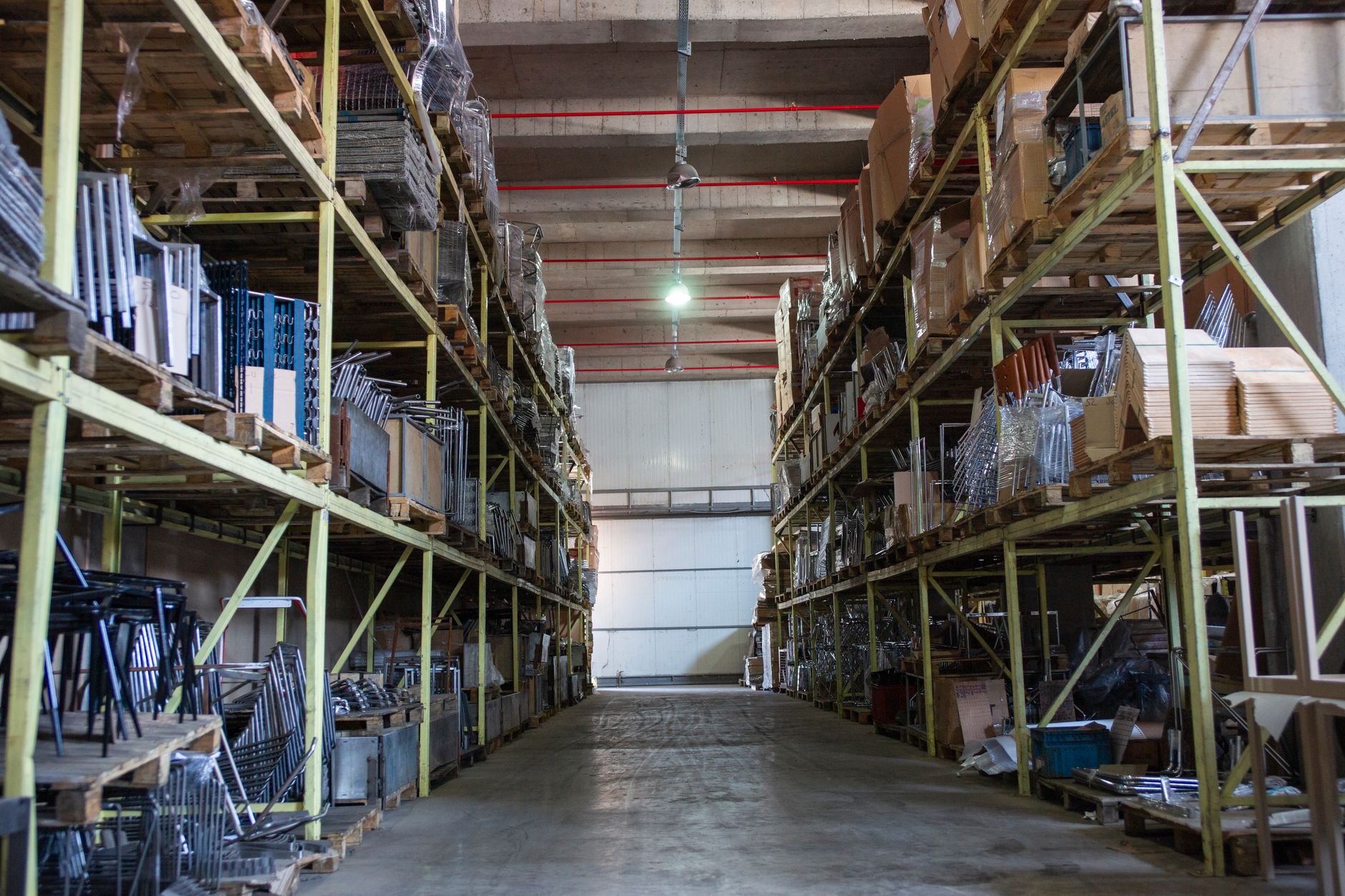
Documented time and floor-space gains
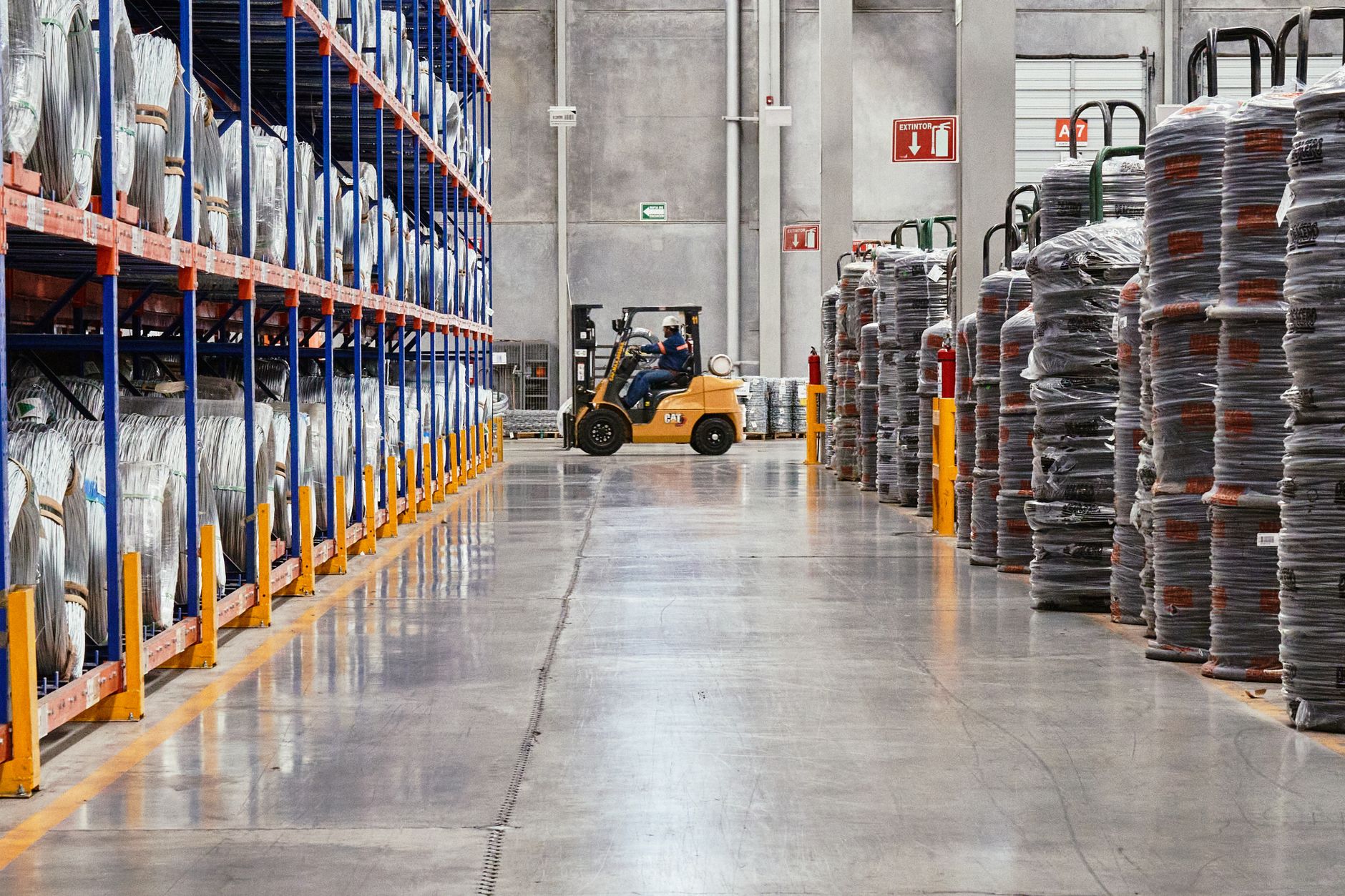
The published deployment reports more than seven hours per day no longer spent on manual warehouse-to-line pallet moves, with one full-time role reassigned to more valuable tasks.
Calculated return on investment came in under eighteen months. Production areas reclaimed space previously used for pre-stacked pallets, and line staff stopped entering the warehouse to grab parts informally.
Lessons for US plants with split warehouse shifts
This example is a documented European deployment, not a Service Robot Co. customer. It still shows how autonomous mobile robot rental or purchase can attack the hidden tax of internal pallet loops when warehouse hours do not match production hours.
Service Robot Co. stays vendor neutral, matches pallet AMRs to your aisles and docks, and bundles financing, integration, training, and nationwide service. A manufacturing plant robot rental pilot on one line can prove cycle time before you scale material handling robot rental across the site.