a busy full-service Mexican restaurant in metro Atlanta
How a Metro Atlanta Mexican Restaurant Reached 25%+ ROI
A documented restaurant case study from metro Atlanta shows how food-running robots eased staffing pressure, supported service, and returned 25%+ ROI.
- 25%+
- estimated ROI
- 60 guests
- event size handled
- 5 servers
- staff used at event
- 69,535
- robot trips
Based on a documented real-world deployment. Figures are from public reporting; the organization is not named.
The pressure point on busy shifts
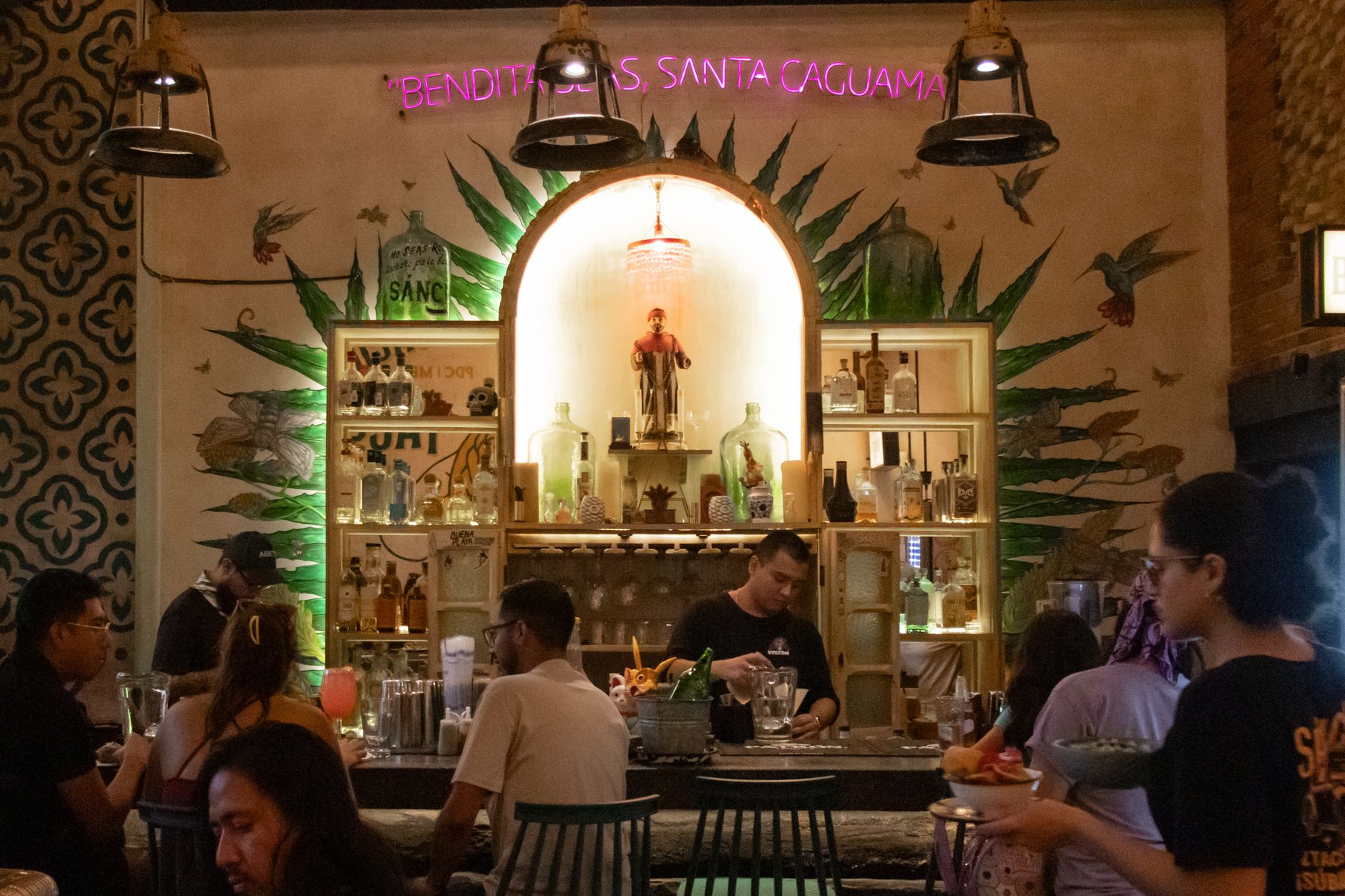
A busy full-service Mexican restaurant in metro Atlanta was running into a familiar restaurant problem. Recruiting reliable servers had become difficult, and the shortage was starting to drag on service consistency, dining-room flow, and staff morale.
The strain showed up in the mechanics of every rush. Servers could carry only four plates at a time, the walk from kitchen to table ate up minutes, and front-of-house staff were pulled into greeting and seating just as food needed to move. During busy periods, the operation was asking too much from too few people.
- Reliable server hiring had become difficult
- Long kitchen-to-table runs slowed service
- Greeting and seating created a front-of-house bottleneck
- Busy shifts put extra physical strain on the team
A focused rollout aimed at food flow
After a full operational assessment in May 2023, the restaurant introduced three service robots. The mix was practical rather than flashy: one unit for guest reception and table escorting, and two food-running robots to take repetitive delivery laps off the serving staff.
That setup addressed two choke points at once. The front-of-house robot absorbed part of the greeting load, while the delivery units moved dishes at higher volume, with capacity for up to 12 plates per run. In effect, the restaurant added a server assistant robot and food running robot layer without asking the existing team to cover every trip themselves.
- Conduct an operational assessment before deployment
- Assign 1 robot to reception and table escorting
- Assign 2 robots to food delivery laps
- Use robots for repetitive runs while servers stay guest-facing
Measured gains in staffing flexibility and throughput
The headline result was financial as well as operational. The operator estimated ROI at more than 25%, and reported that a 60-guest event could be handled with only five servers. For independent operators weighing restaurant automation, that is the clearest signal in the case: the robots relieved staffing pressure in live service, not just in theory.
The longer-run usage figures reinforce that point. Over 24 months, the two food-running units completed 69,535 trips, served 47,462 tables, worked 1,805 hours, and traveled more than 1,110 miles. The source also reports fewer burns, spills, and dropped plates, plus faster table delivery even though kitchen prep times stayed the same.
What this means for restaurant operators evaluating Service Robot Co.
This is a documented real-world example, not a Service Robot Co. deployment. Its value lies in the pattern: a food service robot rental or restaurant delivery robot rental program can make sense when labor shortage robots are filling repetitive runs, while human servers stay focused on guests, upselling, and table care.
Service Robot Co. is a full-service, OEM-neutral commercial robot integrator for US businesses. We act as the vendor neutral robot integrator that helps operators choose the right food running robot, then finance, deploy, integrate, train, and service it through one partner. For restaurants comparing robot as a service, monthly payment programs, lease rental or sale, and robot deployment and integration with maintenance included, the practical advantage is simple: one vendor for the whole lifecycle, with go live support, remote triage, and on-site dispatch behind the fleet.