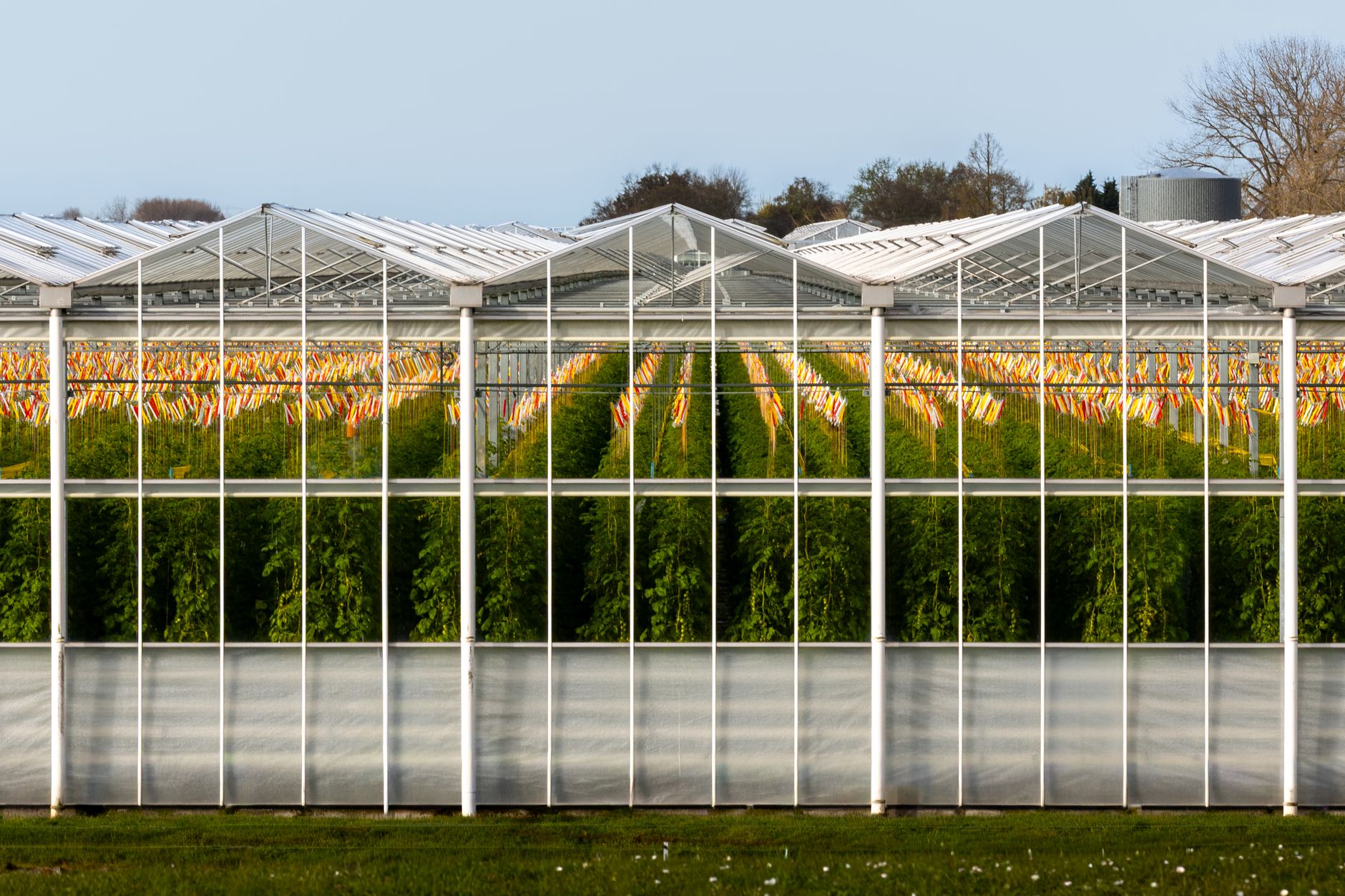
a truss-tomato glasshouse operation in the Netherlands that trials next-generation greenhouse automation
How a Glasshouse Tomato Grower Cut Harvest Labor 80% With Vision Picking
A documented glasshouse trial cut truss-tomato harvest man-hours about 80%, hit a 90% autonomous row success rate, and lowered harvest labor cost about 50%.
- 80%
- fewer harvest hours
- 90%
- row success rate
- 50%
- harvest cost cut
- 0
- human touches on trial row
Based on a documented real-world deployment. Figures are from public reporting; the organization is not named.
Harvest windows that outrun the crew
Truss-tomato picking is one of the most repetitive jobs in a glasshouse. Maturity moves fast, rows are long, and every missed cluster shows up later as waste or rework.
For a truss-tomato glasshouse operation in the Netherlands that trials next-generation greenhouse automation, seasonal hiring and shift coverage made it hard to keep pick timing tight without burning out the best pickers on the same routes every day.
- Hand picking tied skilled labor to the slowest row on the schedule
- Night and weekend coverage was expensive to staff for peak ripeness
- Quality varied when crews rushed to clear a block before heat stress
Rail-mounted vision picking in a live greenhouse
The operation hosted a field trial of a multipurpose greenhouse robot built for automated truss-tomato harvest. The unit runs on greenhouse rails, uses machine vision to find ripe fruit, cuts stems, and boxes trusses without a human walking the row.
Partners mapped a full tomato row inside a breeder experience center so engineers could test picking in real humidity, light, and crop architecture rather than a lab aisle.
- Defined a single-row route with clear start and end markers
- Ran milestone measurements with observers recording success per truss
- Kept human pickers on adjacent rows for quality comparison during the trial
Measured picking performance on a full row
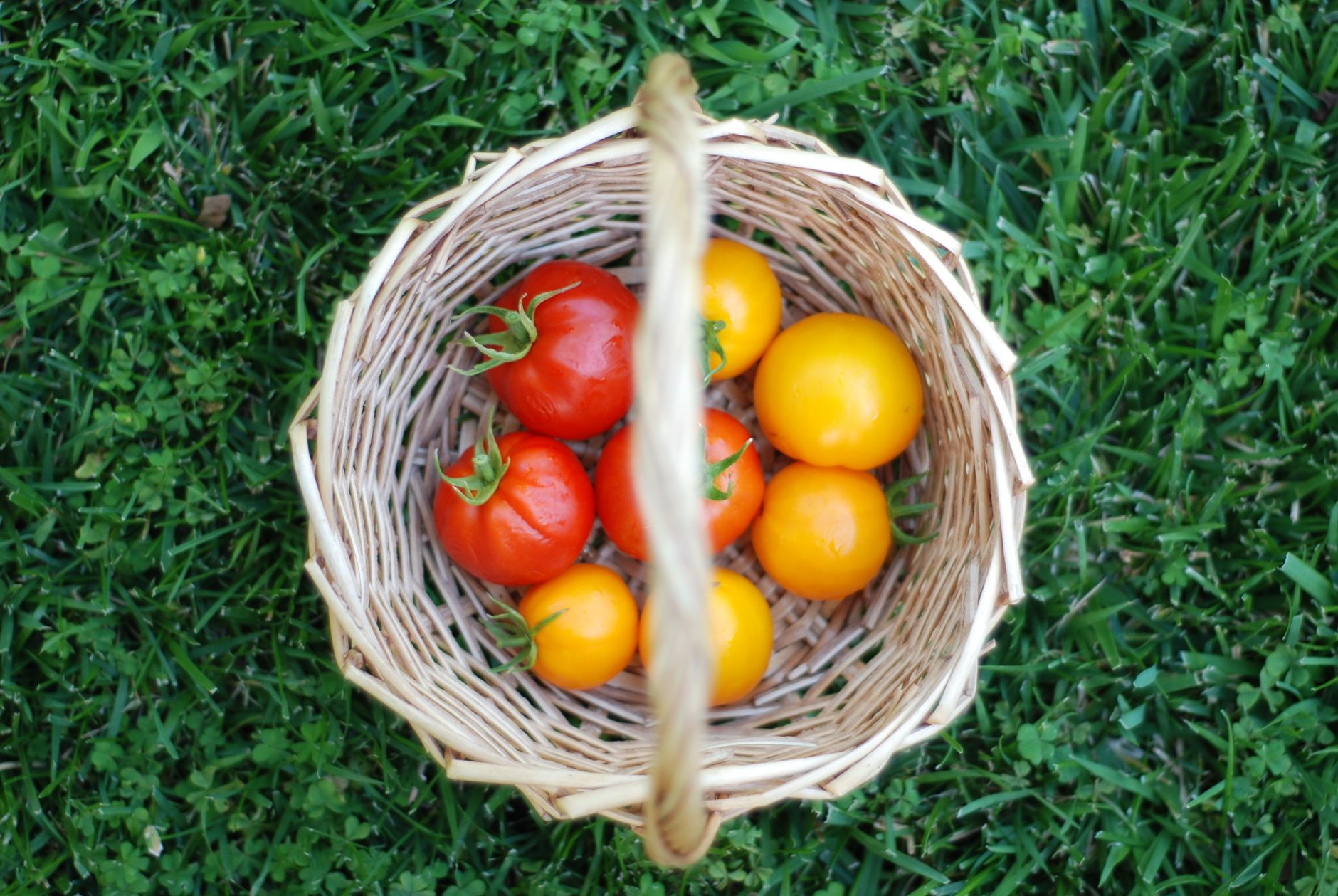
In an official milestone measurement, the robot harvested a complete tomato row with a 90% success rate and no human intervention on that row.
Developers report the system can reduce harvesting man-hours about 80% while cutting harvest labor cost about 50% when applied to truss-tomato work, the most labor-heavy task in many glasshouses.
What U.S. growers can take from the trial
This was not a Service Robot Co. deployment. It is a published example of how vision picking on fixed rails can absorb the most volatile labor in indoor produce.
Service Robot Co. helps U.S. businesses compare harvesting, cleaning, delivery, and intralogistics robots across manufacturers, then folds robot leasing for business, site mapping, training, and nationwide service engineer support into one contract. Month to month robot lease options let a glasshouse or packing shed pilot one aisle before a harvest peak without buying idle equipment in the off season.