
a 300-acre championship golf club in Southern California
Nearly 2,000 Hours and $115K+ Gained in Fairway Mowing
See how a Southern California golf club reclaimed nearly 2,000 labor hours, doubled productivity, and gained upward of $115,000 annually.
- ~2,000
- annual hours reclaimed
- $115K+
- annual value gained
- 4 to 4.5 hr
- all fairways completed
- 2x
- productivity
Based on a documented real-world deployment. Figures are from public reporting; the organization is not named.

Skilled Hours Were Disappearing Into Fairway Mowing
Fairways demand disciplined, repeatable cutting, but conventional mowing tied grounds personnel to operator driven diesel equipment for hours at a time. The club was mowing two to three times weekly, making this recurring assignment a substantial claim on available labor.
Timing compounded the pressure. Crews started at 5 a.m. to remain ahead of golfers and aimed to finish around 9 to 9:30 a.m. Any improvement had to preserve playing conditions, respect nearby residents, and release employees for other agronomic work.
- Reduce the labor absorbed by repetitive fairway passes
- Complete mowing before play advances across the course
- Maintain precise patterns without gouging or slipping on turf
- Cut fuel use and exposure to fuel or hydraulic leaks
Map the Fairways, Then Let Autonomy Carry the Route
The documented deployment used three all electric autonomous mowers. Each fairway was mapped, after which the crew could select a cutting pattern on a tablet and start the assignment.
The machines primarily followed a skip row pattern, cutting alternating passes before returning to complete the intervening rows. This enabled effective 200 inch passes from equipment with a 100 inch cutting width, while independent electric wheel control helped protect the turf.
The source does not describe a phased rollout, formal training curriculum, or service agreement, so none is attributed here. Those details still belong in any commercial robot pilot program, alongside operator training, escalation procedures, and maintenance planning.
- Map each fairway and confirm course boundaries
- Configure the desired cutting pattern
- Schedule autonomous work early enough to remain ahead of play
- Redeploy grounds personnel while the machines complete their routes
More Mowing, Fewer Labor Hours
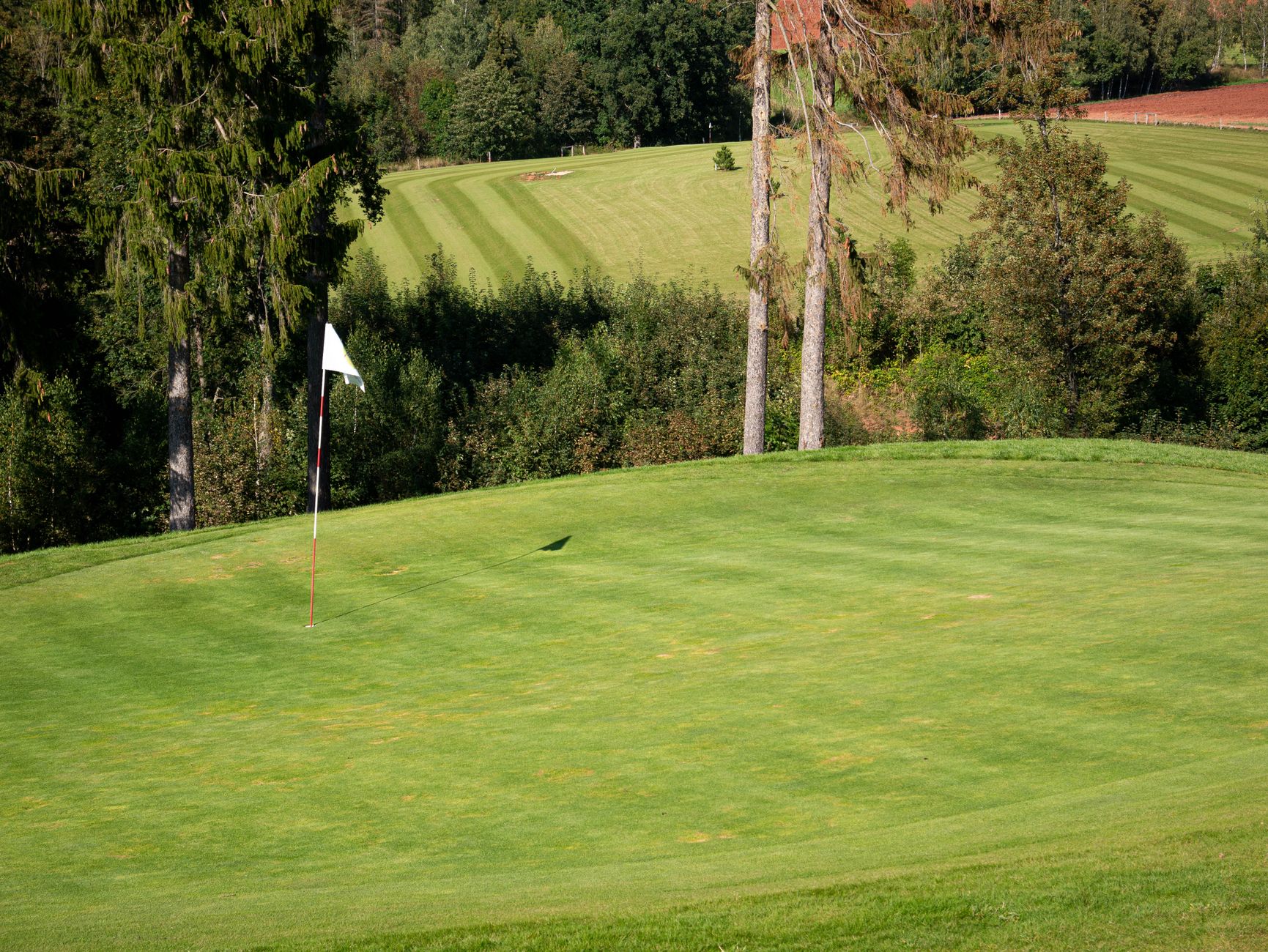
The three autonomous mowers completed all fairways in four to four and a half hours. Mowing frequency rose from two to three times weekly to six times weekly, yet the club reported that personnel productivity doubled.
The operation expected to reclaim about 2,000 labor hours annually, equal to roughly $50,000 in actual yearly labor cost. Management valued the added operating output at about twice that amount, then identified close to $15,000 in annual diesel savings.
Taken together, the source reports financial gains upward of $115,000 per year. That figure combines savings with gained operating value, so it should not be presented as labor savings alone.
What This Evidence Means for a Golf Operation
This is a documented real world deployment that Service Robot Co. analyzes. Service Robot Co. did not run it, and the golf club remains anonymized here.
The lesson is operational: autonomous mowing earns attention when acreage, route repeatability, labor pressure, and the daily play window align. A sound evaluation begins with a free site assessment and site assessment mapping, followed by a controlled pilot with clear measures for cut quality, completion time, staff reassignment, and operating cost.
Service Robot Co. is a full service, OEM neutral commercial robot integrator for U.S. businesses. We select equipment across manufacturers, arrange purchase or monthly payment programs such as leasing, and manage robot deployment and integration, training, go live support, and continuing field service through a nationwide U.S. engineer network. One vendor carries the lifecycle, without suggesting involvement in this particular deployment.