
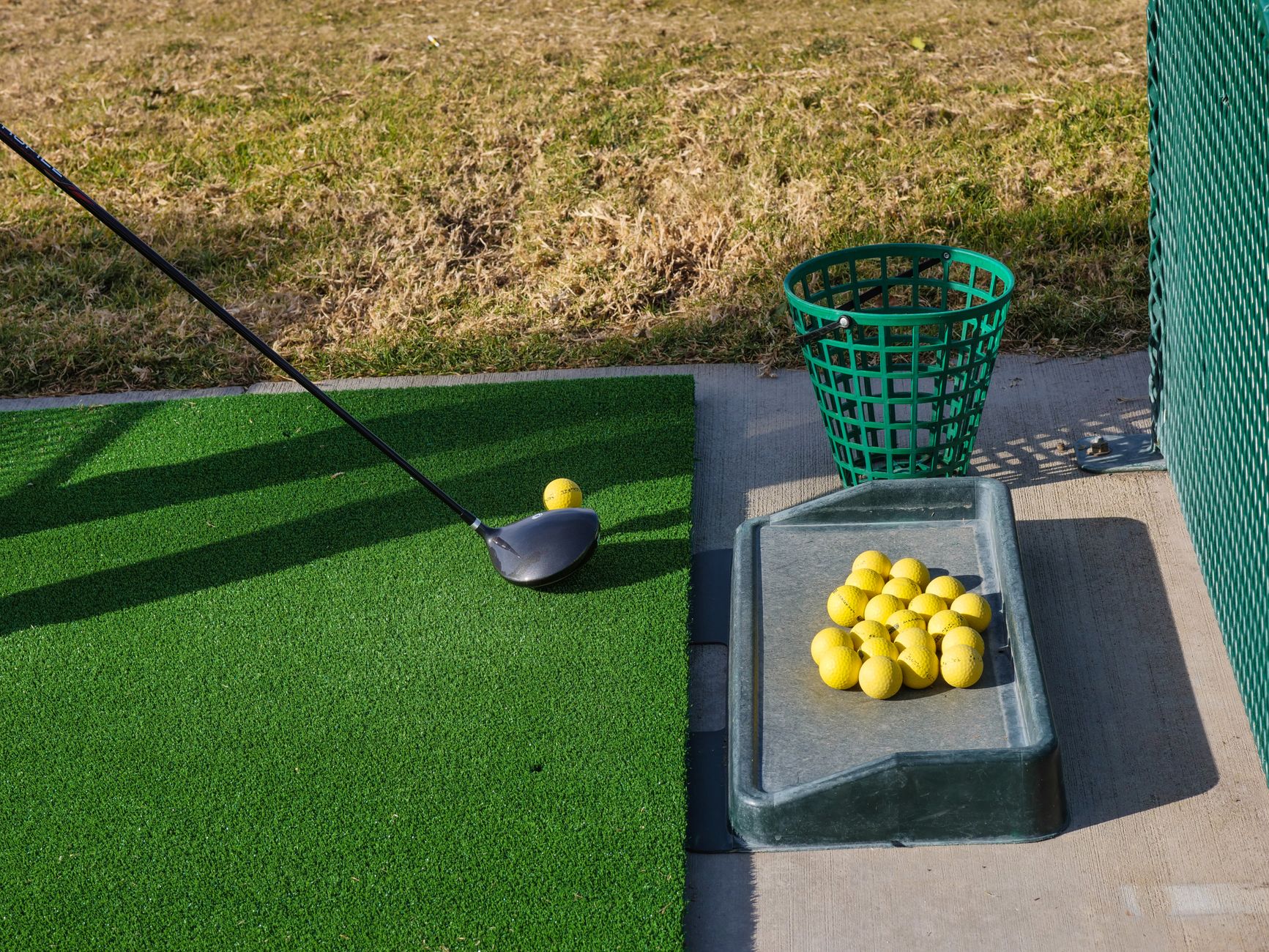
a three-level 300-bay golf practice facility in Japan
Golf Practice Facility Case Study: Pre-Opening Cleaning Cut 50%
A documented example from Japan shows how a three-level 300-bay golf practice facility cut pre-opening cleaning time from about 1 hour to 30 minutes.
- 50%
- Pre-opening cleaning cut
- 30 min
- Combined cleaning time after rollout
- 300 bays
- Practice facility scale
- 266 yd
- Range depth
Based on a documented real-world deployment. Figures are from public reporting; the organization is not named.
The morning reset was eating into the start of day
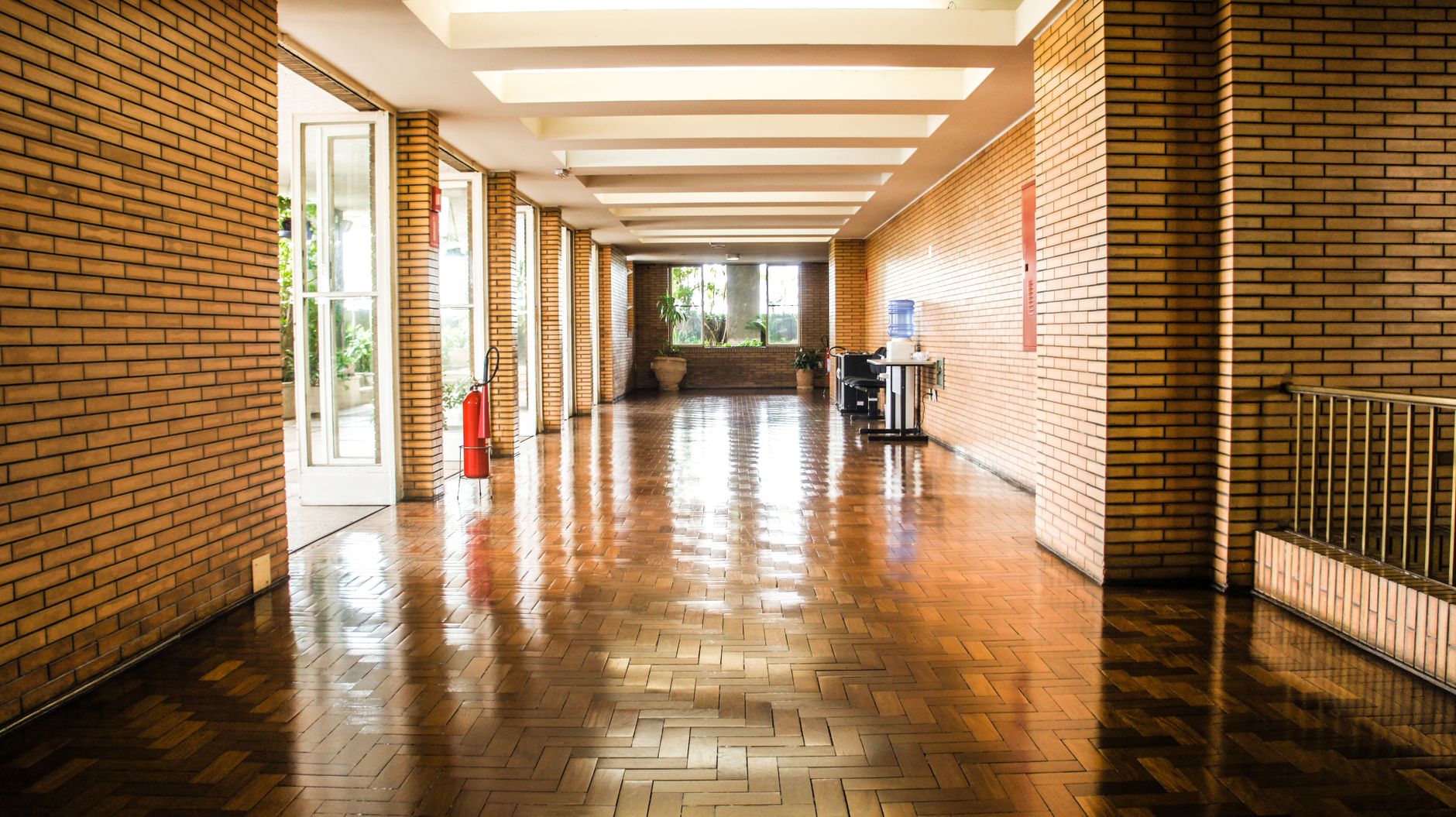
At a three-level 300-bay golf practice facility in Japan, the guest-facing lobby and front desk area had to be cleaned before opening, inside a narrow operating window. The job mattered because the site positions itself as a high-quality practice environment, but the work had to compete with every other opening task.
Before automation, two staff members spent about 1 hour combined on pre-opening cleaning. Even with large manual tools and workarounds, the team could not always cover a wide area thoroughly and consistently, and some detail work was left for later or missed altogether.
- Guest areas needed to look ready before the first customers arrived
- The available labor window before opening was tight
- Wide floor areas were difficult to clean consistently by hand
- Some touchpoints and overlooked areas slipped behind higher-priority opening work
Wide-area cleaning was handed to the robot, not the whole job
The facility began with a five-day trial, then moved to formal adoption after the team saw a practical fit on site and received setup support. The robot took over broad floor coverage in the first-floor lobby and front area, while staff continued the corners, edges, and complex spaces that still needed hands-on attention.
The rollout then extended into the office area used by staff, where routine cleaning had been hard to fit around core work. This is the operational pattern that tends to hold up in sports facilities: let the machine absorb repeatable floor coverage, keep people on detail work, front-of-house prep, and the tasks that still require judgment.
- Start with a short on-site trial
- Map the robot to the broadest guest-facing floor area first
- Keep manual cleaning for corners and intricate zones
- Extend automation into back-of-house spaces where routine cleaning competes with core duties
- Use ongoing support to adjust fit and keep the program practical
The gain was simple, concrete, and operationally useful
The documented result was a 50% reduction in pre-opening cleaning time. What had taken about 1 hour total with two staff members dropped to 30 combined minutes, reported as 15 minutes per person.
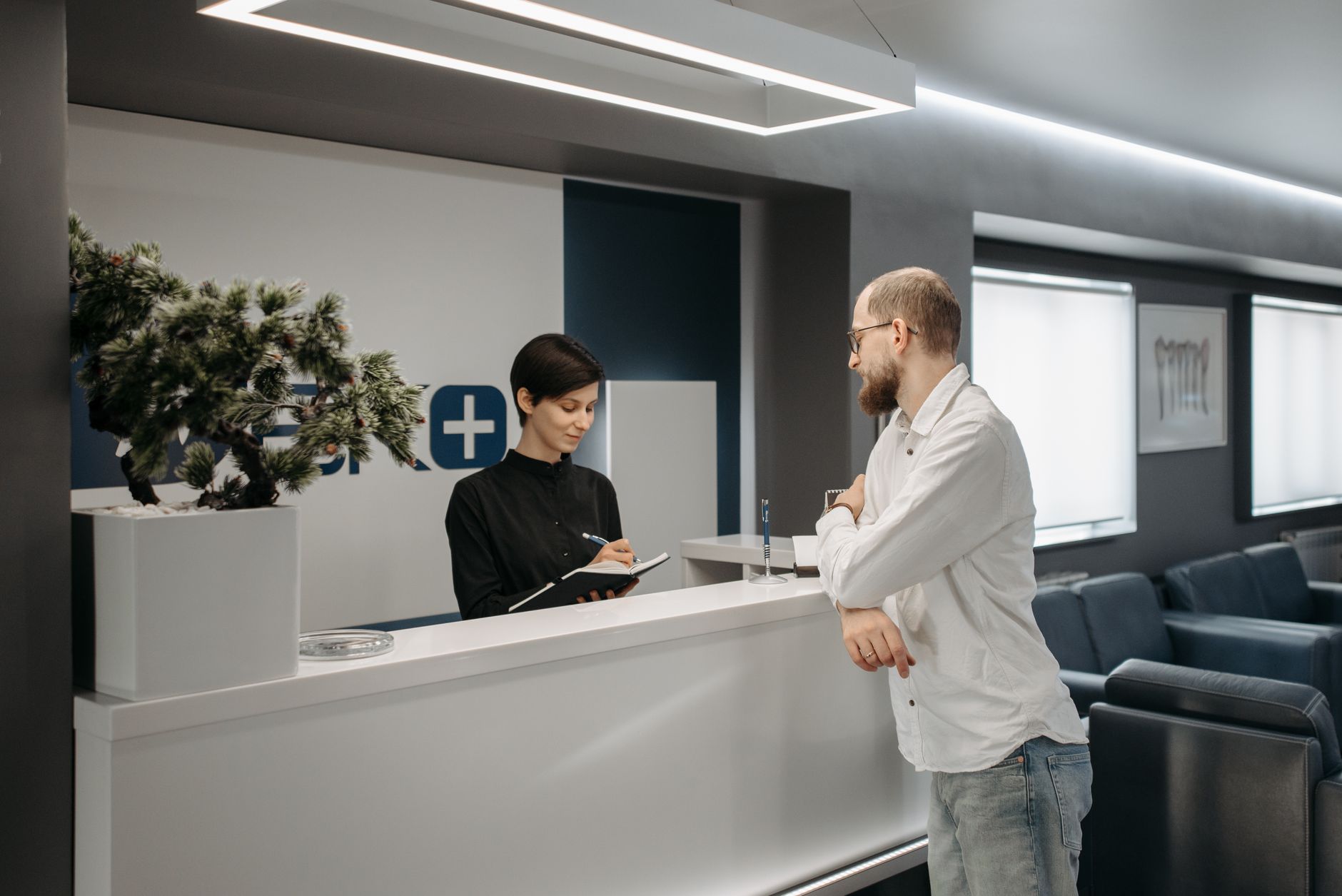
That recovered time did not vanish into idle labor. Staff were able to spend more attention on front-of-house readiness and on cleaning tasks that had previously been pushed back, such as wall surfaces near the register and digital signage screens. The source also reports broader cleaning coverage, improved cleaning quality, and more efficient backspace cleaning.
What this means for U.S. operators evaluating Service Robot Co.
This example is useful because the win did not come from pretending a cleaning robot replaces every janitorial task. It came from assigning the machine the repeatable, wide-area floor work and preserving people for detail cleaning and opening prep. That is exactly the kind of operating fit a commercial cleaning robot lease program has to get right before it earns trust on a live floor.
Service Robot Co. is built around that full lifecycle for U.S. businesses. As a brand-independent, vendor neutral robot integrator serving all 50 US states, it helps customers choose the right robot, finance it through purchase or lease options that include monthly structures, deploy and integrate it on site, train the team, and support the fleet through one service relationship. For a sports facility, that means one partner for robot deployment and integration instead of a patchwork of vendors.