a major grocery retailer operating more than 100 locations
How Grocery Floor Care Reallocated 33,649 Labor Hours
A documented grocery cleaning case study: more than 100 locations reallocated 33,649 labor hours in 2024, showing the case for scalable floor care.
- 100+ stores
- locations in rollout
- 33,649 hrs
- labor reallocated in 2024
- $2.1M+
- reported annual value
Based on a documented real-world deployment. Figures are from public reporting; the organization is not named.
Making floor care repeatable across the estate
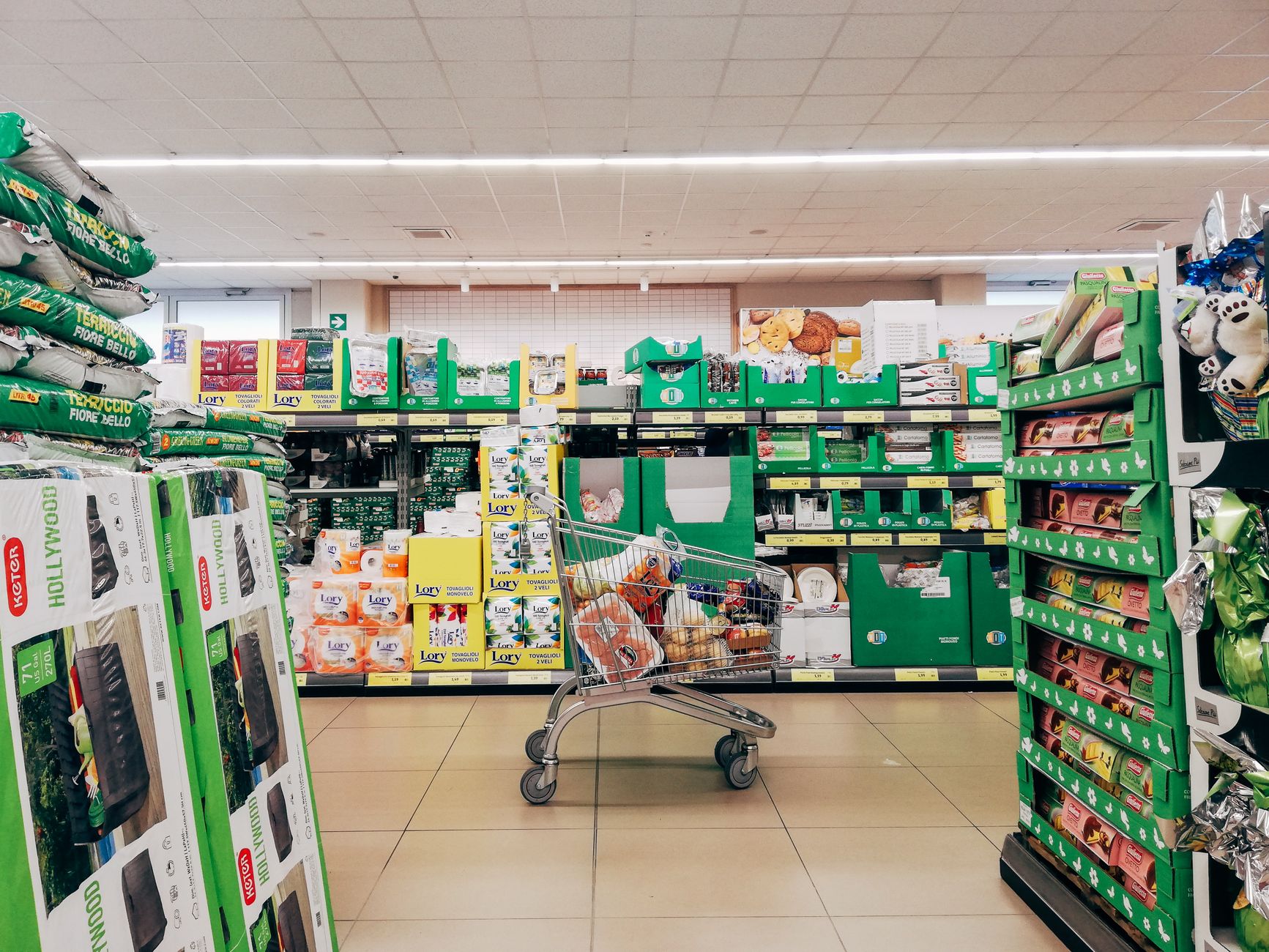
A major grocery retailer operating more than 100 locations needed floor care that could hold a dependable standard at store scale. The work had to fit the cadence of active retail environments while preserving team capacity for customer-facing priorities.
Manual floor cleaning is necessary work, but it competes with the many tasks that keep a grocery store ready for shoppers. The retailer's starting point was a test, then a decision to extend autonomous cleaning across its estate.
- Maintain consistent cleaning operations across more than 100 locations
- Redirect store labor toward customer-facing priorities
- Move from a test to a chain-wide operating model

From test to chain-wide deployment
The documented program began with a test of autonomous floor cleaning and grew into a rollout spanning more than 100 stores. That sequence matters. It gave the retailer a practical basis for taking a repeatable floor-care process beyond a single site.
For grocery operators considering a grocery store cleaning robot, the useful lesson is not that every building is identical. It is that a phased rollout can establish a common operating rhythm before autonomous cleaning robots are introduced across a broad store network.
- Start with a test in the retail environment
- Extend the operating model across more than 100 locations
- Use autonomous cleaning to support store teams, not displace customer-facing work
Labor moved where stores needed it most
In 2024, the retailer reallocated 33,649 labor hours through the deployment. The source also reports more than $2.1 million in annual value, alongside improved cleaning operations and a stronger focus for employees on customer-facing priorities.
Those figures give the case its weight. A retail floor cleaning robot can make floor care more consistent, but the business value in this documented example came from turning repetitive cleaning time into capacity the store team could apply elsewhere.
A scalable model needs one accountable partner
This is a documented real-world example, not a Service Robot Co. deployment. Its relevance is operational: large facility coverage depends on choosing a robot that fits the floor, then carrying the program through mapping, go-live support, training, maintenance, and service as the footprint grows.
Service Robot Co. is a full-service, OEM-neutral commercial robot integrator for US businesses. We select across manufacturers, finance, deploy, integrate, train, and service each unit through a nationwide US engineer network. For an operator evaluating commercial cleaning robot rental, robot leasing for business, or lease rental or sale, that means one partner and one number for the robot lifecycle.