a medical products distribution campus in the Indianapolis metro
How a Healthcare DC Raised Lines Picked 54% by Pairing Pickers With Mobile Robots
A medical products distribution campus paired pickers with collaborative AMRs, raising lines picked 54% while cutting walking and improving order accuracy.
- +54%
- lines picked
- 24
- mobile robots
- Less
- cart walking
- Higher
- order accuracy
Based on a documented real-world deployment. Figures are from public reporting; the organization is not named.
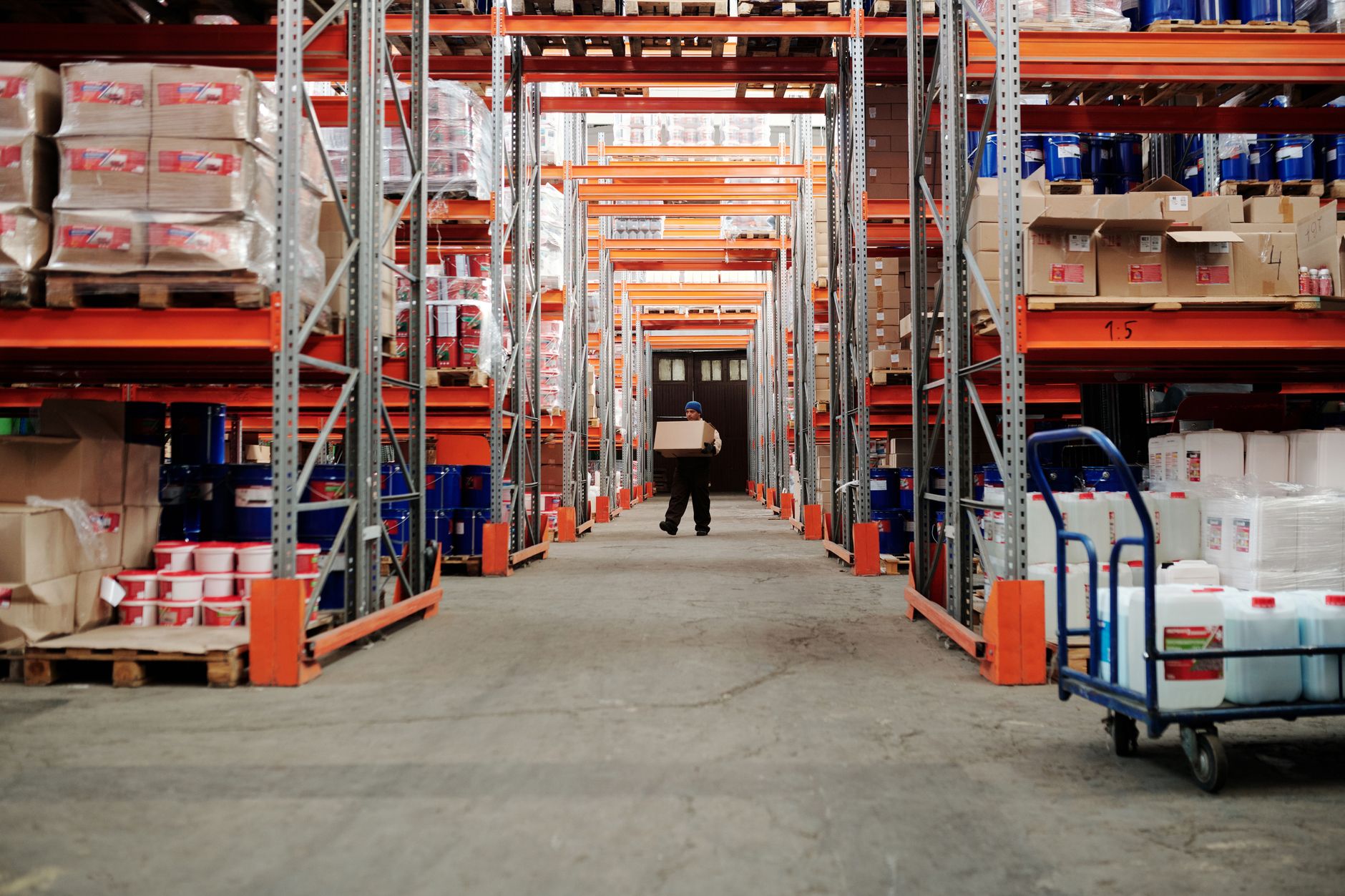
Miles of cart pushing in healthcare DC aisles
The campus fulfills regulated medical and healthcare products where order accuracy and traceability matter as much as speed. Associates picked to carts that they pushed through long aisles, which turned every multi-line order into repeated walking and stopping.
Physical strain from stepping on and off pallet jacks and pushing loaded carts made retention harder in a tight labor market. Supervisors also lost time when pickers queued at congested aisles during peak waves.
Leadership wanted flexible automation that could scale with volume without bolting down fixed conveyor paths for a workflow that still changes by customer and SKU mix.
- Long walking loops on every multi-line pick
- Ergonomic strain from cart and jack work
- Peak-hour aisle congestion at pick faces
Robots meet pickers in the aisle
The operation deployed a fleet of collaborative autonomous mobile robots designed for assisted order picking. Software orchestrates which robot meets which associate, so humans pick into totes on the robot instead of hauling carts back to pack stations.
Pickers stay at the active pick face while robots handle travel between zones. Training focused on calling robots, confirming tote IDs, and keeping high-touch SKUs on verified scan paths.
Because the robots ride existing floors without a wire-guided grid, the team could start on the busiest healthcare SKU lanes and expand once supervisors saw stable handoffs at shift change.
- Map high-travel pick zones and hot SKUs
- Pilot robot-to-picker meetings on one shift
- Expand fleet after accuracy checks held
- Reassign freed time to exception handling

Throughput and ergonomics moved together
After rollout, the site reported a 54% increase in lines picked compared with the prior cart-based process. Associates spent less time walking and more time at the pick face, which also supported better order accuracy on regulated product lines.
Workplace ergonomics improved because pickers were not constantly mounting pallet jacks or wrestling heavy carts through traffic. Morale benefits showed up in retention conversations once the physical grind of the job eased.
This example is a documented third-party deployment analyzed for operators considering similar assisted-picking programs, not a Service Robot Co. customer engagement.
What this means for your DC
Healthcare and regulated distribution cannot trade accuracy for speed. Assisted picking AMRs target the non-value miles while keeping humans on verification and exceptions.
Service Robot Co. compares autonomous mobile robot rental, lease, and purchase options across vendors, then maps orchestration, training, and service through a nationwide network of regional service engineers.
If your pickers still lose hours to cart travel, a free site assessment can show whether a 54% class gain is realistic on your SKU profile before you commit capital.