
a heavy-equipment fabrication shop building large mining truck bodies
Heavy-Equipment Fabrication Case Study: 1,000 Cleanup Hours Cut
A heavy-equipment fabrication shop cut cleanup on mining truck bodies by 1,000 hours after moving plasma trimming to a cobot and doubling welding output.
- 1,000 hrs
- cleanup saved
- 80%
- cut time in cleanup
- 12 hrs
- trim time per truck
- 2x
- welding output
Based on a documented real-world deployment. Figures are from public reporting; the organization is not named.
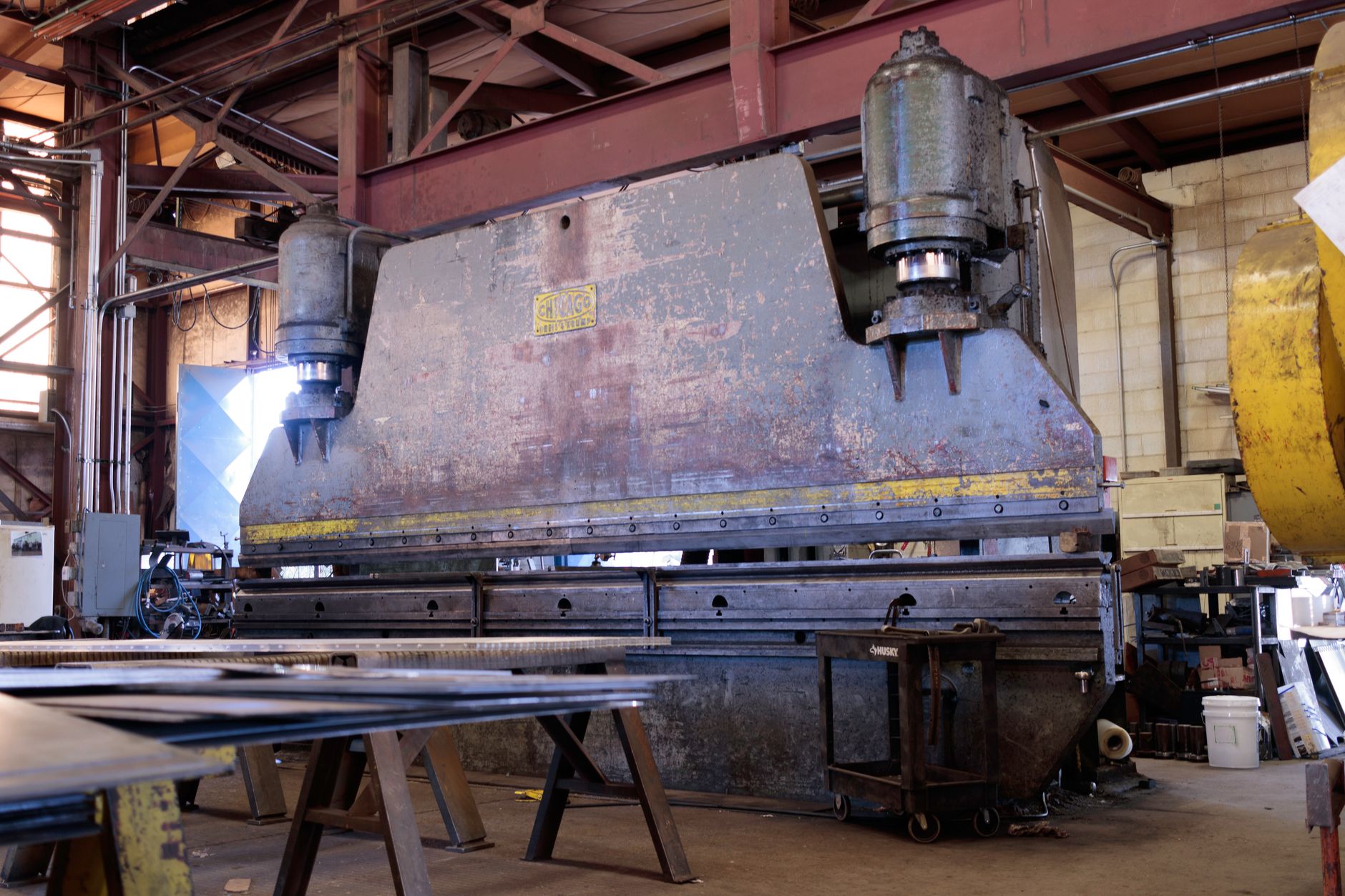
Where the Waste Was Hiding
This was not a tidy, repeatable line with small parts flowing through fixed stations. The shop was building large mining truck bodies in a low-volume, high-mix environment, and the workpieces were awkward enough that traditional fixed automation was a poor fit from the start.
The deepest drag sat after the torch, not during it. Manual plasma cutting left dross on the underside of the plate and jagged edges from operator repositioning on long cuts, and the source says cleanup consumed 80 percent of plasma-cutting time.
Welding brought a second constraint. Truck bodies with seven large fillet-welded ribs spaced 3 to 4 feet apart forced long passes in a demanding posture, so the shop was managing both rework and ergonomics at the same time.
- Low-volume, high-mix fabrication of very large workpieces
- Extensive cleanup after manual plasma cutting
- Seven fillet-welded ribs spaced 3 to 4 feet apart on each truck body
- Large parts that were difficult to move through a fixed robot cell
Bring the Robot to the Work
The shop started with the messiest bottleneck first. It introduced a collaborative robot for plasma cutting on large metal parts so the cut path stayed more precise and the grinding and joint cleanup that followed could be reduced or removed.
Then it carried the same logic into welding. Because the workpieces on that side weighed over 15 tons, the team built a mobile welding skid and lift so the robot could travel to the truck body and reach the full seam on a 7th axis.
The rollout also stayed close to the operator. The case describes shop-led programming, an easy interface, and training resources that helped personnel improve cuts and welds even with minimal robotics experience, which is exactly the kind of adoption pattern heavy fabrication plants need.
- The first move targeted plasma trimming, where cleanup dominated the clock
- The next move extended the concept into MIG welding
- A mobile skid and lift brought the robot to workpieces weighing over 15 tons
- The welding setup used a 7th axis to reach the full weld length
- Operators used simulation and training resources to build and refine programs
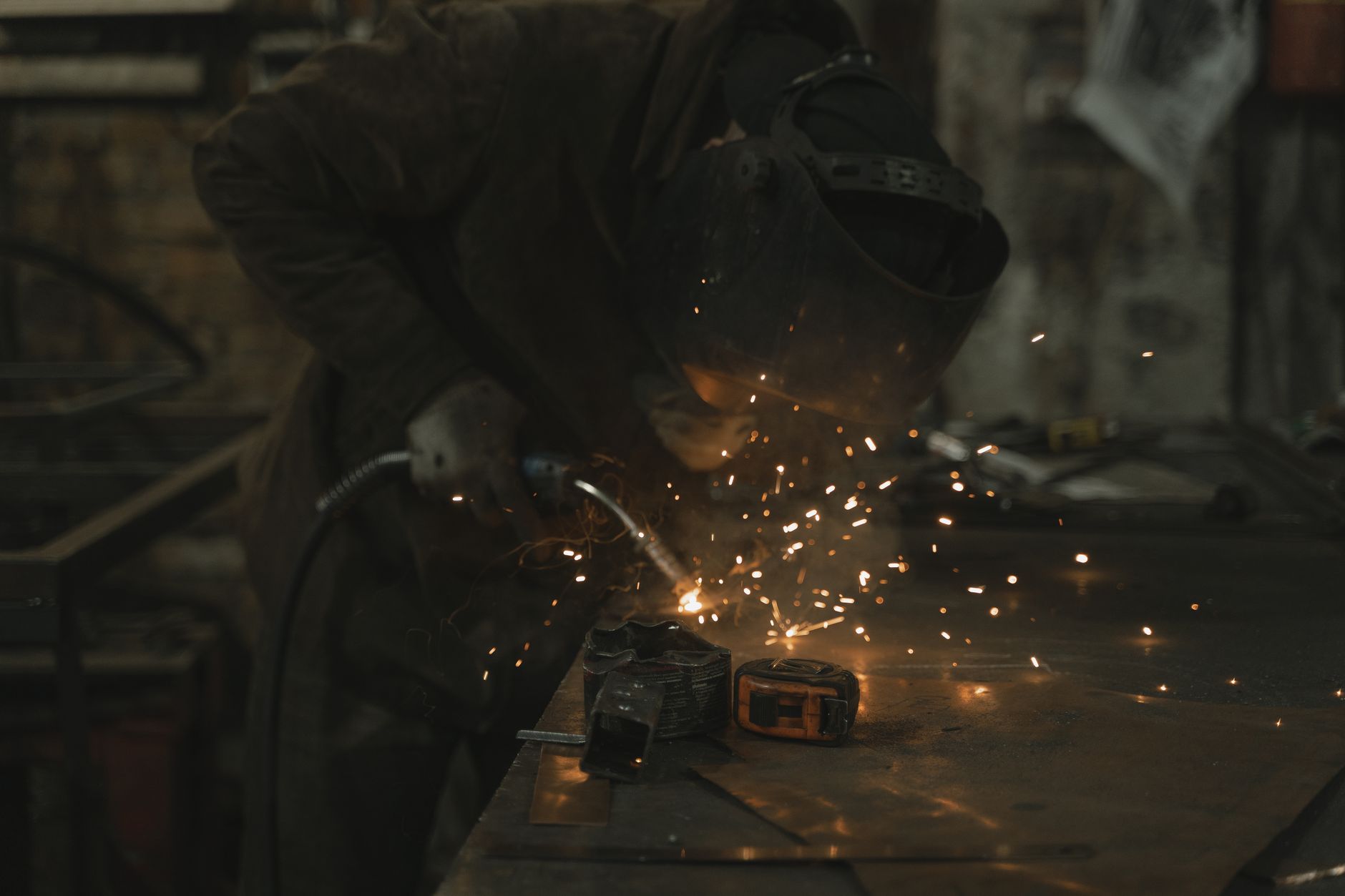
Rework Collapsed and Welding Output Climbed
The plasma cell produced the headline result. On one large truck body contract over the next 3 years, trimming that would have run more than 50 hours for every truck fell to 12 hours per truck, which the source says saved 1,000 hours on that project alone.
That gain mattered because it came from removing downstream rework. The robotic cuts eliminated the dross and jagged edges shown in the source comparison, so the shop was not burning labor on grinding and cleanup after the part was already cut.
The second robot setup broadened the value story. In welding, a human welder worked one rib while the robot handled the next, effectively splitting the work in half and doubling output while making the job less strenuous.
What This Means for US Fabricators
Service Robot Co. did not run this deployment. The value of this documented example is the pattern it exposes: in heavy fabrication, the best automation target is often the station that creates rework downstream, not the station that merely looks repetitive from a distance.
That is where Service Robot Co. fits. We are a full-service, OEM-neutral, vendor neutral robot integrator for US businesses, helping plants evaluate commercial robot leasing, cobot leasing for manufacturing, robot leasing for business, and purchase or lease structures when a project needs financial flexibility. Then we handle site assessment mapping, robot deployment and integration, staff training, go live support, and ongoing service through one partner and one number.
For large weldments and cut parts, the whole lifecycle matters as much as the arm itself. A phased deployment no shutdown, remote triage, on-site dispatch, and a robot maintenance service plan make it easier to run a commercial robot demo, start a robot pilot program, and scale only after the numbers are real.