
a European machining operation producing components up to 1.5 meters long
Robotic Machine Loading Cuts Clamping Time to 2 Minutes
See how robotic machine loading cut clamping from up to 15 minutes to 2 minutes, raised productivity 10%, and added 300 components annually.
- 2 min
- robotic clamping time
- Up to 15 min
- previous clamping time
- 10%
- productivity increase
- 300/year
- additional components
Based on a documented real-world deployment. Figures are from public reporting; the organization is not named.
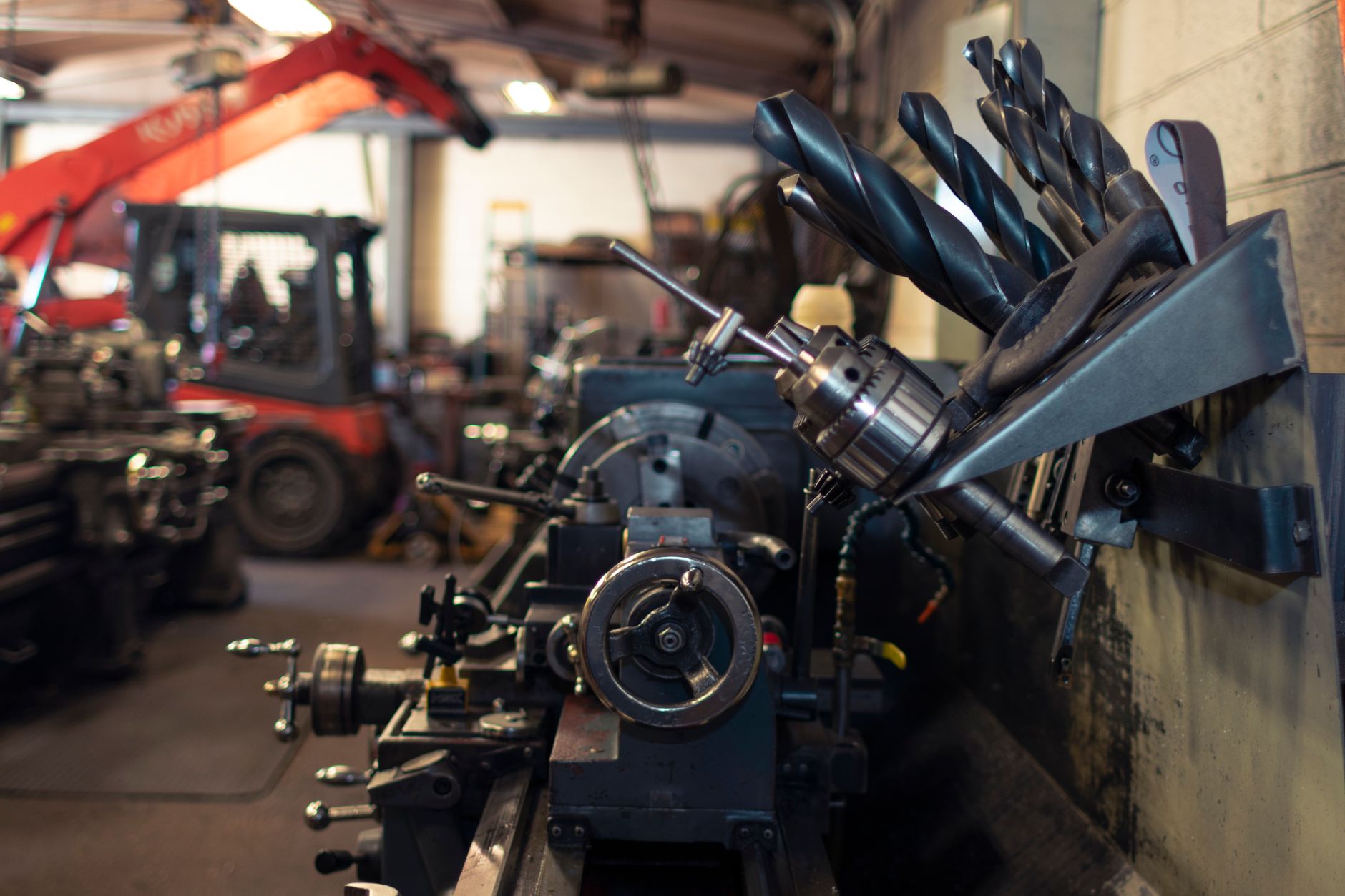
Heavy parts made every setup a delicate lift
Before automation, an operator used a crane to place each heavy workpiece on the clamping table. The part then had to be aligned precisely and secured before machining could begin, pushing clamping time as high as 15 minutes.
The work demanded physical effort and careful crane control. A misplaced load could damage expensive clamping equipment, while every minute spent positioning metal was a minute the machining center was not producing finished components.
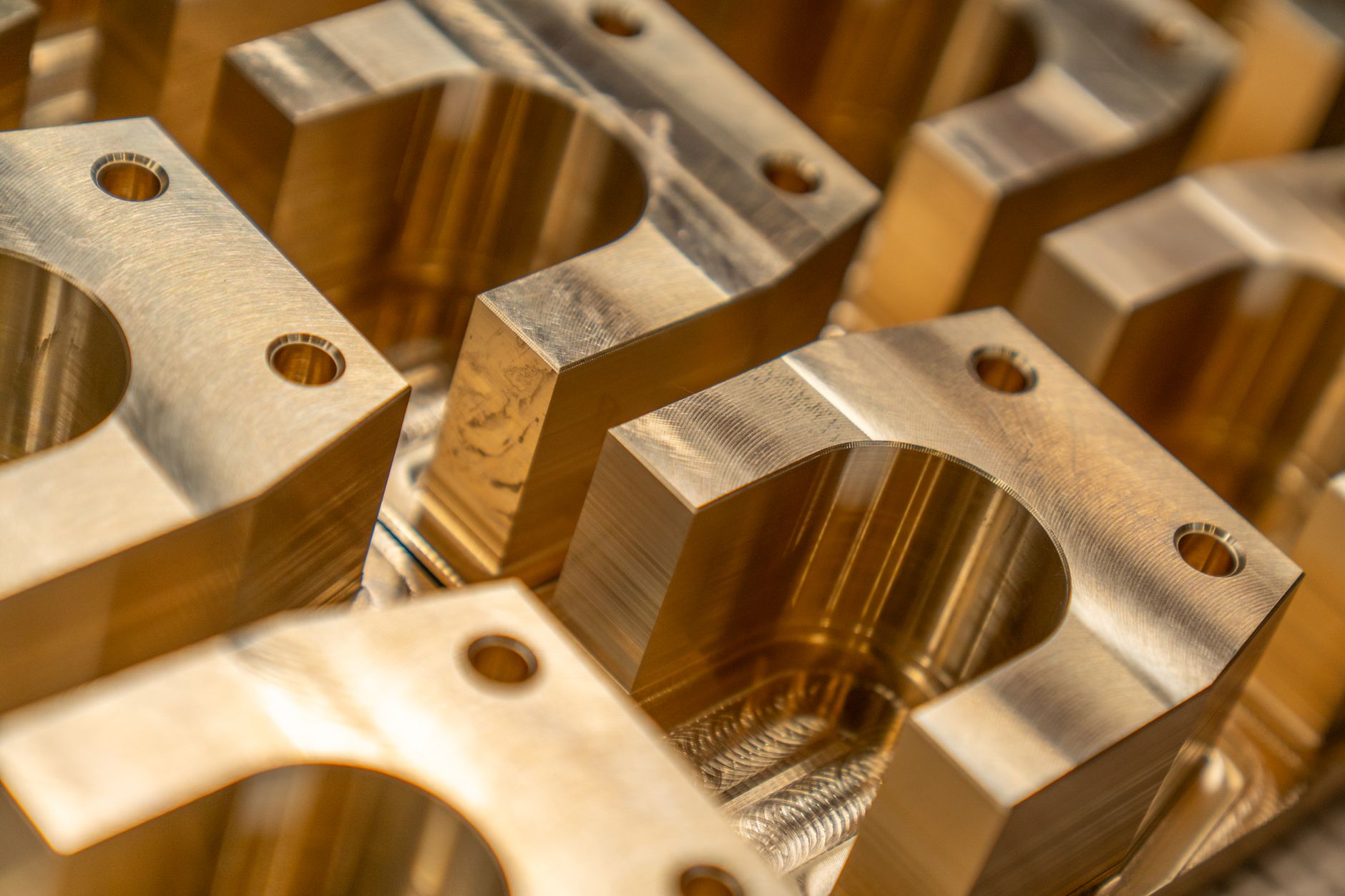
Part geometry compounded the handling problem. The operation machined components measuring up to 1.5 meters long, so any machine tending robot needed the reach, payload capacity and tooling access to manage substantial workpieces accurately.
- Crane-assisted loading created a slow, operator-dependent setup sequence.
- Manual alignment placed a physically demanding task on skilled personnel.
- Fixture damage remained a risk during loading and unloading.
- Large workpieces required ample reach across the machine, material feeder and gripper rack.
A loading cell built around machine availability
The operation introduced a robotic machine-loading cell with a gripper, a material feeder and a double pallet changer. Operators placed workpieces on simple feeder locations, leaving the robot to load, align and unload them at the machining center.
While the machine worked on one pallet, the other could move outside the machining area for loading. This arrangement kept handling activity from interrupting the cutting process and turned otherwise nonproductive time into useful work.
Robot selection centered on workspace and reach. The chosen arm could access the material magazine and gripper rack, while controller software allowed motion programs to be written in the same G-code format used for machine-tool programming.
The published account documents the equipment selection and cell architecture, but it does not describe a phased rollout, operator training program or service arrangement. Those elements should therefore not be presented as measured features of this deployment.
- Stage workpieces on accessible material-feeder locations.
- Use robotic handling for loading, alignment and unloading.
- Alternate pallets so loading and machining can proceed concurrently.
- Program robot motion in a familiar machine-tool language.
Thirteen minutes removed from the clamping sequence
Robotic handling reduced the task from up to 15 minutes to 2 minutes. The improvement came from replacing crane positioning and manual alignment with a repeatable loading path directly into the fixture.
The documented productivity gain was 10%. Compared with a conventional arrangement, the operation could machine 300 additional components each year.
The machining center also ran 70% unmanned and supported fully automated night shifts. Beyond throughput, robotic loading removed the operator's physically demanding alignment work and eliminated the crane-related risk to the expensive clamping equipment.
What this evidence means for a US machining plant
This is a documented industry example analyzed by Service Robot Co., not a Service Robot Co. client deployment. Its value lies in the operating pattern: machine loading can create a sizable gain when setup labor, alignment and fixture exposure constrain an otherwise productive machining center.
Service Robot Co. acts as a full-service, OEM-neutral commercial robot integrator for US businesses. We evaluate the part, fixture, machine interface and production rhythm, then select the machine tending robot across manufacturers instead of forcing the application into a single catalog.
We carry robot deployment and integration through financing, installation, programming, commissioning, training and ongoing service. Robot leasing for business and monthly payment programs can also be evaluated alongside purchase, with maintenance structured around the deployment.
A nationwide US engineer network provides remote triage and on-site dispatch after go-live. The practical benefit is one vendor for the entire lifecycle, from site assessment and cell selection through operator adoption and commercial robot repair service.
Frequently asked questions
Want a robot working for you?
Tell us the job and the site. We will recommend the robot, quote the lease, and keep it serviced.