
a US heavy-duty components manufacturer handling lead materials
Robotic Press Tending Raises Daily Output From 1,200 to 3,000
See how a robotic press-tending cell raised daily production from 1,200 to 3,000 units while reducing direct worker contact with lead materials.
- 3,000
- units produced daily
- 1,200
- previous daily output
- 1 press
- needed for new output
- 2 weeks
- to full operation
Based on a documented real-world deployment. Figures are from public reporting; the organization is not named.
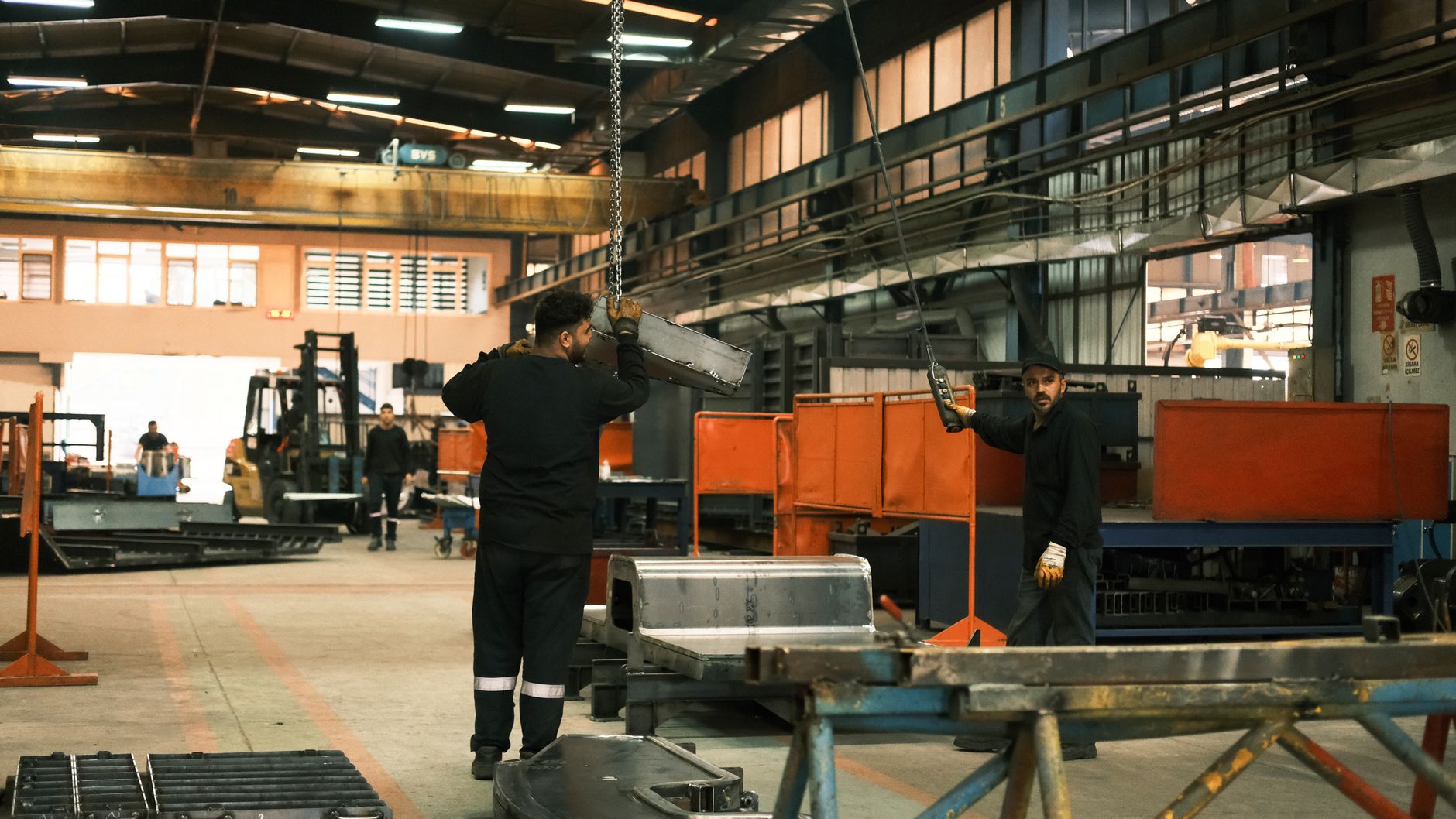
Heavy handling, constrained production
A US heavy-duty components manufacturer handling lead materials relied on employees to manipulate heavy, cumbersome stacks. The work carried ergonomic concerns and prolonged direct contact with a semi-hazardous material.
Cycle inefficiency imposed another penalty. The labor-intensive process produced 1,200 units per day, while difficulty finding and retaining dependable labor made the operating model harder to sustain.
The assignment was not simply to add speed. Any new cell had to manage lead plates, prepare the press correctly, move finished stacks onward and place employees at a safer remove from the material.
- Heavy stacks created demanding manual handling
- Lead exposure raised workplace safety concerns
- Inefficient cycles restricted daily production
- Labor recruitment and retention added operational pressure
A coordinated press-tending cell
Operators were positioned outside the cell, where they loaded lead plates and stacks into staging areas. A SCARA robot transferred the plates to a turntable and indexed them for the next operation.
A press-tending robot then picked multiple lead stacks, lubricated the die to prevent sticking and placed fresh stacks for pressing. Completed stacks moved automatically onto an outfeed conveyor, removing much of the direct handling from the cycle.
The cell was modeled with 3D visualization before installation so its layout and workflow could be refined in advance. Employees also gained skills as automation operators, making workforce development part of the deployment rather than an afterthought.
The published account does not describe a phased rollout or continuing service arrangement. It does report that a ramp expected to take 1 month reached full operation in 2 weeks.
- Stage lead plates and stacks outside the guarded cell
- Transfer and index plates for controlled presentation
- Lubricate the die and tend the press automatically
- Offload finished stacks to the outfeed conveyor
- Prepare employees to operate the automated process
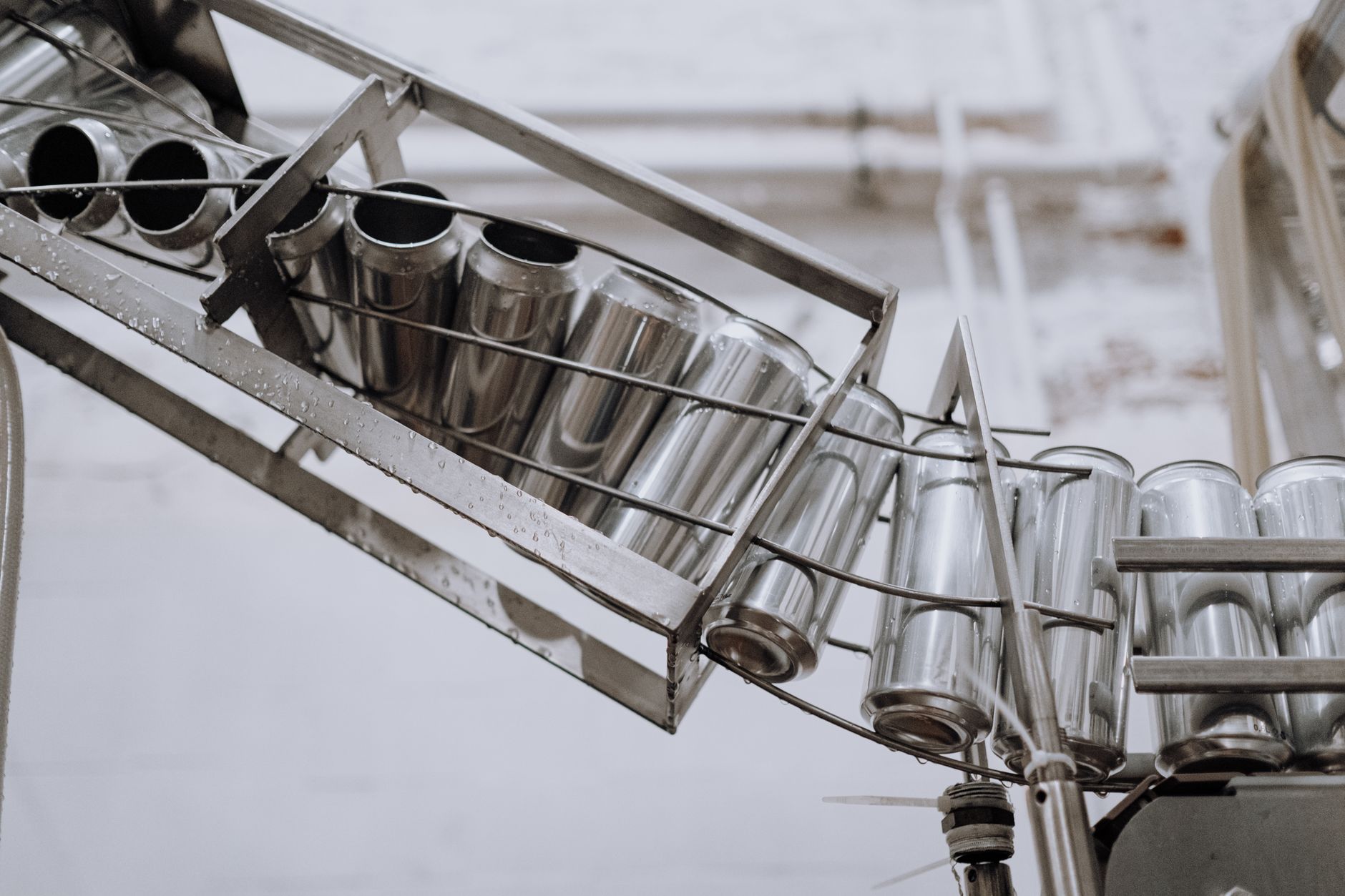
More output from a single press
Daily production rose from 1,200 to 3,000 units. The new level was achieved with only 1 press operating, confirming that the constraint was the surrounding handling cycle rather than press availability alone.
The cell also moved semi-hazardous product out of operators' hands and reduced prolonged direct contact with lead. Heavy, repetitive handling gave way to staging and automation-operator duties.
Commissioning moved faster than expected. Full operation was reached in 2 weeks against an anticipated 1-month ramp, although that result should be treated as evidence from this specific installation rather than a universal deployment promise.
What this pattern means for manufacturers
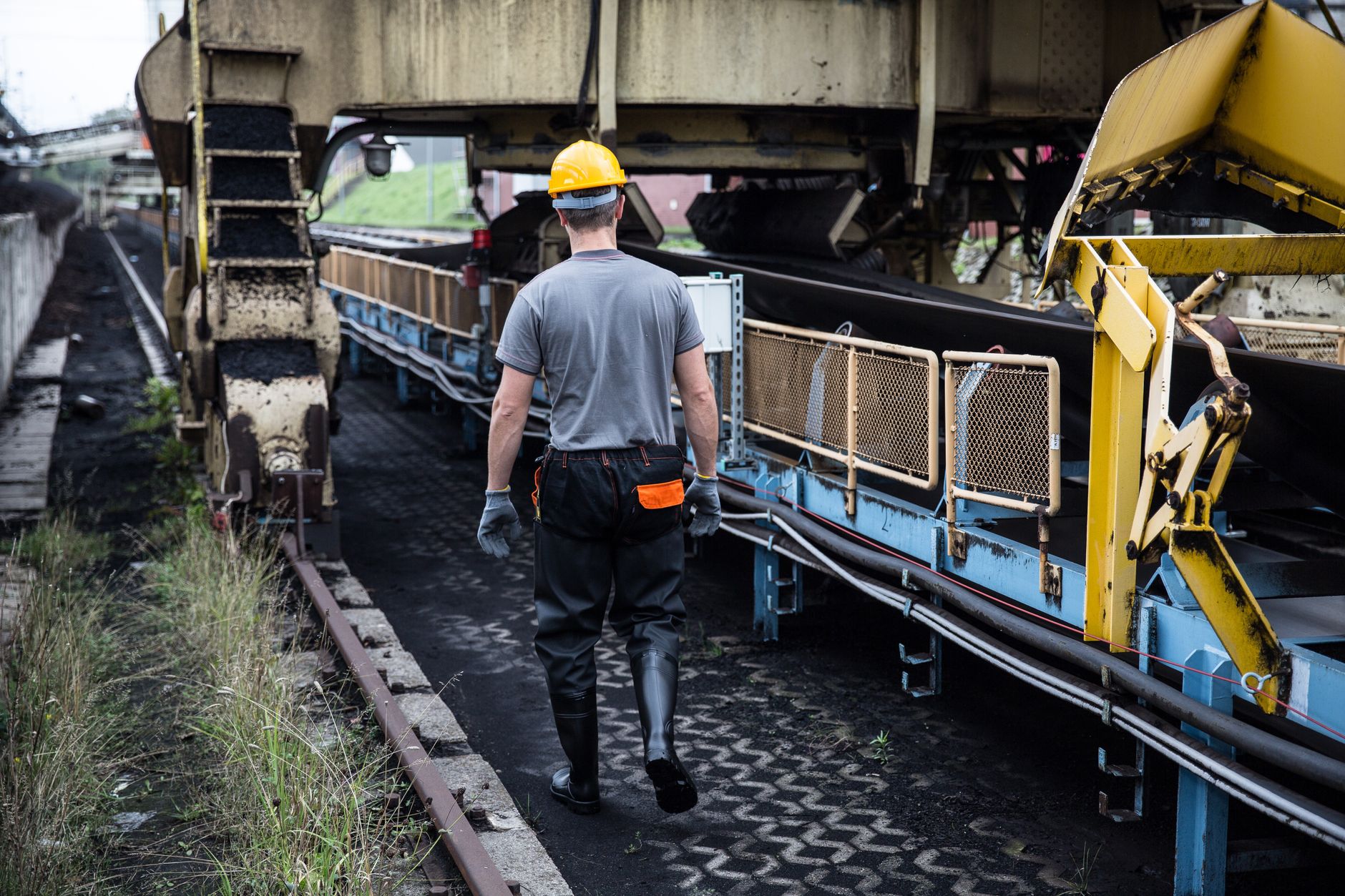
This documented example was implemented by other parties. Service Robot Co. analyzes it as evidence of what a well-engineered robotic press-tending cell can accomplish and does not present the manufacturer as a Service Robot Co. client.
For a comparable project, Service Robot Co. acts as a full-service, OEM-neutral commercial robot integrator for US businesses. We assess the application, select equipment across manufacturers, arrange financing, manage robot deployment and integration, train the workforce and support the installed equipment through a nationwide US engineer network.
That lifecycle model gives a manufacturer one vendor for selection, deployment and continuing care. Robot leasing for business, monthly payment programs, on-site dispatch, remote triage and a robot maintenance service plan can be evaluated around the plant's operating requirements rather than forcing the job into a single manufacturer's catalog.
The first task is disciplined application engineering. A free site assessment can examine stack presentation, die access, guarding, outfeed flow and operator responsibilities before a manufacturing plant robot lease, financed deployment or purchase path is chosen.
Frequently asked questions
Want a robot working for you?
Tell us the job and the site. We will recommend the robot, quote the lease, and keep it serviced.