
a high-bay workwear and safety-products warehouse in Denmark
Warehouse Pallet AMRs Reclaim About 40 Hours Weekly
See how three pallet transport AMRs reclaimed approximately 40 staff-hours weekly while keeping high-reach truck operators supplied in a Danish warehouse.
- 40 hrs/wk
- Approximate time reclaimed
- 3
- Heavy-payload AMRs
- 12 m
- High storage racks
- 31,000
- Pallets received yearly
Based on a documented real-world deployment. Figures are from public reporting; the organization is not named.
Manual Transport Was Constricting the Inbound Flow
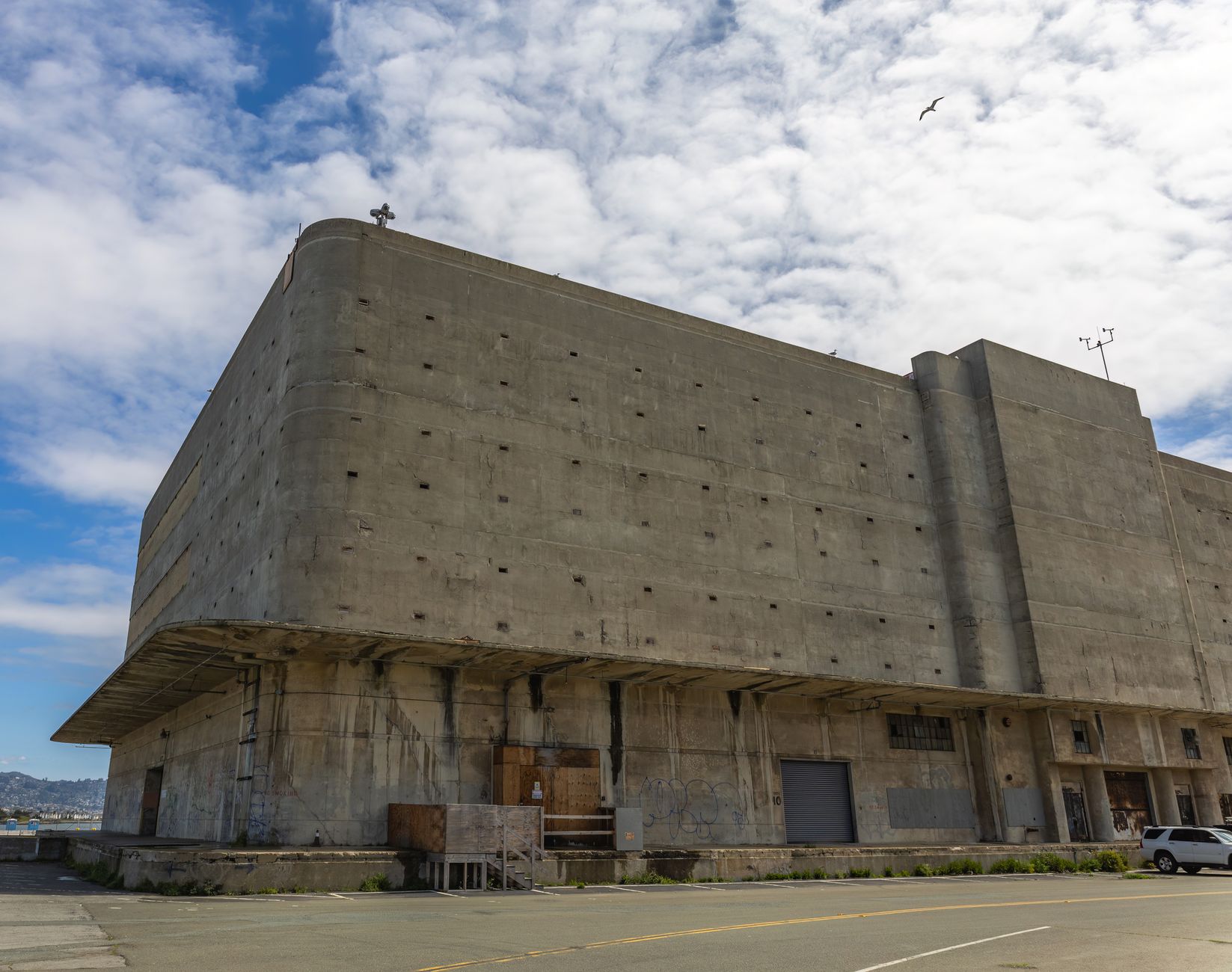
A high-bay workwear and safety-products warehouse in Denmark receives 31,000 pallets and manages 100,000 orders annually. Most orders are for next-day delivery, while pallet movements run from 07:00 to 22:00 amid narrow aisles formed by racks reaching 12 meters.
Receiving personnel once used manual stackers to carry incoming pallets toward the storage aisles. Those repetitive transport duties consumed experienced labor, crowded principal traffic routes, and tied the pace of receiving to a handoff that added little operational judgment.
The warehouse still needed skilled reach-truck operators inside the aisles. The real constraint sat upstream: keeping those operators supplied with the correct pallets while preserving scarce floor space and leaving experienced receiving staff free to assess, prioritize, and plan.
- Manual pallet transfers absorbed experienced receiving labor.
- Stacker traffic occupied already constrained travel routes.
- Reach-truck productivity depended on a steady supply at each aisle end.
- Order urgency left little tolerance for a sluggish inbound handoff.
A Focused Pallet Transport Loop
The documented deployment assigned 3 heavy-payload AMRs to a clearly bounded task. Workers placed incoming pallets on dedicated pickup racks, and each pallet transport robot carried its load to the end of the appropriate high-bay aisle for collection by a reach truck.
Reach-truck operators viewed robot locations on tablet maps and reported when a pallet had been collected. Receiving staff could then dispatch another mission from a tablet, while fleet software chose the available AMR able to complete the assignment most quickly and sent robots to charge between tasks.
A dedicated AMR route separated robot travel from other warehouse traffic. Audio cues and lights made robot movement conspicuous in busy areas, supporting coordination among people, reach trucks, and the AMR fleet.
The source characterizes workflow design as a learning process and reports that employees became accustomed to a different way of working. It does not document a formal training program, a phased rollout, or the maintenance and service arrangement, so those details should not be inferred from the outcome.
- Stage pallets on dedicated pickup racks in receiving.
- Dispatch transport missions through the tablet interface.
- Use fleet orchestration to assign each task and manage charging.
- Move pallets over a dedicated route to the storage aisle ends.
- Let reach trucks complete the vertical put-away work.
Forty Hours Returned to Higher-Value Work
The 3 AMRs reclaimed approximately 40 staff-hours each week from internal transport between receiving and the pallet positioning areas. The source also reports that 3 employees each saved several hours in their daily work because they no longer had to shuttle pallets manually from stackers to the high-bay aisles.
That time shifted toward work requiring warehouse knowledge: assessing pallet contents, setting priorities, planning, and refining flow. The AMRs supplied pallets steadily at the aisle ends, allowing reach-truck operators to stay focused on storage and retrieval rather than waiting on inbound moves.
The traffic pattern improved as well. Replacing manual stacker movements on the principal routes relieved cramped conditions, while tablet visibility, dedicated robot paths, lights, and audio signals helped the mixed fleet coordinate without obstructing one another.
What This Operating Pattern Means for US Warehouses

This is a documented real-world example analyzed by Service Robot Co., not a Service Robot Co. client deployment. Its lesson is precise: a well-chosen AMR pallet mover can remove a repetitive horizontal transport loop while people and reach trucks retain the work that demands judgment and specialized handling.
Service Robot Co. is an OEM-neutral commercial robot integrator for US businesses. We evaluate the floor and workflow across manufacturers, arrange financing or monthly payment programs, handle robot deployment and integration, train the operating team, and service every unit through a nationwide US engineer network.
For a robot integrator for warehouses, the machine is only one part of the assignment. Site assessment mapping, traffic design, mission logic, staff readiness, and ongoing robot maintenance service determine if an AMR lease or purchase becomes dependable operating capacity. Service Robot Co. keeps that lifecycle under one vendor, from selection through field service, without claiming involvement in this Danish deployment.