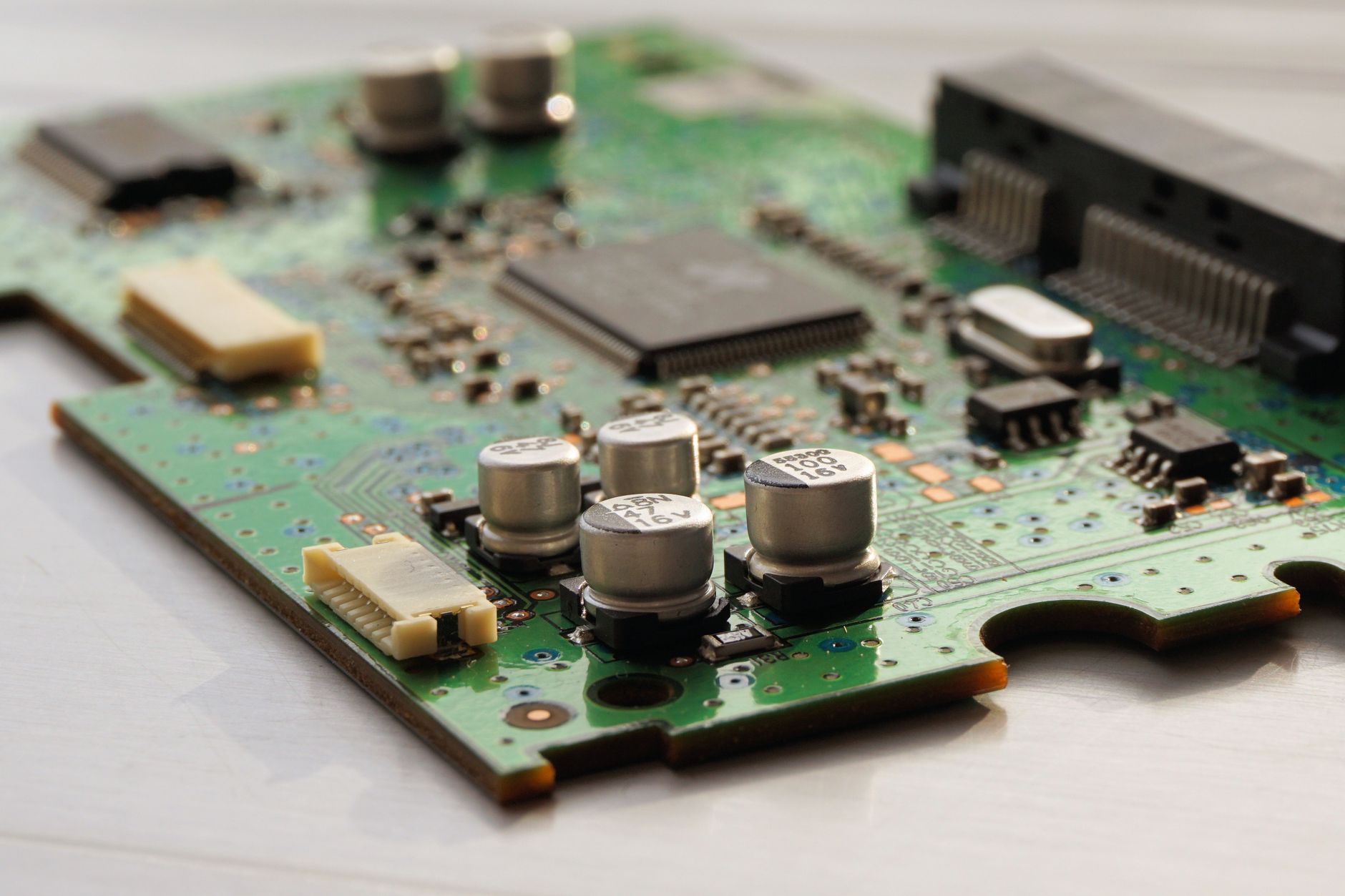
a high-mix, low-volume electrical-products factory in Tennessee
How a High-Mix Electrical Plant Improved Productivity 20%
An anonymized Tennessee electrical factory used mobile collaborative robots on sheet-metal and assembly tasks, raising production about 20 percent and cutting 16,000 wires daily.
- 20%
- Output gain
- 16K
- Wires per day
- Mobile
- Cobot fleet
- 1-piece
- Epoxy flow
Based on a documented real-world deployment. Figures are from public reporting; the organization is not named.
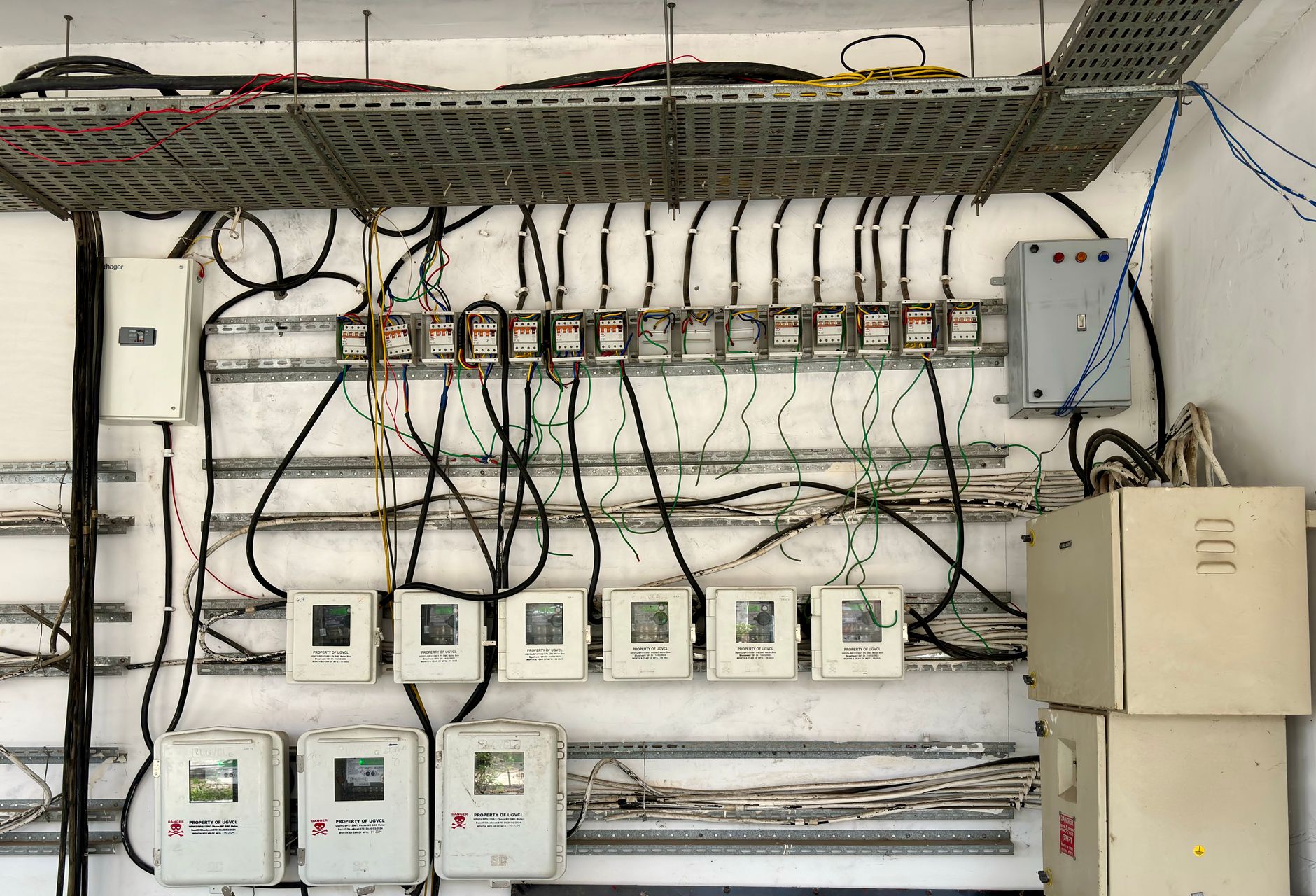
Lines that start and stop
A high-mix, low-volume electrical-products factory in Tennessee builds motor fields, sheet-metal enclosures, and assembled components where most lines run intermittently. Fixed automation rarely paid back because the next job might need a different fixture tomorrow.
Manual wire cutting and epoxy fill tied up wrists on repetitive cycles, while engineers needed a way to use existing presses and brakes without locking each robot to one station forever.
- High mix with low daily volume
- Manual wire trim at high counts
- Batch epoxy instead of one-piece flow
Wheeled cobots on daily work orders
Leadership built a mobile fleet of collaborative arms on rolling pedestals so units could roll to blanking, forming, folding, and final assembly tasks as work orders changed. Morning printouts tell staff which station gets a robot that day.
Pairs of arms work in tandem on the motor field line, sharing status over industrial fieldbus links so one unit trims and hands off while the next places parts on the outbound conveyor. Additional units were planned for turret presses and press brakes as the fleet grew.
- Roll robots to the active cell
- Pair arms for cut and place
- Fieldbus handoff between stations
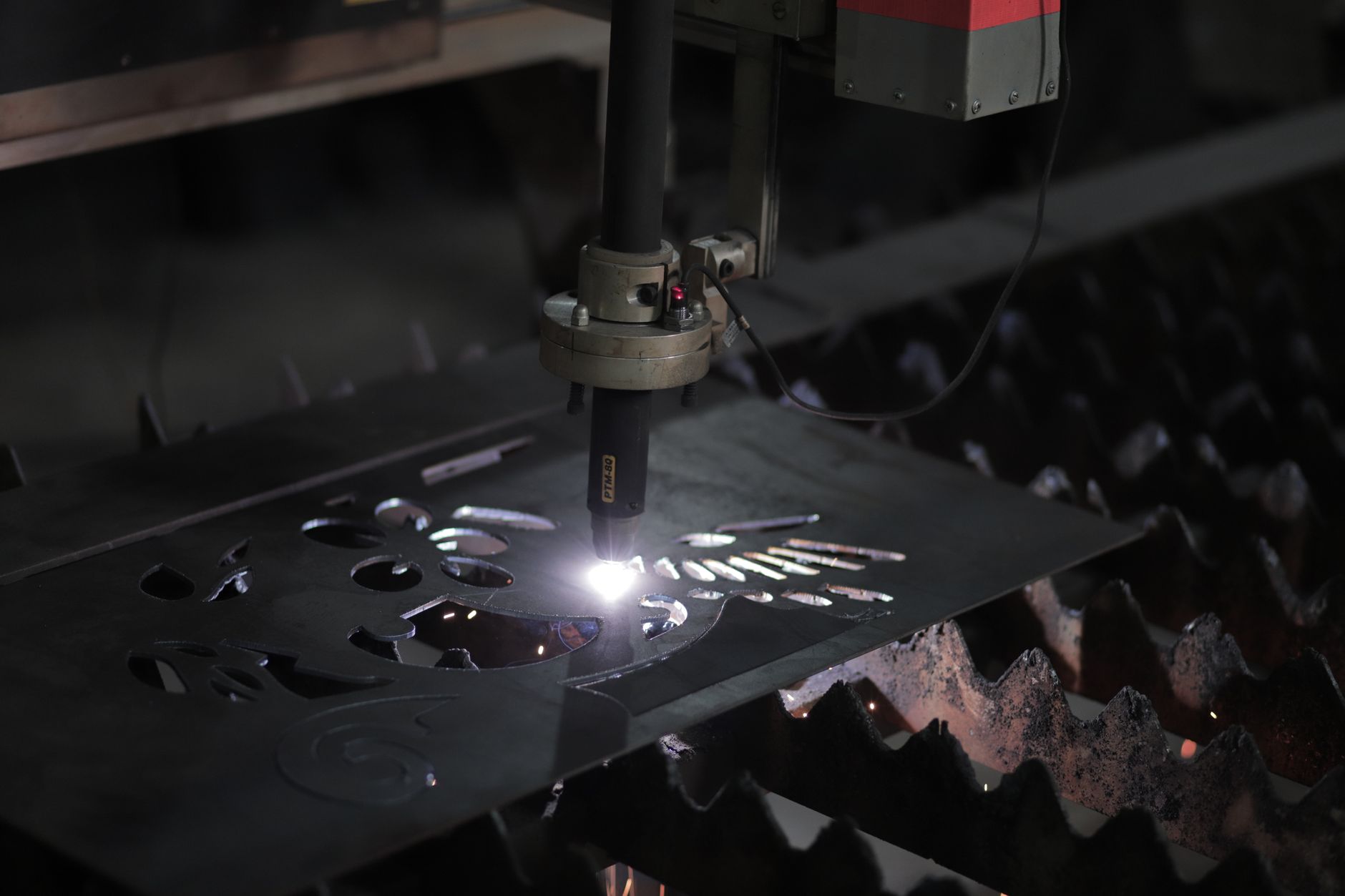
Measured shop-floor outcomes

Production output improved about 20 percent after the mobile cobots took monotonous and hazardous steps off operators. One cell now cuts about 16,000 wires each day, work that used to run entirely by hand at a carpal tunnel risk point.
Epoxy dispensing moved from large manual batches to one-piece flow with a robot running the fill cycle all day. Lifecycle test rigs programmed in minutes now cycle products on and off for hundreds of hours while logging amperage and cycle counts automatically.
What electrical shops can take away
High-mix plants lose margin when every robot install is treated like a permanent line. Mobility and quick reprogramming matter as much as reach and payload.
Service Robot Co. did not deploy this Tennessee example. We help US manufacturers pick vendor-neutral cobot rental or mobile cells, finance through robot leasing for business, integrate fieldbus and tooling, train operators, and service the fleet nationwide. A phased deployment no shutdown pilot on one motor line can prove wire-cut and epoxy gains before you expand.