a major electronics manufacturing campus with a 700-square-meter employee cafeteria
Electronics Manufacturing Cafeteria Cleaning Cut in Half
A documented robot vacuum deployment at an electronics manufacturing campus cut cafeteria cleaning from 90 minutes to 45 minutes in a 700-square-meter space.
- 90 to 45 min
- cafeteria clean time
- 50%
- time reduction
- 700 sq m
- employee cafeteria
- 1 cleaner
- pre-robot staffing
Based on a documented real-world deployment. Figures are from public reporting; the organization is not named.
Why a support area mattered inside a production campus
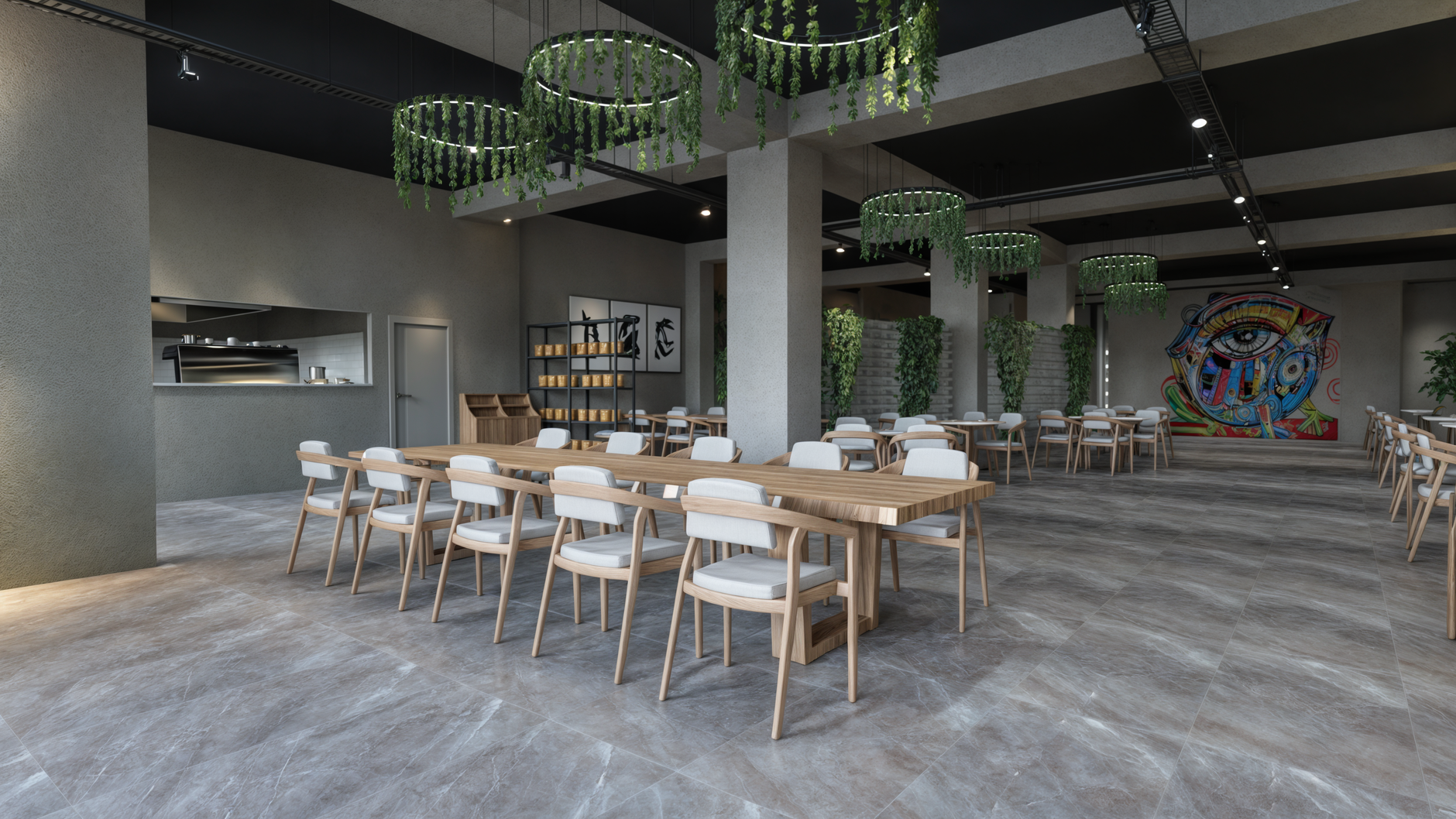
This documented deployment sits outside the production line, but the operating pressure will feel familiar to any manufacturing leader. A major electronics manufacturing campus needed to keep cleaning standards high in an employee cafeteria packed with tables, chairs, and frequent layout changes, while the surrounding labor market was already tight and the cleaning workforce was aging.
The task itself was not glamorous. It was repetitive, time-bound, and easy to overlook until labor got scarce. Before the robot vacuum came in, one cleaner spent 90 minutes on the 700-square-meter cafeteria. That is exactly the kind of support work that can quietly absorb labor without changing output anywhere else in the facility.
- High cleanliness expectations inside an electronics manufacturing setting
- A 700-square-meter cafeteria with many fixtures and changing layouts
- Aging cleaning staff and a difficult hiring environment
- A support function that still had to get done every day
How the robot was introduced on the floor
The campus and its cleaning partner did not start with a sweeping redesign of the operation. They chose a contained environment, the employee cafeteria, where the route was clear enough for autonomous vacuuming but varied enough to test day-to-day usability. That kept the pilot grounded in real work instead of showroom conditions.
Ease of use mattered. The source notes that staff valued simple route teaching and the ability to adjust paths on the floor when the cafeteria layout changed. The cleaning method also stayed practical: debris under tables and along edges was prepared in advance, the robot handled the main pass, and a cleaner finished with a quick check of the corners.
- Start in the cafeteria rather than disrupting production areas
- Use a robot vacuum that staff could operate without specialist setup
- Adjust routes on site as furniture layouts changed
- Pair the robot pass with a light manual edge check

What changed after deployment
The headline result is straightforward and credible. Cleaning the employee cafeteria fell from 90 minutes to 45 minutes. In plain terms, the same 700-square-meter area took half as long to clean once the robot vacuum handled the main run.
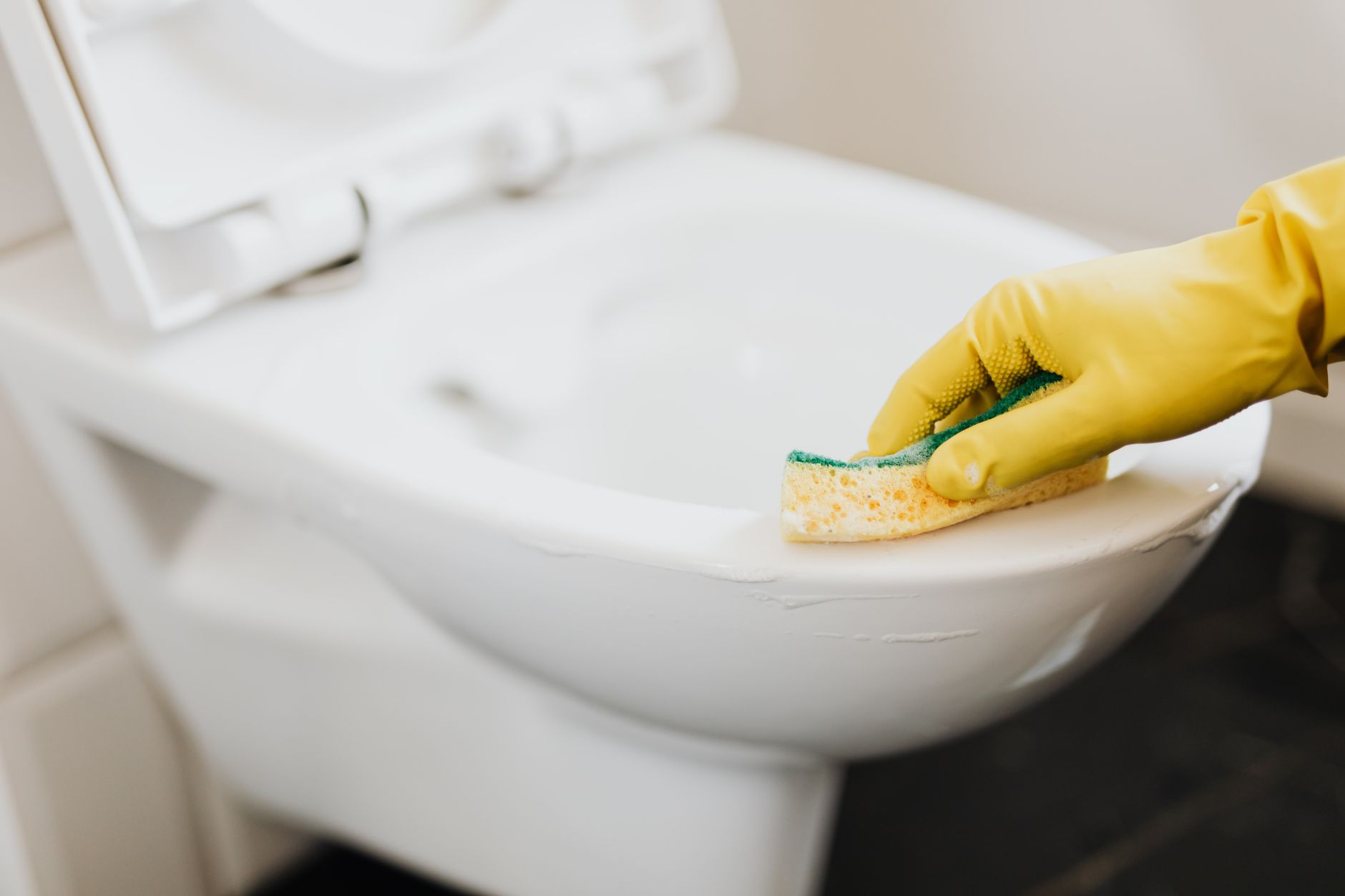
Just as important, the saved time was not treated as idle slack. The source says the reclaimed minutes were redirected to work that still needs human hands, especially restroom cleaning and higher-value detail work around presentation. That is what makes this example useful for manufacturing operators. The workflow around the rest of the facility did not need to change for the labor gain to show up.
What this means for U.S. manufacturers evaluating robots
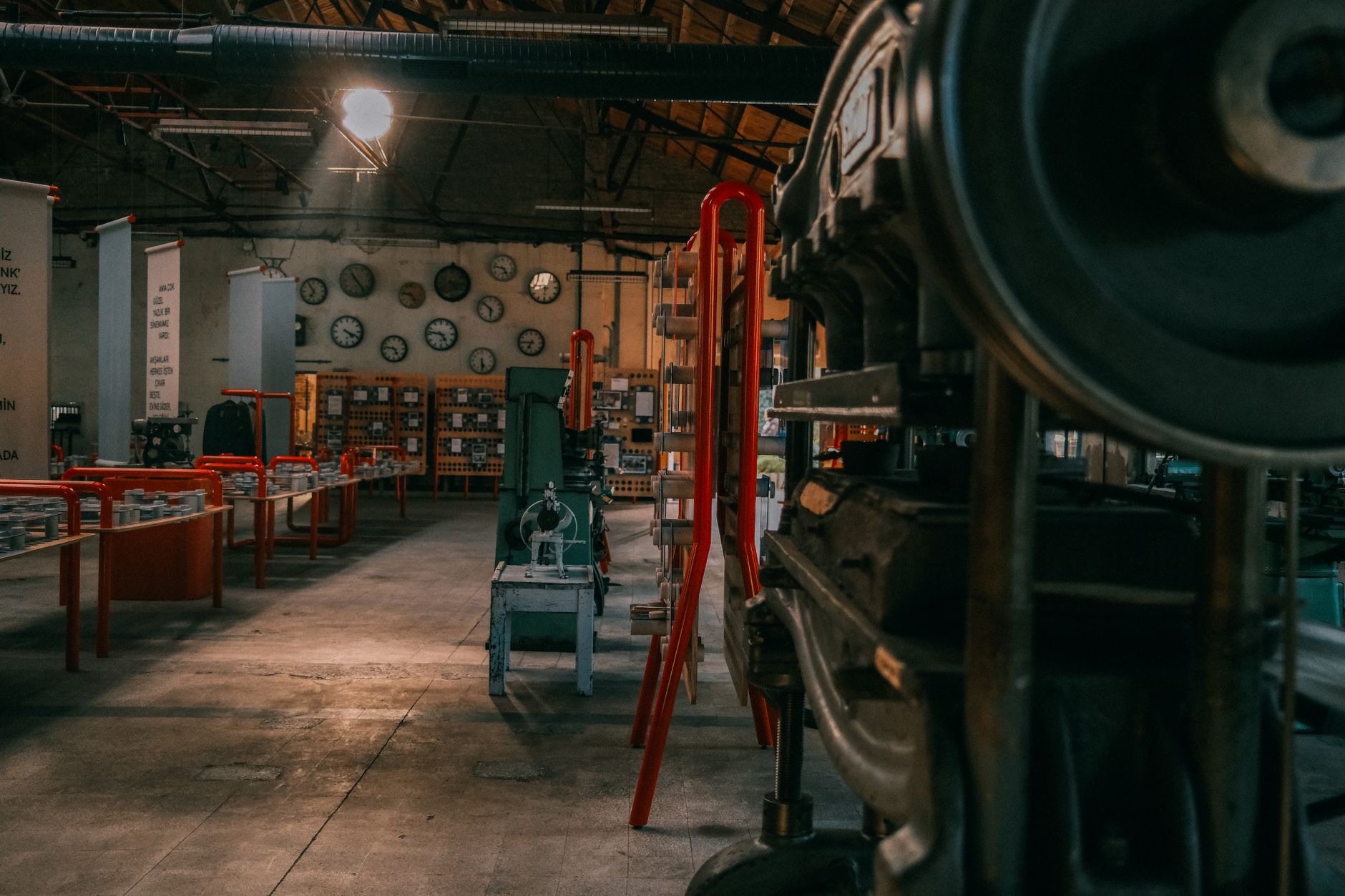
This is not a claimed Service Robot Co. deployment. It is a real, documented example of how autonomous vacuuming can pay off in a support space inside a manufacturing operation. The lesson is not that every cafeteria should get the same unit. It is that support functions often offer the cleanest first step for automation because the metric is simple, the work is repetitive, and the operational risk is low.
That is where Service Robot Co. fits. We are a full-service, OEM-neutral commercial robot integrator for U.S. businesses. We help customers choose the robot that fits the floor, then handle financing, deployment, integration, training, and ongoing service through a nationwide U.S. engineer network. One vendor for the full lifecycle, without forcing a facility into a single manufacturer or a single contract shape.