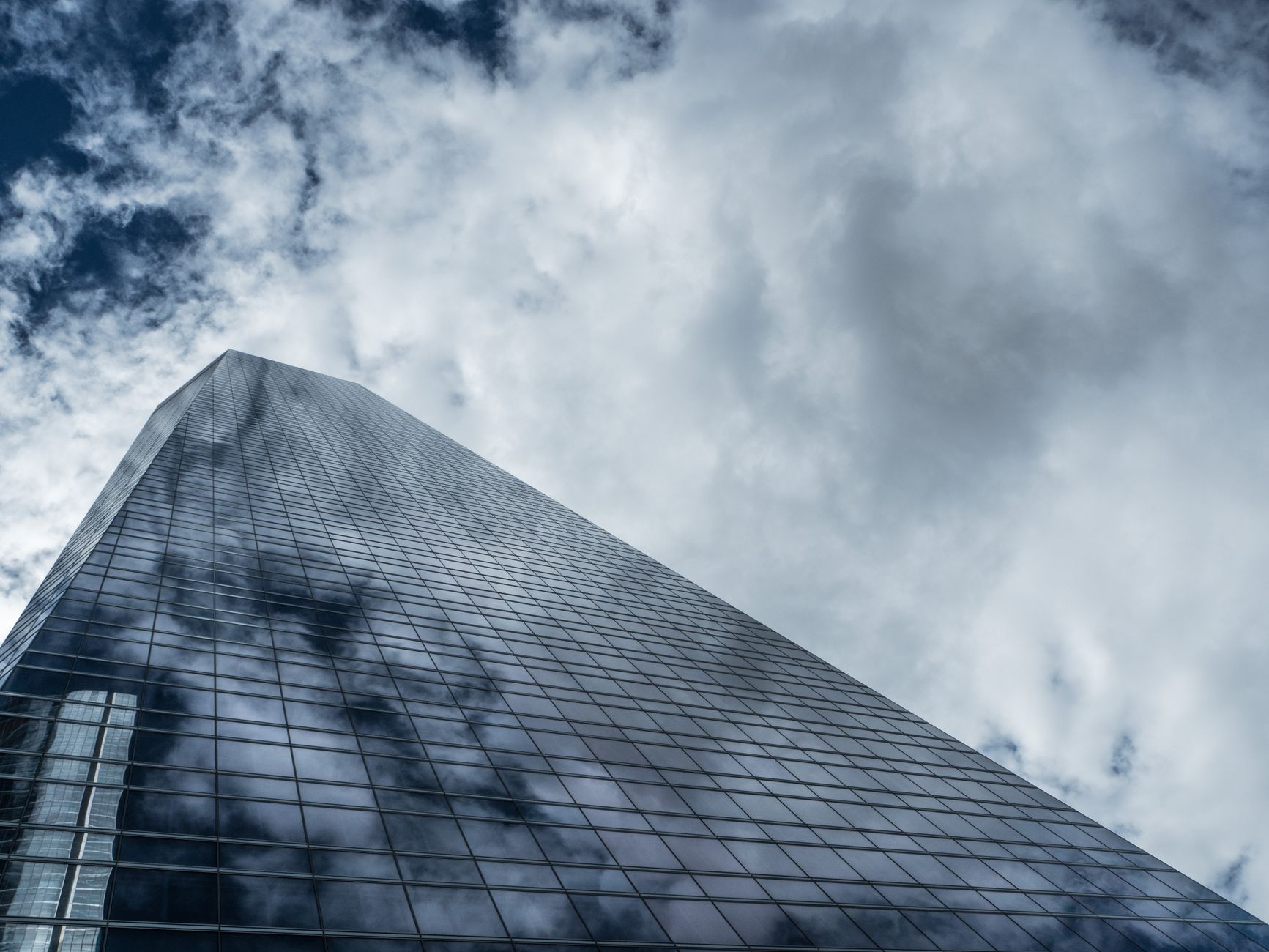
an 80-meter public-health office building with a 14,960-square-meter facade
High-Rise Facade Cleaning Cut From 374 Hours to 47
A documented high-rise cleaning project shows how robotics cleaned a 14,960-square-meter facade in 47 total hours, with 84% labor savings and lower utility use.
- 374 to 47 h
- Total project time
- 84%
- Labor savings
- 82%
- Energy savings
- 81%
- Water savings
Based on a documented real-world deployment. Figures are from public reporting; the organization is not named.
Why the manual plan was a problem
Conventional facade cleaning on an 80-meter public-health office building with a 14,960-square-meter facade was projected to consume 374 labor hours. That is a long, exposed operation for a routine maintenance task, and the duration alone puts pressure on scheduling, access planning, and day-to-day building operations.
The white paper also frames safety as a central constraint. Manual high-rise window cleaning keeps people working at height for prolonged periods, so every additional hour carries operational weight beyond labor alone.
- 374 projected hours under the manual cleaning method
- 80-meter building height to manage during facade maintenance
- 14,960-square-meter facade area to cover
- Prolonged human work at height under the conventional approach
How the robotic method was introduced
The documented project replaced manual suspended cleaning with an autonomous facade-cleaning system. Just as important, the reported timeline counted the whole job rather than brush time alone: 23 hours of cleaning and 24 hours of setup, for 47 total hours.
That distinction matters in commercial real estate. High-rise window cleaning automation succeeds when the access method, cleaning path, operator readiness, and repeatable service routine are treated as part of the deployment, not as afterthoughts.
- Start with facade suitability, access constraints, and cleaning requirements
- Select the robot category and cleaning method to match the envelope
- Measure setup time and coverage alongside active cleaning performance
- Train the facilities team and set a clear service path for repeat cleanings
Measured outcomes
On an 80-meter public-health office building with a 14,960-square-meter facade, the robotic system completed the full project in 47 total hours. The white paper breaks that into 23 hours of cleaning time and 24 hours of setup, with an observed cleaning speed of about 648 square meters per hour.
The manual baseline for the same work was 374 hours. Against that baseline, the project reported 84% labor savings, 82% energy savings, and 81% water savings. Those gains were measured on the same facade and tied to a completed cleaning job.
The safety implication is just as significant. A shorter, more automated cleaning program reduces how long people need to be exposed to high-rise cleaning conditions, which changes the operating profile of the work as well as the labor math.
What this means for US owners
This is the adoption gap Service Robot Co. is built to handle. Most owners do not need a single branded machine. They need a vendor neutral robot integrator that can assess the facade, choose the right robot across manufacturers, and carry the job from procurement through live operation.
For buyers comparing commercial robot leasing, or purchase or lease, the machine is only part of the decision. Service Robot Co. can finance, deploy, integrate, train, and service the robot through a single relationship, with RoboCare™ service and a nationwide US engineer network behind the rollout.
For commercial real estate teams evaluating high rise window cleaning automation, the real issue is operational ownership. Site assessment, robot deployment and integration, staff handoff, and long-term support need to sit with a partner that stays accountable after the robot arrives.