a large top-load and front-load washer assembly plant in the Midwest United States
How a High-Volume Appliance Plant Redeployed Staff With 54 Towing AMRs
At a 2.4-million-square-foot Midwest washer plant, 54 vision-guided towing AMRs now kit parts to 24 line drops every 20 to 30 minutes on three shifts.
- 54
- towing AMRs live
- 24
- line drop points
- 20-30 min
- parts delivery cadence
- 2.4M sq ft
- plant footprint
Based on a documented real-world deployment. Figures are from public reporting; the organization is not named.
Kitting could not keep pace with line speed
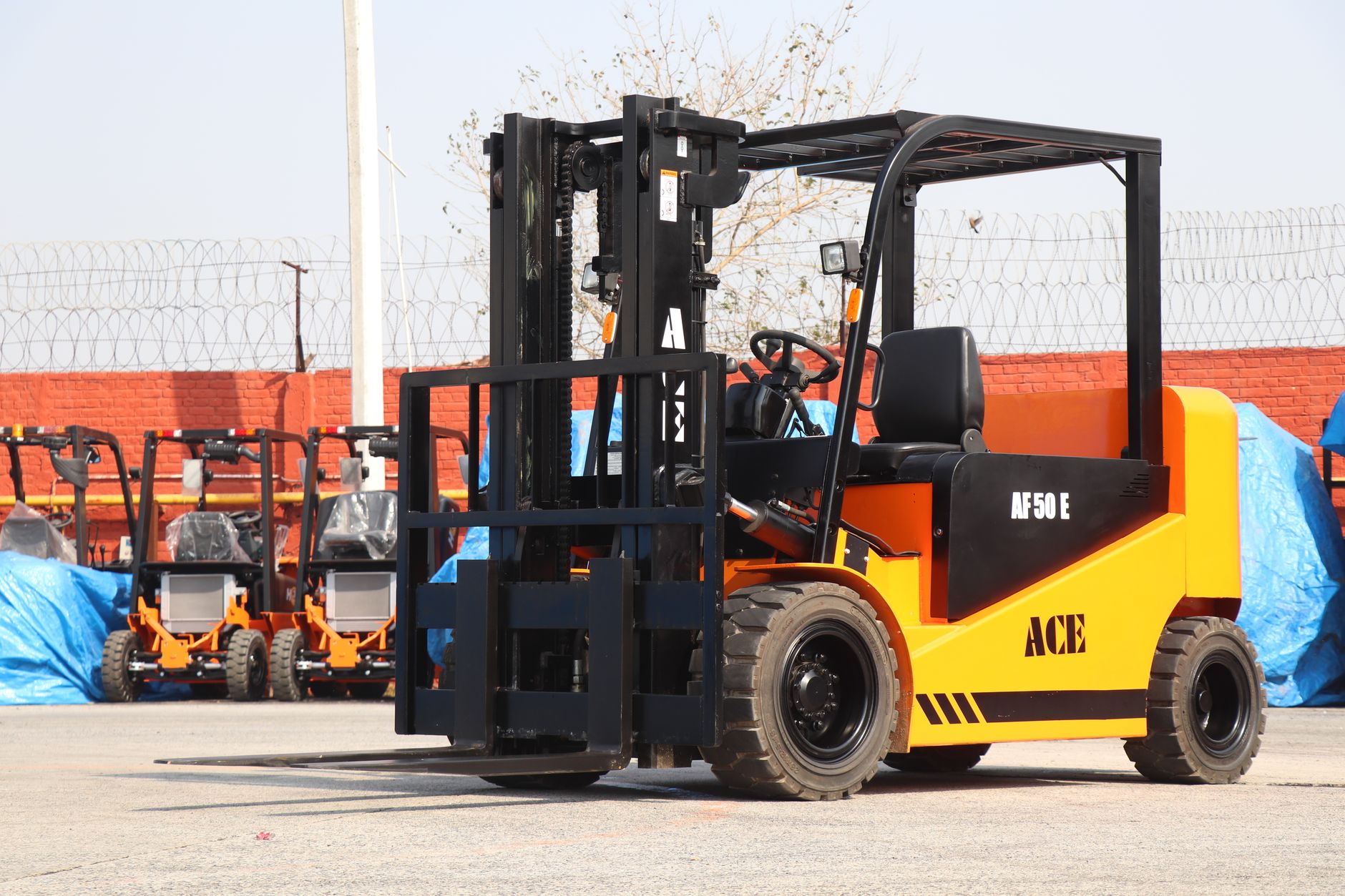
Inside a 2.4-million-square-foot Midwest plant billed as the world's largest site building top-load and front-load washers, forklifts once pushed pallet loads straight to assembly. That pattern consumed aisle space, crowded fork traffic beside assemblers, and made just-in-time delivery hard to repeat shift after shift.
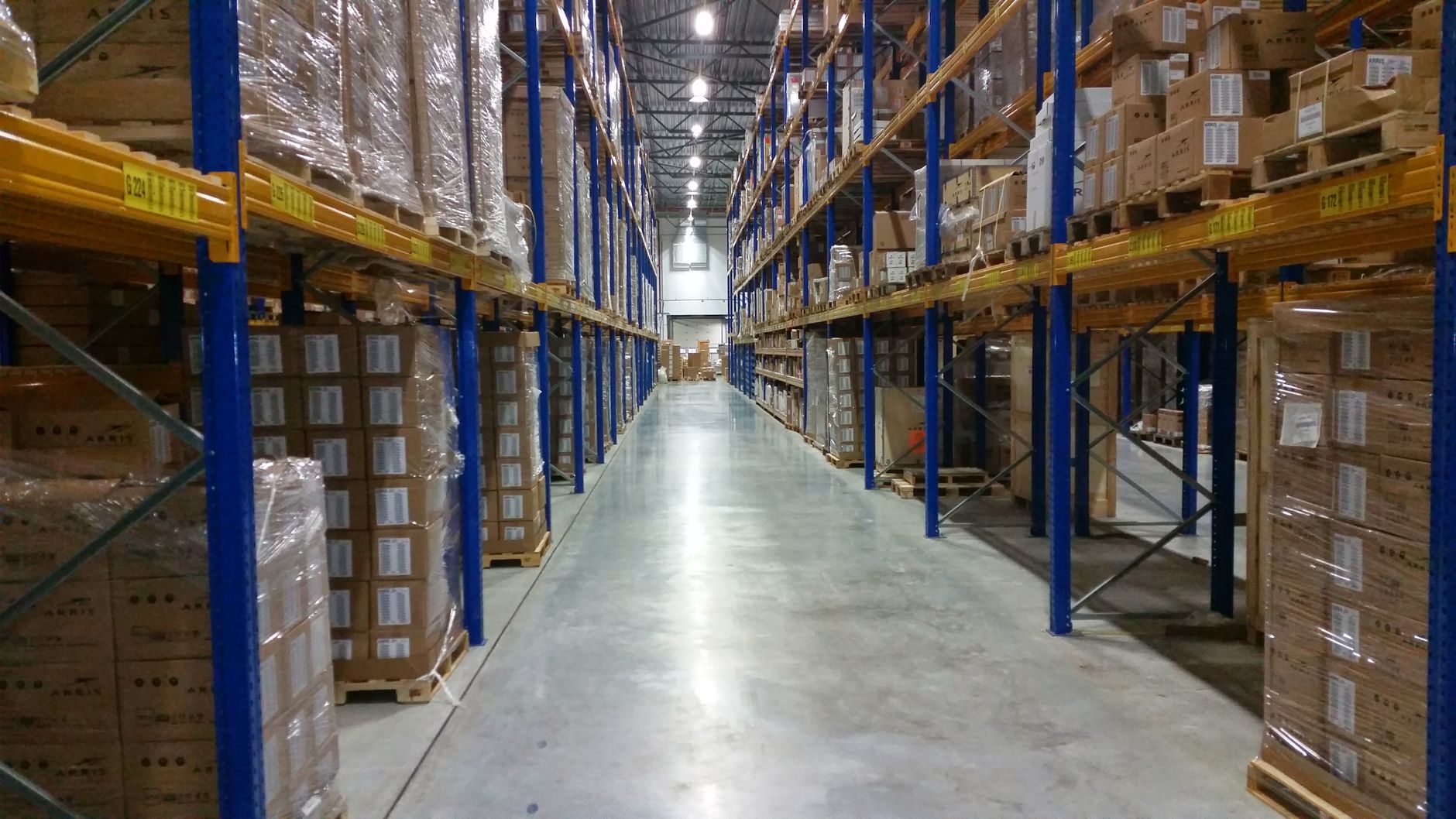
A lean program starting in 2012 moved parts into a supermarket zone, kitted totes for tugger carts, and timed routes so components arrived every 20 to 30 minutes. Even after manual tuggers worked, drivers still faced overtime caps, absences, and unplanned stops that could starve a high-velocity line.
- Forklift deliveries fought the goal of fork-free production areas.
- Manual tug drivers could be diverted or absent on critical routes.
- Leadership wanted safety and throughput gains, not automation for its own sake.
Pilot three AMRs, then scale route by route
Materials leaders tested camera-guided towing AMRs that map paths by walk-through training rather than floor tape. A three-robot pilot ran nearly a year on one assembly line inside a three-shift, five-day schedule, pulling kitted carts from the supermarket to fixed drop points where operators swapped full totes for empties.
After the pilot proved the tuggers could match plant tempo and stay on route, the team expanded line by line until 54 units covered every assembly and support route. Supervisory software now coordinates intersections, additional pickup points eased supermarket congestion, and status screens tell assemblers when the next cart should arrive.
- Stand up manual kitting and timed routes before automating delivery.
- Prove one line under full shift load before fleet expansion.
- Plan wider aisles and intersection controls before deploying 50-plus units.
Consistent routes with fork traffic pushed back
The fleet went live in 2015 and has run more than 50 towing AMRs for over a year across the expanded layout. Fifty-four robots now serve about 24 drop-off locations, maintaining the 20 to 30 minute replenishment cadence the lean team designed.
Plant leadership reports robotic tuggers do not call in absent, face no hour caps, and rarely deviate the way a human driver might when stopped in the aisle. Operators were redeployed under a standing commitment that lean projects would not eliminate jobs, while the site pushed toward fork-free zones and steadier line feeding.
Lessons from the rollout include favoring longer return loops for empty containers, adding multiple kit pickup points, and treating the site as a test bed before copying the model to other North American appliance factories.
What appliance and durable-goods plants can copy
Service Robot Co. did not deploy this Midwest washer plant. The published system report still shows how towing AMR rental or purchase can follow lean kitting instead of replacing it, which is how many US factories want to start material handling automation.
As a vendor-neutral integrator, Service Robot Co. helps manufacturers compare vision-guided tuggers, map intersections, and bundle robot leasing for business with deployment, training, and nationwide service. A month to month robot lease can fund the pilot line while kitting discipline is proven.
If your bottleneck is repetitive cart delivery on a three-shift floor, the measurable win is route consistency and fork reduction, not a headline headcount cut. Finance the fleet like production equipment and expand only after one line survives peak velocity.