
a global hotpot chain operating at extreme table-turn volume
OEM Case Study: Hotpot Chain Hits 99.90% Delivery Accuracy
An OEM-published Pudu Robotics case: a global hotpot chain operating at extreme table-turn volume reached 99.90% delivery accuracy, 2 to 3x trip efficiency, and 50%+ lower costs.
- 99.90%
- delivery accuracy
- 2-3x
- trip efficiency
- 50%+
- lower operating cost
Based on a documented real-world deployment. Figures are from public reporting; the organization is not named.
Why the dining room needed relief
This is an OEM-published case from Pudu Robotics about a deployment in China, not a Service Robot Co. deployment.
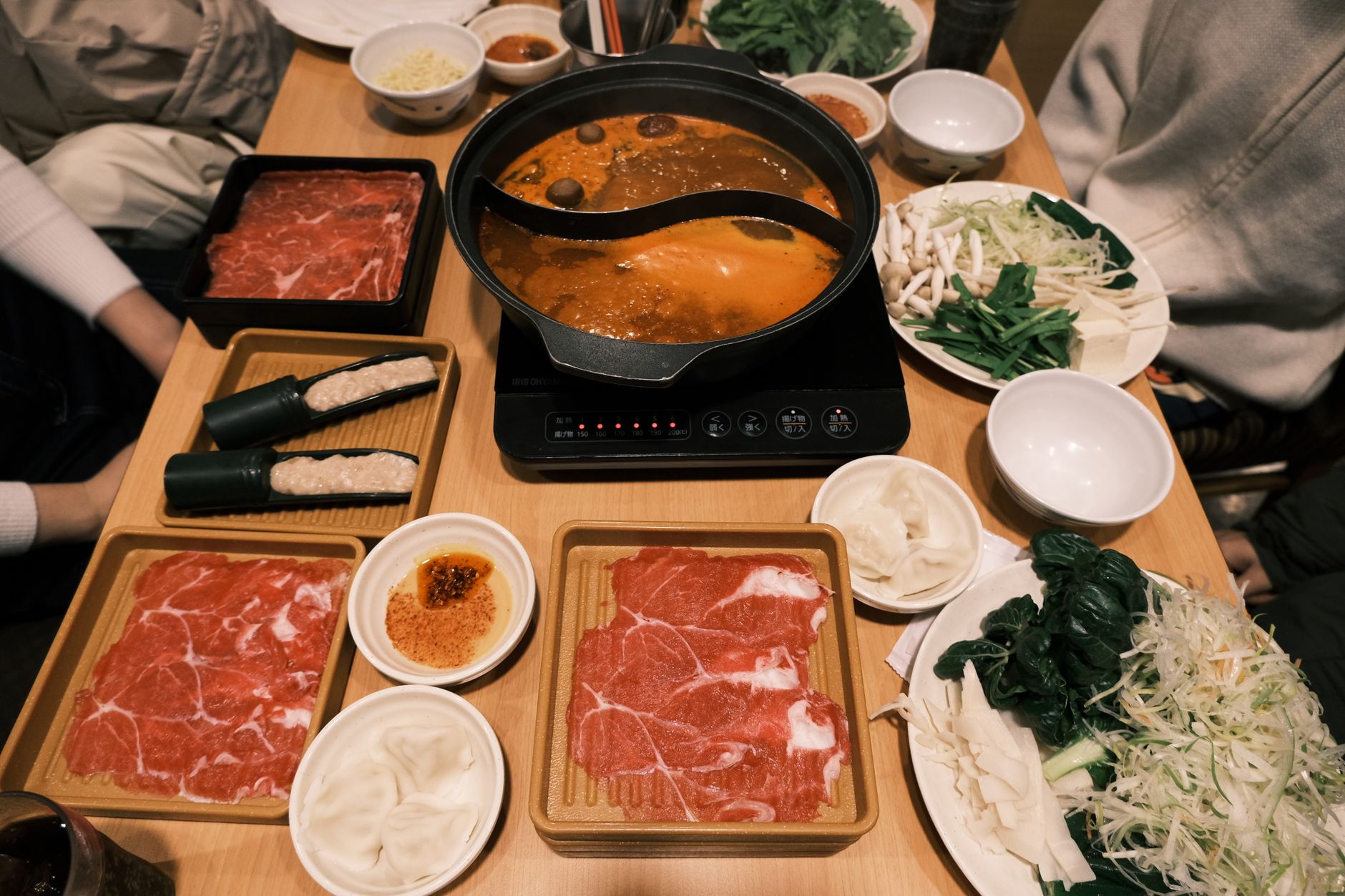
A global hotpot chain operating at extreme table-turn volume lives or dies by the plate run. Staff are moving constantly between kitchen and table, and every missed handoff or delayed trip can stack into slower turns, tighter aisles, and a rougher guest experience.
The source frames the pressure clearly. Restaurant service still depends heavily on human labor, yet the transport loop is repetitive, error-prone, and expensive when volume stays high. In an operation like this, accuracy, pace, and operating cost rise or fall together.
- Continuous kitchen-to-table transport during peak service
- Frequent risk of wrong-table delivery and other handoff errors
- High labor dependence in a floor plan that rewards fast, repeatable trips
Where automation entered the flow
The documented deployment introduced delivery robots into the daily service loop, taking on the repetitive transport work between kitchen and table. That choice matters because it targets the path with the most walking, the most congestion, and the highest penalty for small mistakes.
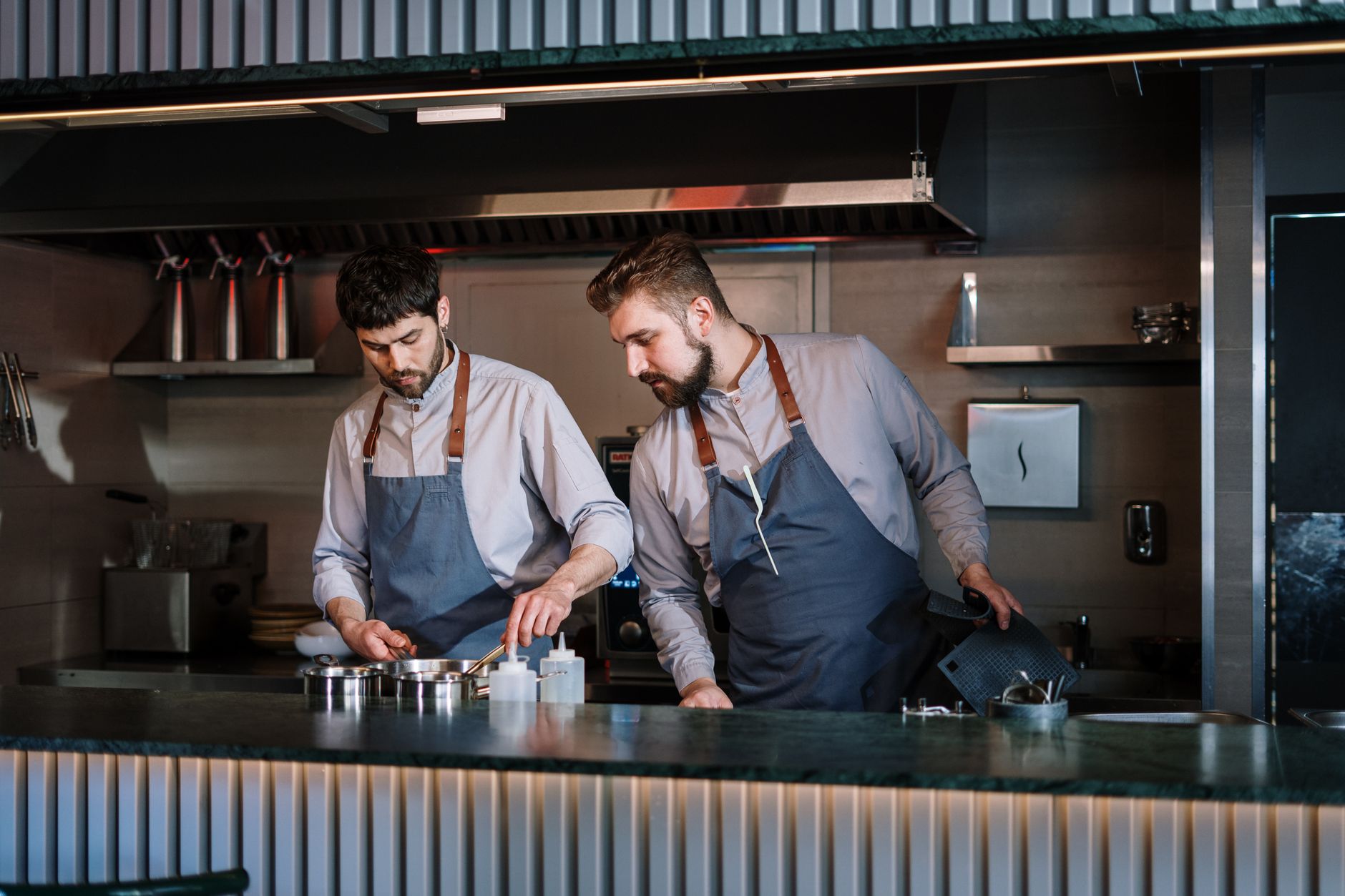
The source does not publish a step-by-step rollout plan. What it does show is staff freed in the back kitchen and given more room to learn other positions, which points to an operating model where the robot handles the repetitive run while people stay focused on loading, handoff, and broader service work.
- Start with the repetitive food-running route, not the most complicated task on the floor
- Keep staff in the loop for loading, table handoff, and exceptions
- Use freed labor for broader cross-training and service coverage
- Treat the robot as part of daily service, not as a novelty during slow periods
What the documented rollout delivered
The reported performance is unusually strong for a restaurant floor. Delivery accuracy reached 99.90%, a result that matters more than it first appears in a high-turn dining room where one wrong drop can ripple into remakes, delays, and guest friction.
Efficiency per trip increased 2-3x, and operational costs fell by over 50%. Put together, those gains show a broader operating win: faster transport, fewer delivery mistakes, and lower cost in the same service loop.
What this means for U.S. restaurant operators
This is not a Service Robot Co. deployment. It is a documented reference point for what restaurant delivery robot leasing, food service robot leasing, or a food running robot can do when the real bottleneck is repetitive transport on a crowded floor.
That is where Service Robot Co. fits. We are a full-service, vendor neutral robot integrator for U.S. operators, selecting the server assistant robot or busser robot that fits the site, handling robot deployment and integration, staff training, financing, and service through a nationwide U.S. engineer network.
For chains weighing leasing, robot leasing for business, or purchase or lease, the hard part is rarely picking a machine from a brochure. It is site assessment mapping, commercial robot demo or robot pilot program design, go live support, RoboCare™ service, commercial robot repair service, remote triage, and on-site dispatch after launch.