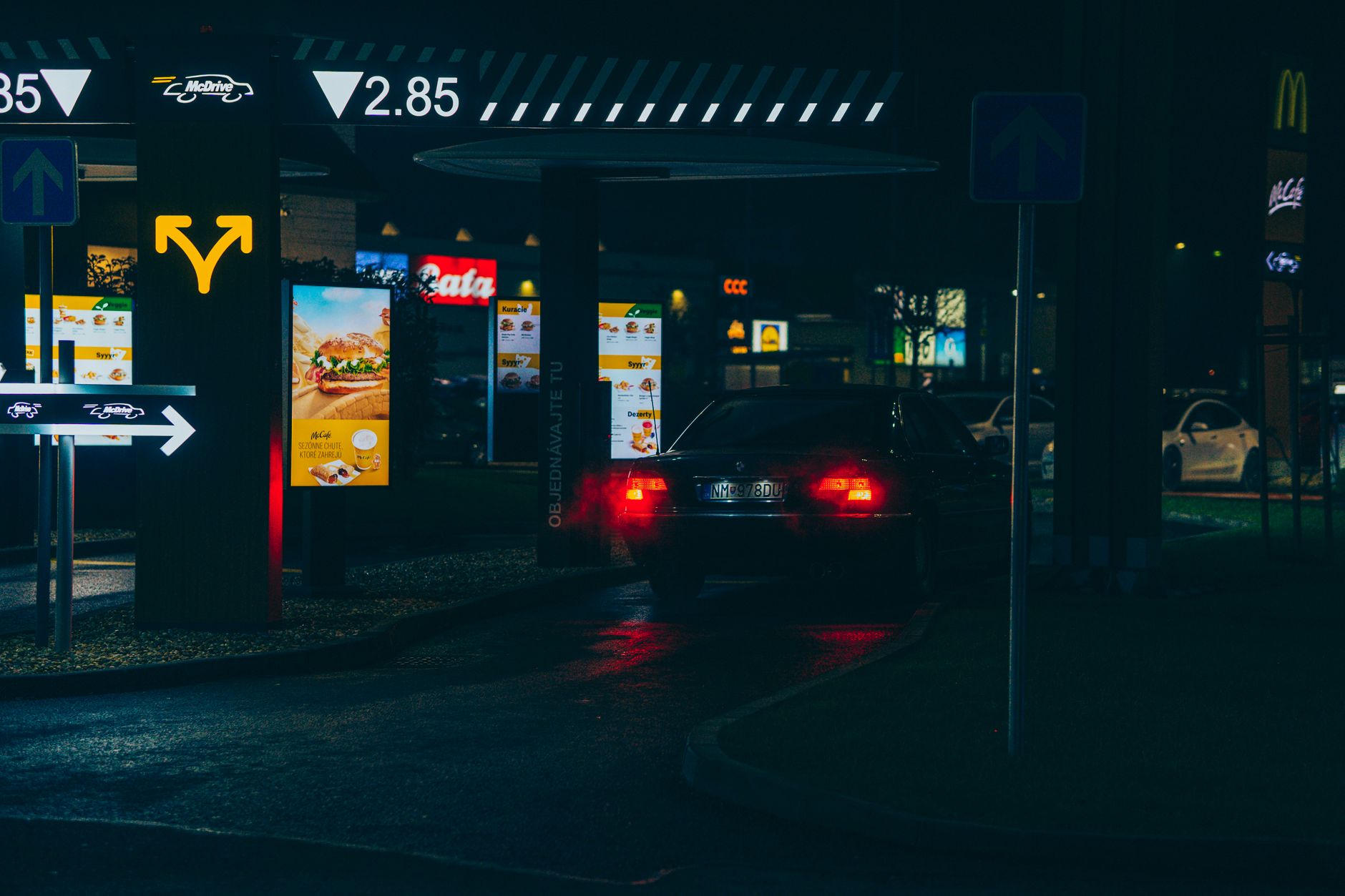
a high-volume quick-service restaurant with a separate delivery pickup window far from the production line
How a High-Volume QSR Logged 10,000+ Kitchen-to-Window Delivery Runs With One Robot
A quick-service restaurant used an indoor delivery robot for 10,000+ kitchen-to-window runs, 121 miles traveled, and 57,000+ pounds of food moved since 2022.
- 10,000+
- delivery runs
- 121 mi
- food transport
- 57,000+ lb
- food carried
- Since 2022
- in service
Based on a documented real-world deployment. Figures are from public reporting; the organization is not named.
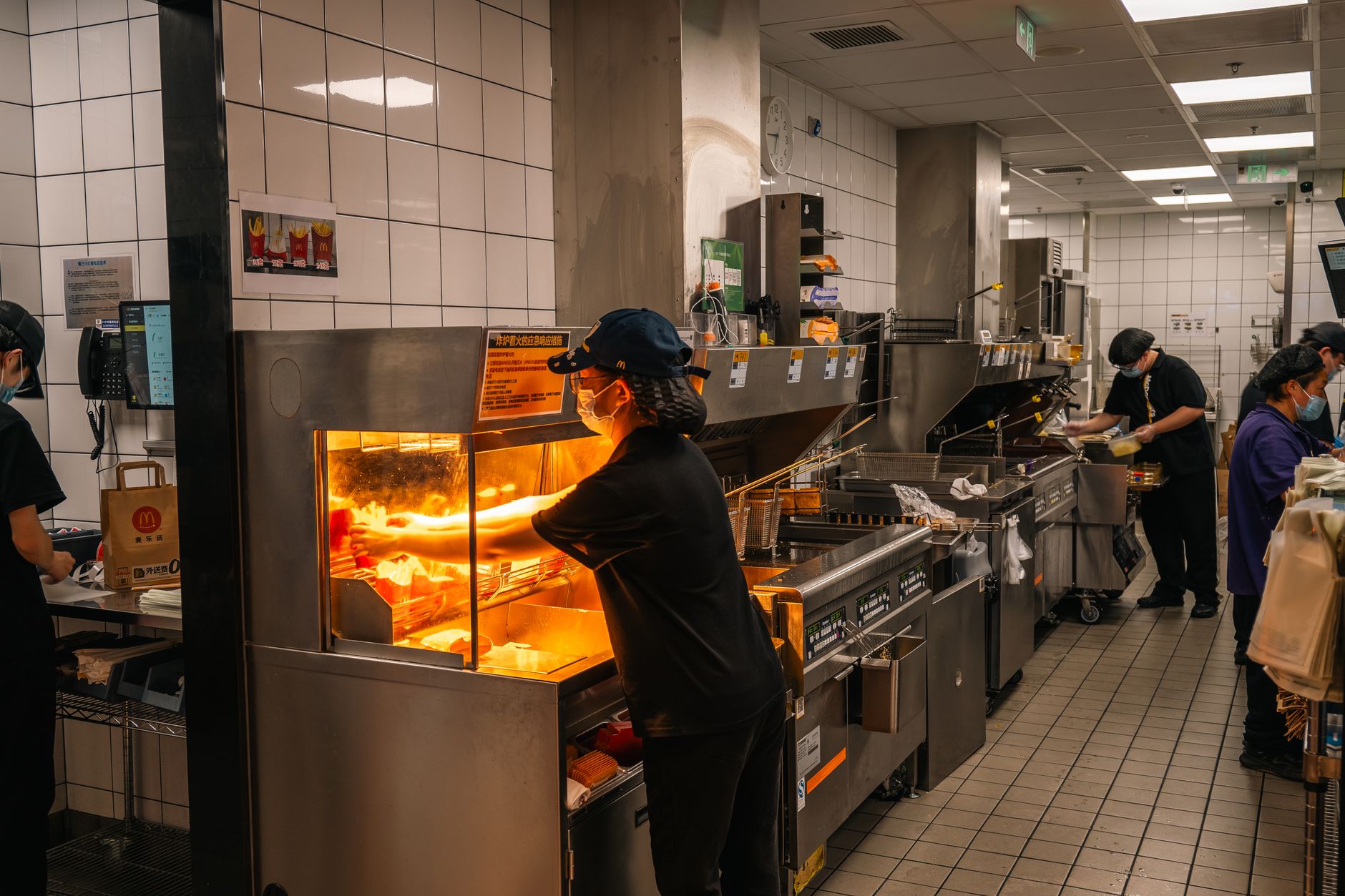
Delivery volume without extra runners
Night shifts at this quick-service restaurant blended dine-in guests, drive-thru traffic, and a growing stack of third-party delivery tickets. Managers described delivery apps as a major share of overnight sales, which meant sealed bags had to reach drivers fast without pulling people off the front line.
Leadership added a dedicated pickup window for delivery drivers, but that window sat far from the kitchen line. Every handoff turned into a long walk through the building while timers on other channels kept running.
- Third-party delivery demand spiked during overnight hours
- Kitchen and handoff window were on opposite ends of the floor plan
- Short staffing made repeat runner trips hard to sustain
One indoor route, mapped once
The team introduced a delivery robot to move orders from the production counter to the remote pickup window on a fixed indoor path. Staff could keep assembling food and talking to guests while the robot handled the repeat corridor work.
Operators sized the unit for peak bag counts so one trip could carry multiple orders when volume jumped. The robot has been on that route since 2022, with humans stepping in only when traffic or obstacles need a judgment call.
- Mapped the kitchen-to-window path for repeat shuttles
- Trained overnight leads on when to load and release runs
- Kept humans on customer-facing stations during rush windows
Documented mileage and load moved
Published operating data from the deployment reports more than 10,000 completed deliveries, 121 miles traveled, and more than 57,000 pounds of food carried along the route.
Managers said the robot was especially valuable when the store ran lean, helping the team absorb delivery volume without adding a dedicated runner during the same shift.
What this means for your restaurant pilot
This story is a documented real-world example, not a Service Robot Co. customer deployment. It still shows how restaurant delivery robot rental can attack a single painful loop before you expand to bussing or room-to-room runs.
Service Robot Co. is vendor neutral. We map your kitchen and handoff points, match a food runner robot to bag weights and aisle width, and wrap finance, deployment, training, and nationwide service in one contract. A month to month robot lease or pilot program lets you prove the route on your real night shift before you scale.