a western U.S. state transportation agency
How a Western State Transportation Agency Scanned a 300-Foot Culvert in Under 10 Minutes
A state highway agency used a quadruped inspection robot to map a 300-foot culvert in under 10 minutes, avoiding an estimated $50,000 to $60,000 in work.
- <10 min
- Scan completed
- 300 ft
- Culvert length
- 42 in
- Pipe diameter
- $50K+
- Cost avoided
Based on a documented real-world deployment. Figures are from public reporting; the organization is not named.
Sinkhole risk without interior visibility
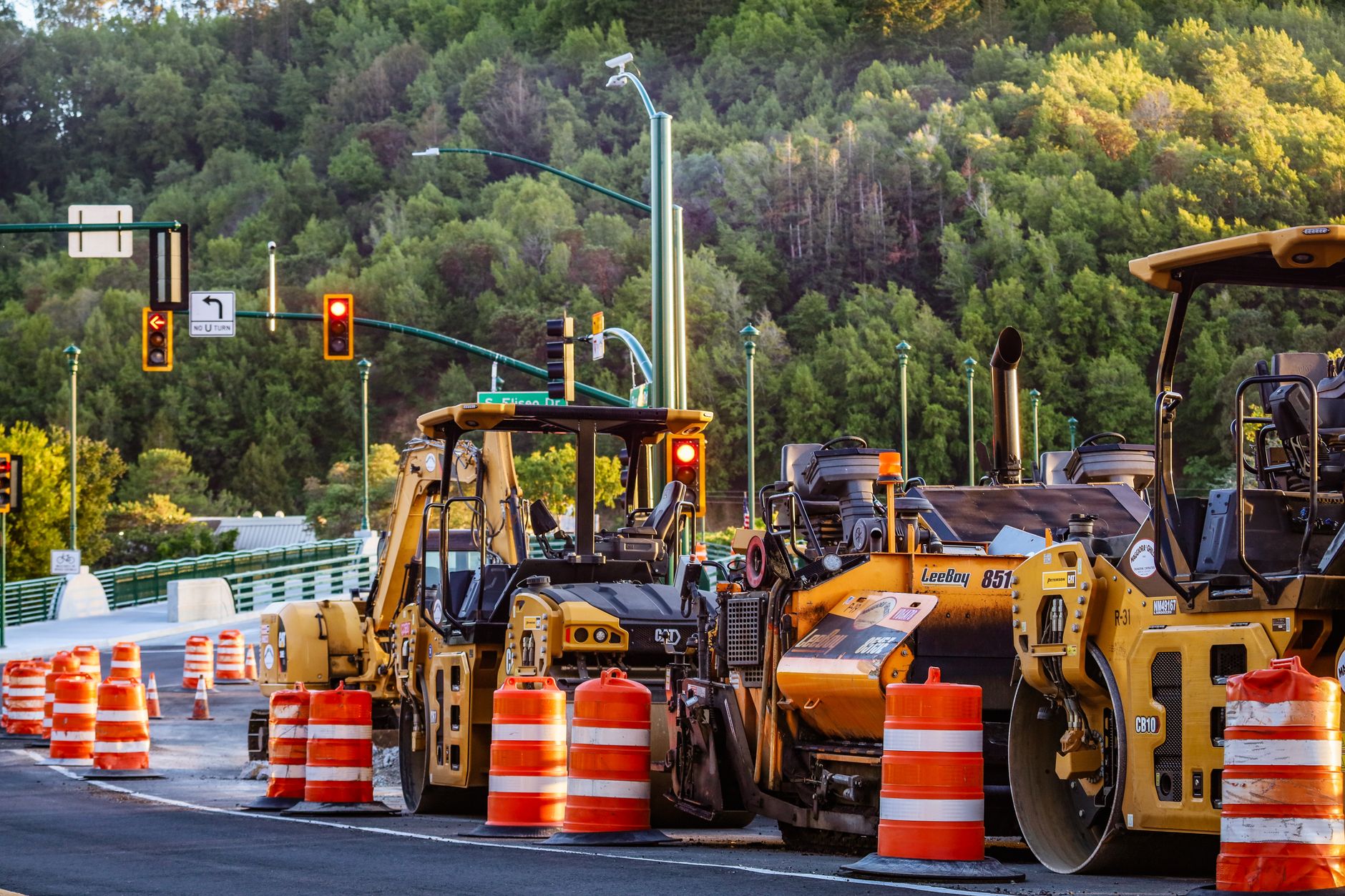
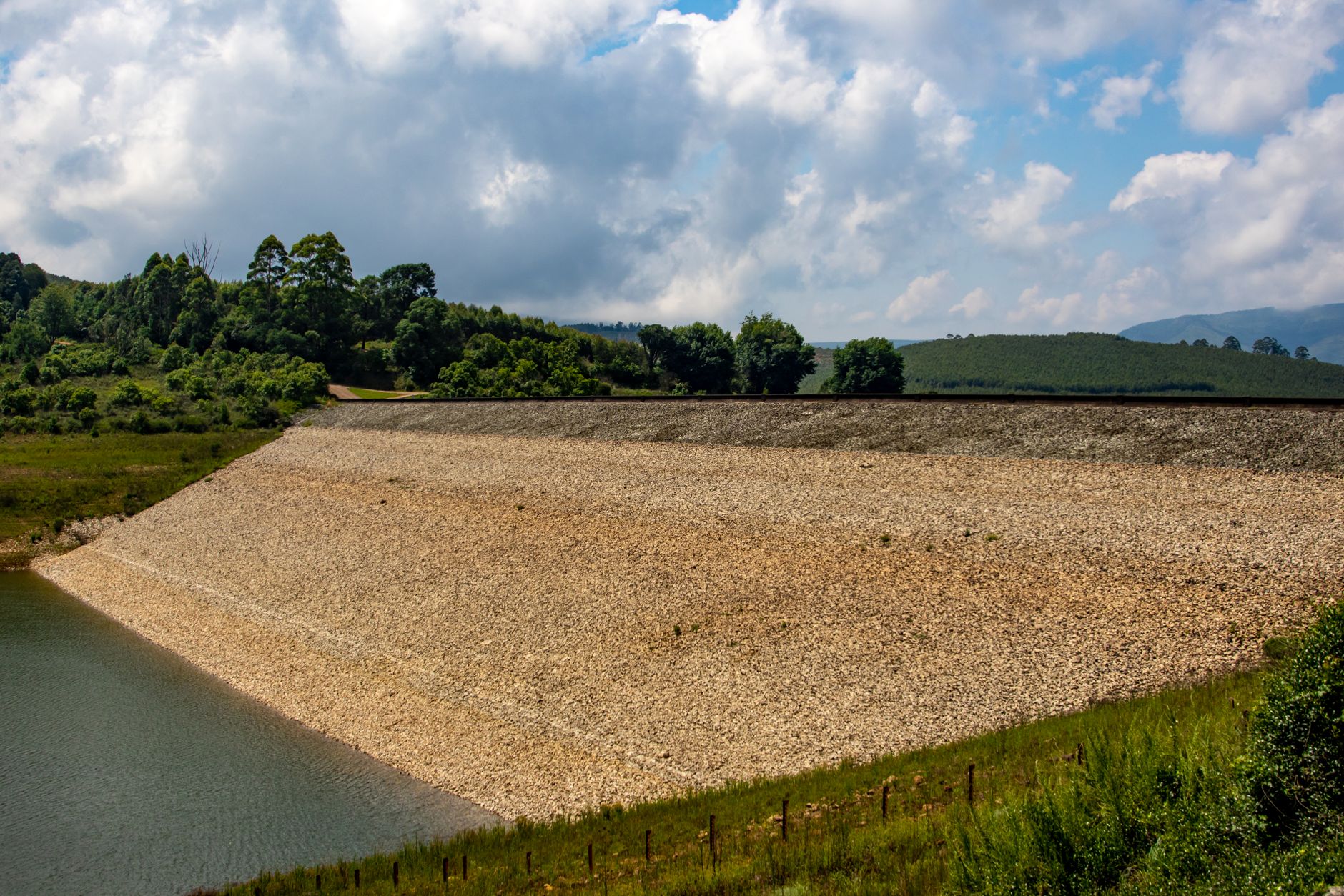
A culvert running deep beneath a northern California highway split apart, pulling soil downward and opening a sinkhole in the pavement above. Crews faced a steep roadside slope where aggressive excavation could trigger a landslide, so every cut had to be justified with hard geometry, not guesswork.
The pipe was roughly 300 feet long and 42 inches in diameter, a confined corridor no one wanted to enter on foot. Past twenty feet of cover, the agency would need site specific engineered drawings, yet nobody knew the true depth or alignment all the way through the failure zone.
- Confined interior with unstable embankment nearby
- Unknown joint location driving unnecessary trenching
- Traffic, ventilation, and permit overhead for human entry
Quadruped carrier for mobile SLAM lidar
Field staff paired a walking quadruped platform with a simultaneous localization and mapping lidar payload, plus a panoramic camera, high output lighting, and a long range wireless link. The robot crossed loose gravel, limbs, and mud while an operator drove it from a tablet at the culvert mouth.
Static lidar setups struggle inside curved pipes where line of sight breaks every few feet. Continuous motion capture let one pass produce a geo referenced three dimensional model of curvature, the separated joint, and debris such as traffic cones that had fallen from the deck above.
- Position robot at pipe entrance without entering the barrel
- Run a single mobile scan instead of multiple static setups
- Review the model the same evening to size a targeted trench
Geo referenced model in minutes, not days
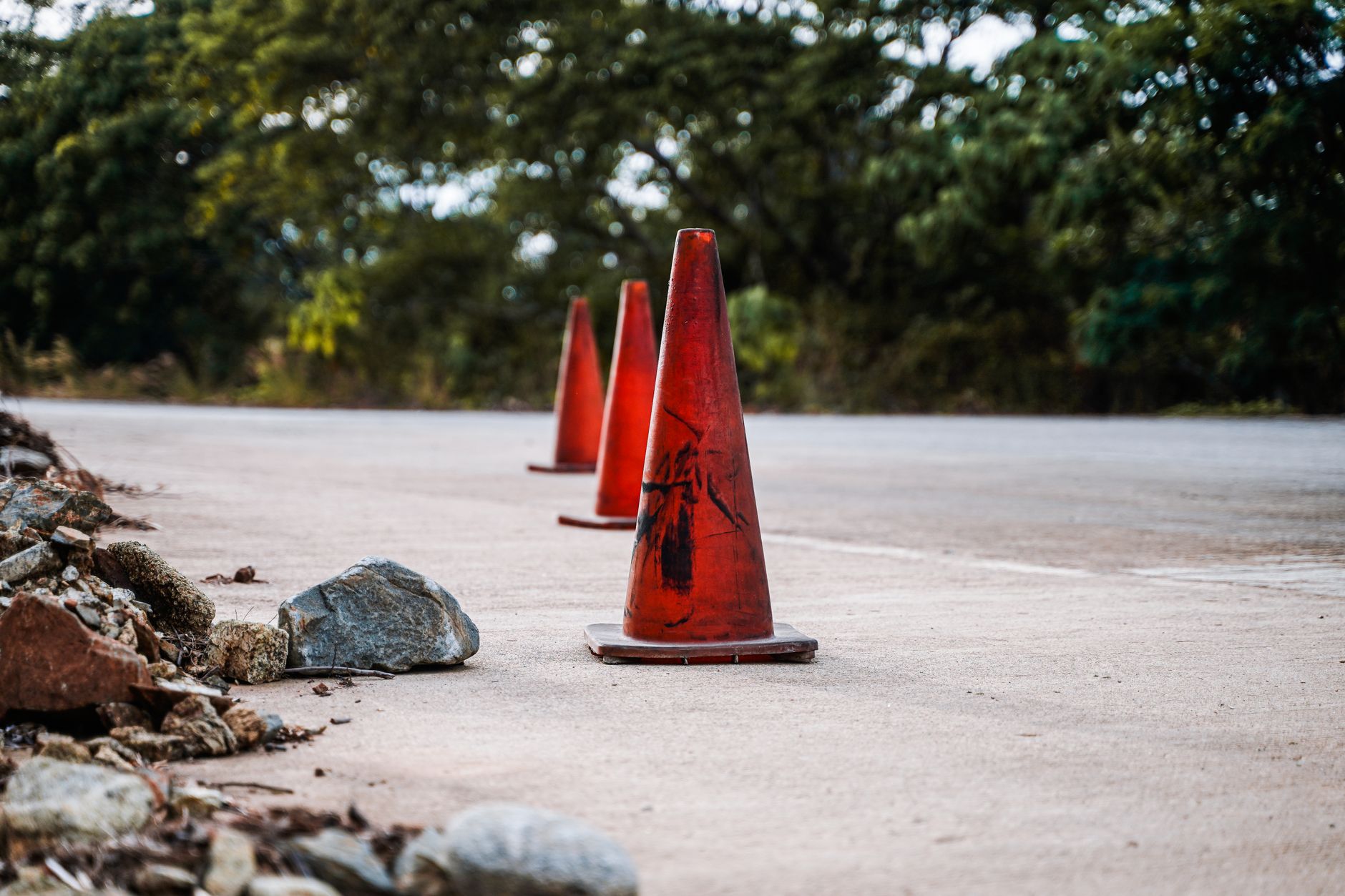
Traffic on the deck paused for about five minutes during the active scan. In under ten minutes of robot operation the team had a complete three dimensional image that showed where the pipe failed and how the break lined up with the sinkhole above.
Engineers confirmed the failure tracked the surface depression and that the trench could hug the culvert without cutting into the vulnerable slope. Leadership estimated the robot helped avoid roughly fifty to sixty thousand dollars in permits, unnecessary excavation, and potential environmental mitigation compared with a blind dig program.
What this means for inspection heavy infrastructure teams
Documented deployments like this show why transportation and utility owners evaluate quadruped inspection robot rental when culverts, bridge cells, or tunnel plenums sit outside safe human access. The win is not novelty. It is faster geometry, fewer confined entry events, and budgets anchored to measured risk.
Service Robot Co. is a vendor neutral commercial robot integrator for U.S. businesses. We match the right quadruped or crawler platform to your site, then handle financing, deployment, training, and nationwide service so one partner owns the full lifecycle. Month to month robot leasing for business pilots, site assessment mapping, and inspection robot rental programs can prove value on a single high stakes corridor before you scale.