
a New England demolition contractor renovating a historic civic building
How a Historic Renovation Saved 456 Labor Hours With Demolition Robots
A documented construction case study showing how a remote-controlled demolition robot saved 456 labor hours and finished 25% under budget in a historic rehab.
- 456 hrs
- labor saved
- 25%
- under budget
- 50%
- higher productivity
- 8 days
- demolition completed
Based on a documented real-world deployment. Figures are from public reporting; the organization is not named.

A basement demolition with almost no margin
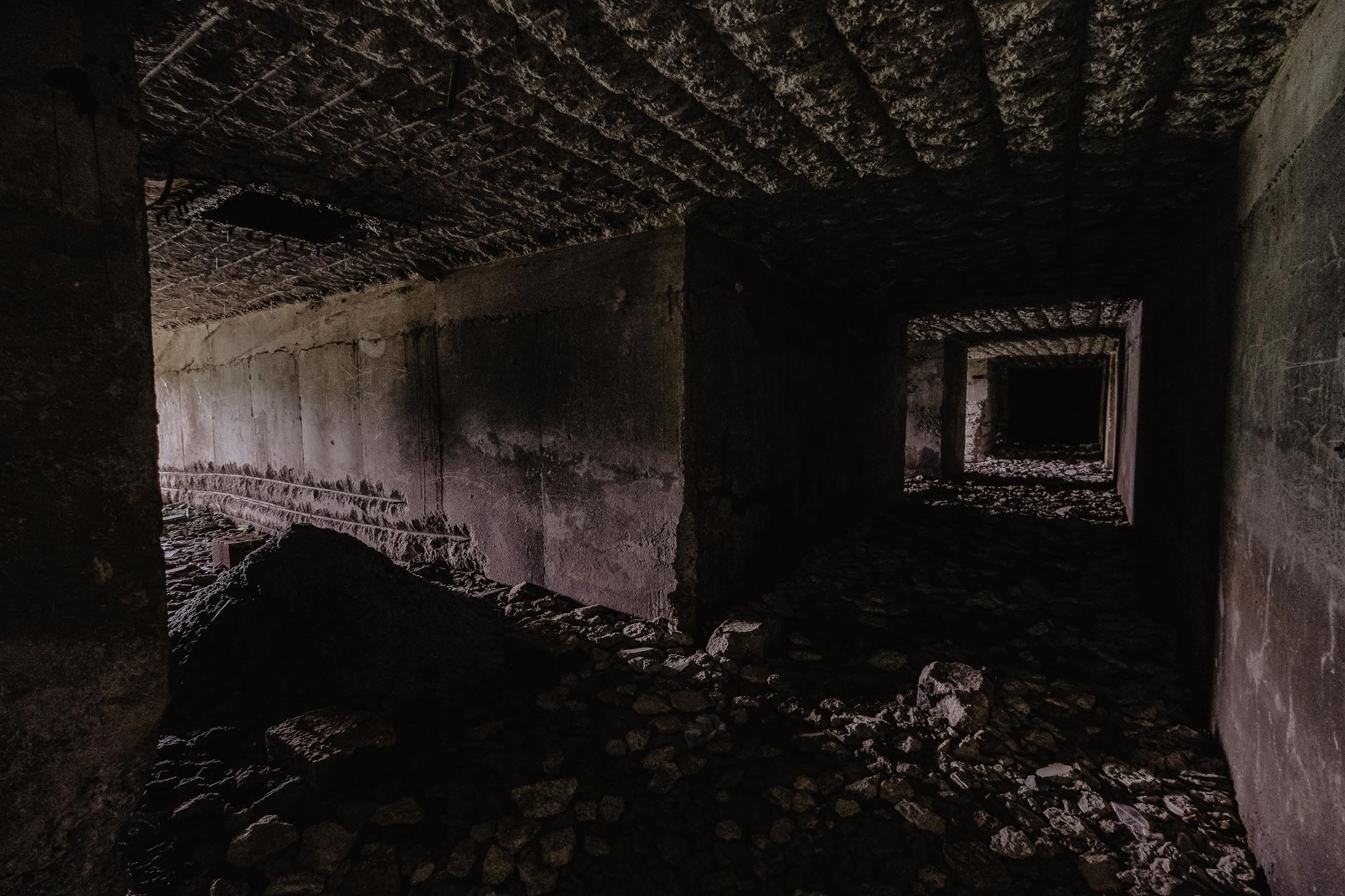
A New England demolition contractor was renovating a 120-year-old civic building and had to remove a 36-inch-thick concrete pool buried in the basement. The structure was old, the room was tight, and the concrete was too substantial for a casual mechanical approach.
Access defined the job. The crew needed a demolition method compact enough to fit through a standard door, capable of working in cramped quarters, and disciplined enough to keep headcount low in a confined space. COVID-related distancing and confined-space liability only sharpened the constraint.
- Historic building, basement location, and restricted access
- 36-inch-thick concrete pool in a confined room
- Standard-door entry ruled out bulkier equipment
- Crew-size pressure tied to safety and distancing
Compact mechanized demolition in a tight envelope
The contractor selected a compact remote-controlled demolition robot after reviewing the slab thickness, room size, and access path. The appeal was not novelty. It was power-to-weight ratio, precise remote operation, and the ability to bring mechanized breaking into a space where larger equipment would struggle.
The rollout was practical and fast. According to the source case, the robot and training support were on site within 48 hours, the operator received hands-on instruction, and the demolition setup paired the robot with supporting equipment for debris handling while fans, water, and negative air helped control dust.
- Assess the basement access, concrete thickness, and confined-space risk
- Bring in a compact robot and on-site operator training within 48 hours
- Lower the robot and supporting equipment into the basement for staged removal
- Use dust-control measures and coordinated debris extraction to keep the job moving
Measured gains on speed, labor, and budget
The documented demolition scope was completed in eight days with a crew of four. Productivity ran 50% higher than alternative methods, which let the team move into later project phases faster and keep the broader renovation on schedule.
The contractor estimated 456 labor hours saved and finished 25% under the original budget. The source also reports no complaints from tenants or neighbors, which matters on a historic renovation where disruption can create its own cost.
Where this points for contractors evaluating robotics

This was not a Service Robot Co. deployment. It is a documented field example that shows where remote-controlled demolition robots make hard economic sense: thick concrete, tight interior access, load-sensitive structures, and schedule pressure that punishes slow hand demolition.
Service Robot Co. is a full-service, vendor-neutral robot integrator for US businesses. For contractors weighing robot leasing for business, purchase or lease, or a commercial robot demo before commitment, we select the right robot across manufacturers, handle robot deployment and integration, train crews, and support each unit through a nationwide US engineer network. One partner, one number, across the full lifecycle.