a home-care program serving older adults
Medication Robot Case Study: 92.4% Fewer Home-Care Visits
A documented home-care trial found medication-management visits fell 92.4% in two months, while staff working time dropped from 54.2 to 34.9 minutes.
- 92.4%
- Fewer visits at 2 months
- 89.4%
- Fewer visits at 1 month
- 54.2 min
- Baseline staff time
- 34.9 min
- Post-rollout staff time
Based on a documented real-world deployment. Figures are from public reporting; the organization is not named.
Why the old routine was hard to sustain
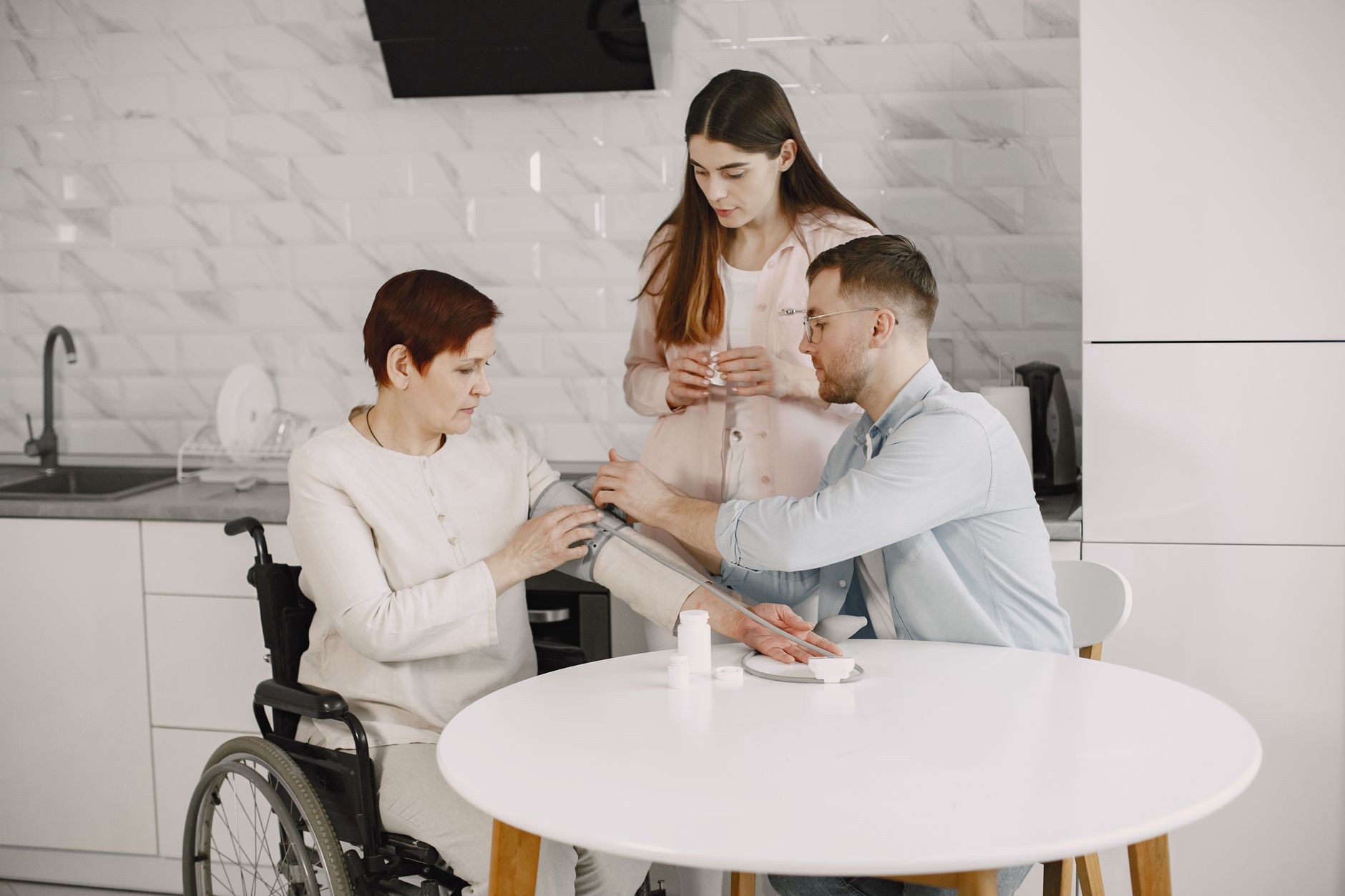
The pressure point was not diagnosis or acute care. It was repetition. Home-care professionals were making medication-only visits into older adults' homes, often as part of a packed daily route, simply to administer doses that had already been prescribed and prepared.
That kind of work matters, but it also consumes scarce field time. In the documented trial, the underlying case for automation was straightforward: reduce repetitive medicine-administration travel, protect medication timing, and return staff capacity to tasks that still call for human judgment, observation, and reassurance.
- Medication management was a recurring daily task for home-care staff.
- The program needed to cut visit volume without abandoning safe dose timing.
- Any change had to work in real homes, with older adults using the device day after day.
How the robot was introduced into the workflow

The program used a pragmatic, non-randomized controlled trial. Older home-care clients were allocated into an intervention group that received the medication robot and a control group that continued the usual process. Regular medications were packed by the pharmacy into single-dose bags for two weeks at a time.
In intervention homes, staff loaded those bags into the robot, which dispensed medication at the right time and prompted the client with spoken and written cues. The study then tracked what changed at baseline, one month, and two months. After introduction, staff effort shifted away from manual administration and toward ordering medications, loading the robot, monitoring effects, and providing education.
- 64 clients entered the intervention group and 46 remained in the control group.
- Medication was prepared in single-dose bags, sufficient for two weeks.
- The robot dispensed doses on schedule and issued reminders in the home.
- Working time and home-visit frequency were measured before the change, at 1 month, and at 2 months.
What changed after two months
The largest shift was visit volume. In the intervention group, medication-management home visits fell 89.4% after one month and 92.4% after two months, compared with pre-intervention. The control group stayed essentially flat during the same follow-up period.
Working time moved in the same direction once visit frequency was accounted for. Total staff time used for medication management fell from 54.2 minutes to 34.9 minutes in the intervention group, a drop of slightly more than 19 minutes. Just as important, the work itself changed: after robot introduction, staff were no longer spending time on manual dose administration steps that the device had taken over.
What this means for Service Robot Co. buyers
Service Robot Co. did not run this documented program. The relevance is structural. This case shows that a healthcare robot can remove a very specific class of repetitive field work, medication-only visits, and free staff time for care activity that still belongs with people.
For U.S. operators, that result depends on more than picking a device. It depends on selection, financing, rollout, training, integration, and service ownership. That is the role of Service Robot Co. as a vendor neutral robot integrator: one partner for purchase or lease with monthly payment programs, robot deployment and integration, staff training, and nationwide lifecycle support across manufacturers.