
a Texas-based home furnishings wholesaler operating multiple warehouse facilities with a high-SKU furniture mix
How a Home-Furnishings Wholesaler Cut Trailer Unload Time 75% with Loading Robots
A Texas furnishings wholesaler cut trailer unload time 75% and loading time 50% with autonomous dock robots across multiple warehouses. Lessons for high-SKU distribution.
- 75%
- Faster unloads
- 50%
- Faster loads
- 4x
- Dock throughput
- 50%
- Fewer touches
Based on a documented real-world deployment. Figures are from public reporting; the organization is not named.
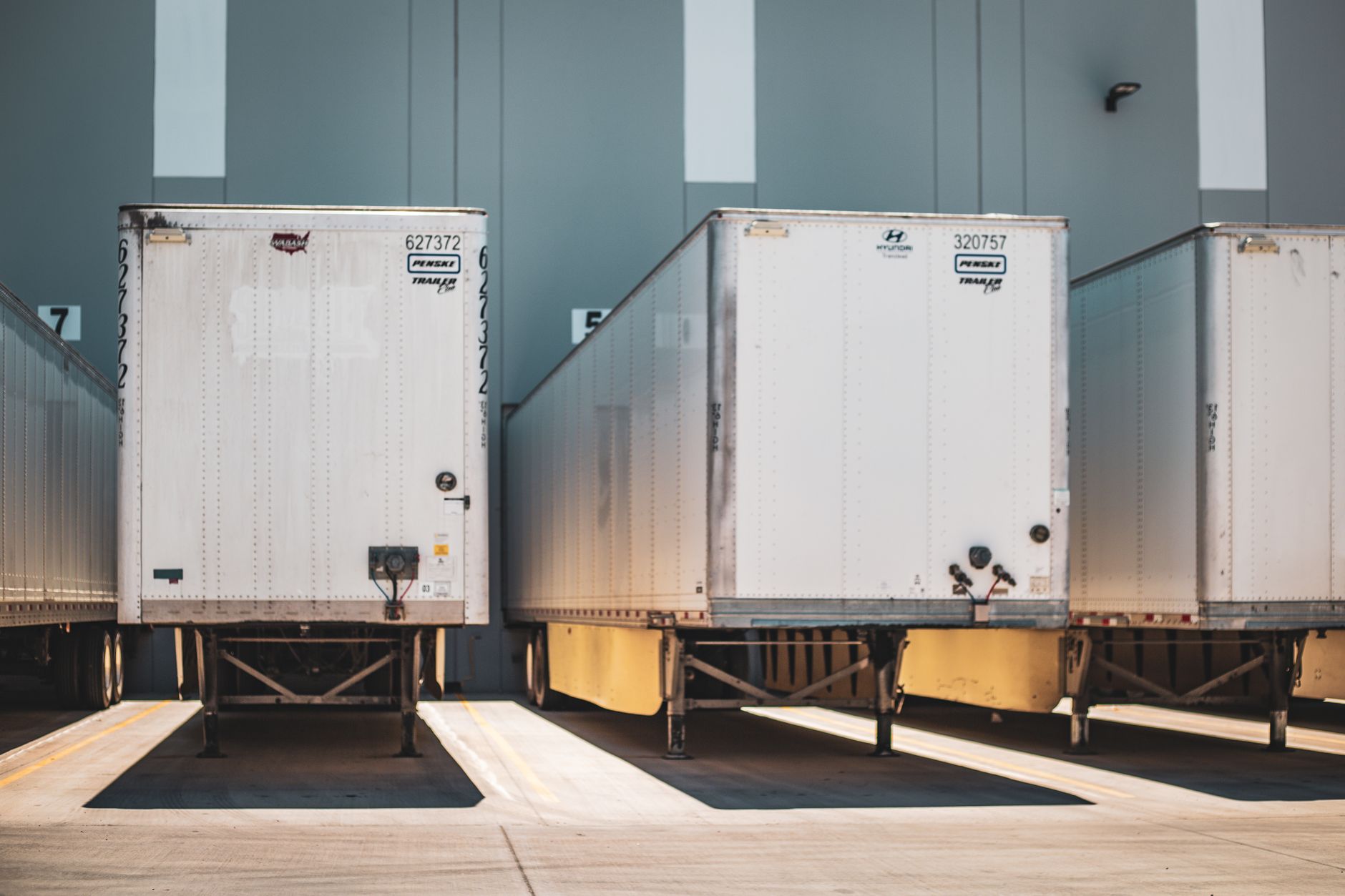
Dock bottlenecks on a heavy SKU mix
The wholesaler ships lifestyle home furnishings from multiple Texas warehouses. SKUs range from small lamps to marble tables weighing hundreds of pounds.
Loading and unloading trailers by hand took eight to ten people up to ninety minutes per trailer. That pace created dock bottlenecks and kept drivers waiting.
Leadership needed automation that could handle diverse product sizes without a long IT integration or building redesign.
Autonomous loading robots at the dock
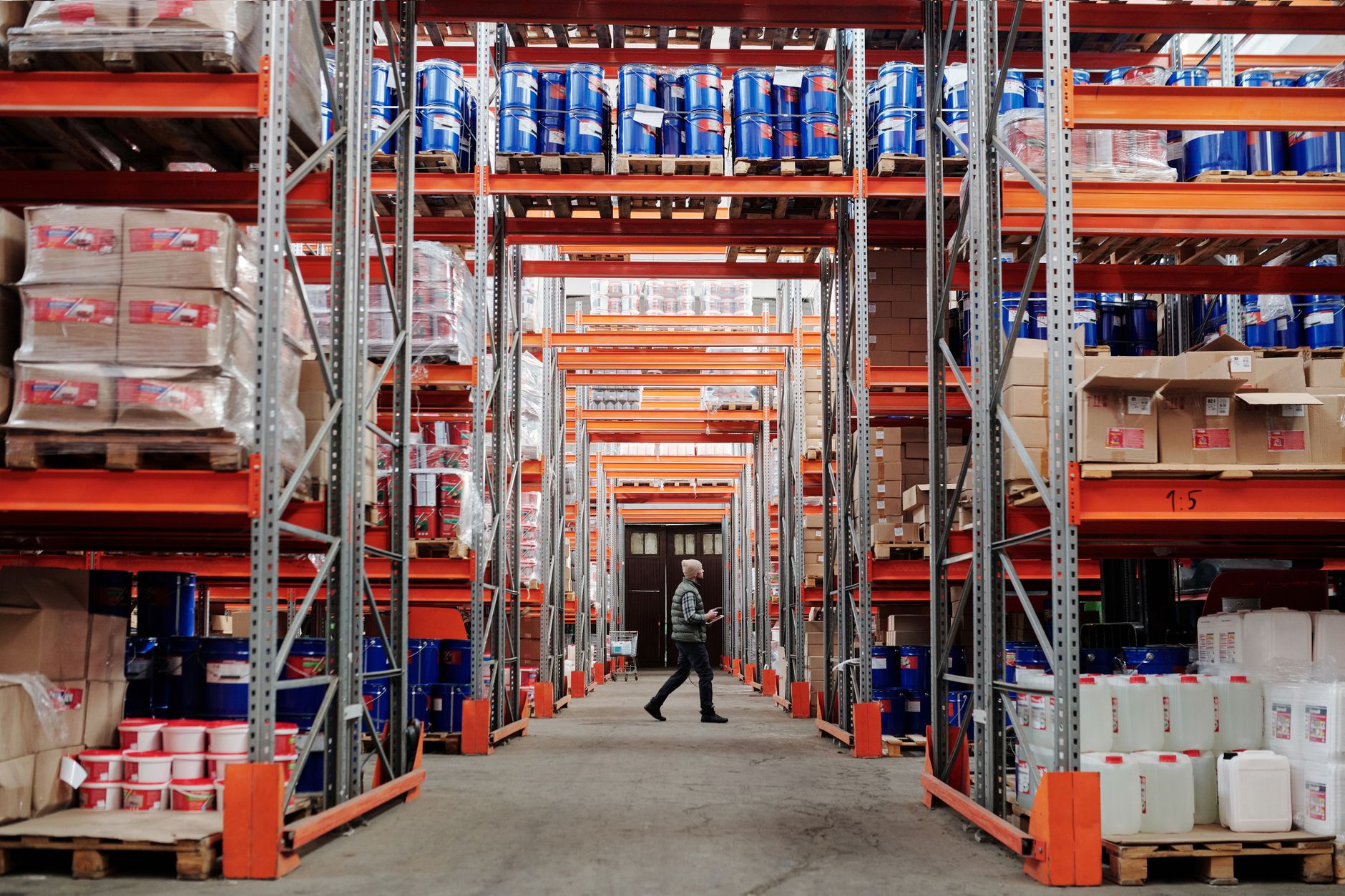
The operation deployed autonomous loading robots across several facilities, starting with rapid training so floor teams could load freight onto the units at the dock.
Workers place product on the robots instead of the trailer floor. The units roll into trailers for outbound moves and roll out on arrival so teams can unload from multiple sides.
The rollout targeted both inbound and outbound lanes where manual touches and trailer entry created the most strain and safety risk.
- Identify trailers with the longest manual load and unload times
- Deploy loading robots without new Wi-Fi or IT integration
- Train dock staff on load sequencing for mixed-weight SKUs
- Expand to additional buildings after throughput gains show up
Measured dock performance gains
Operations leadership reported an almost 75 percent reduction in trailer unload time, a 50 percent reduction in loading time, and 50 percent fewer product touches after deployment.
Throughput at the dock rose fourfold across the facilities using the robots, according to the February 2025 announcement.
Associates spend less time inside trailers, which cuts heat exposure and manual handling on heavy pieces.
What this means for your warehouse
High-SKU distribution centers often lose hours at the dock before goods ever reach storage aisles.
Service Robot Co. evaluates loading, tug, and AMR options OEM-neutrally, then structures buy or lease financing with deployment and RoboCare service on one contract.
A free site assessment can pinpoint which dock lanes justify a pilot before you scale robots across buildings.