a third-party fulfillment operator running home furnishings and textiles near a major Southeast port
How a Home Goods 3PL Raised Labor Efficiency Fivefold With Warehouse Robots
A home goods 3PL reported roughly fivefold labor efficiency with warehouse robots in a 1.1M sq ft building. Grounded MMH metrics for teams comparing AMR rental and integration.
- 5x
- Efficiency
- 1.1M
- Sq ft DC
- 100+
- Mobile bots
- 20-25
- Per shift
Based on a documented real-world deployment. Figures are from public reporting; the organization is not named.

E-commerce mix outgrew manual fulfillment
The fulfillment company processes home furnishings and textiles for retail clients, including a growing share of pick-and-pack e-commerce units. That segment climbed from roughly five to ten percent of volume in earlier years toward about twenty to twenty-five percent, which demands dense storage and fast each picking.
In a 1.1 million square foot building near a major Southeast port, conventional manual processes would have required on the order of one hundred twenty-five associates per shift during non-peak periods to hit service levels. Leadership needed automation that could scale peak season by running more hours, not endlessly adding headcount.
- Rising pick-and-pack share among bulky and varied home goods
- Space and labor limits in a million-plus square foot facility
- Client service levels that could not slip during seasonal spikes
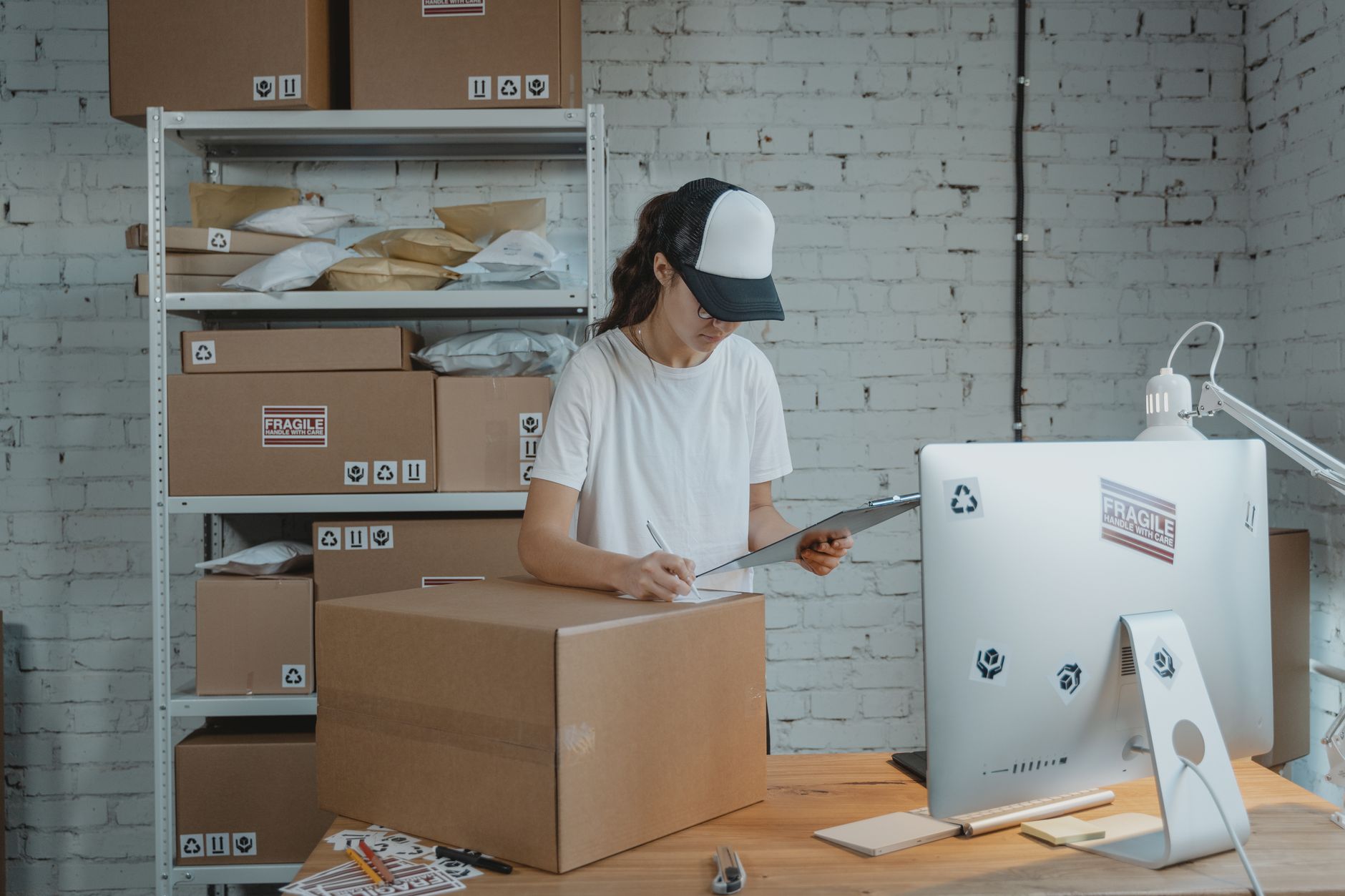
Mobile robots plus robotic arms in one orchestrated DC
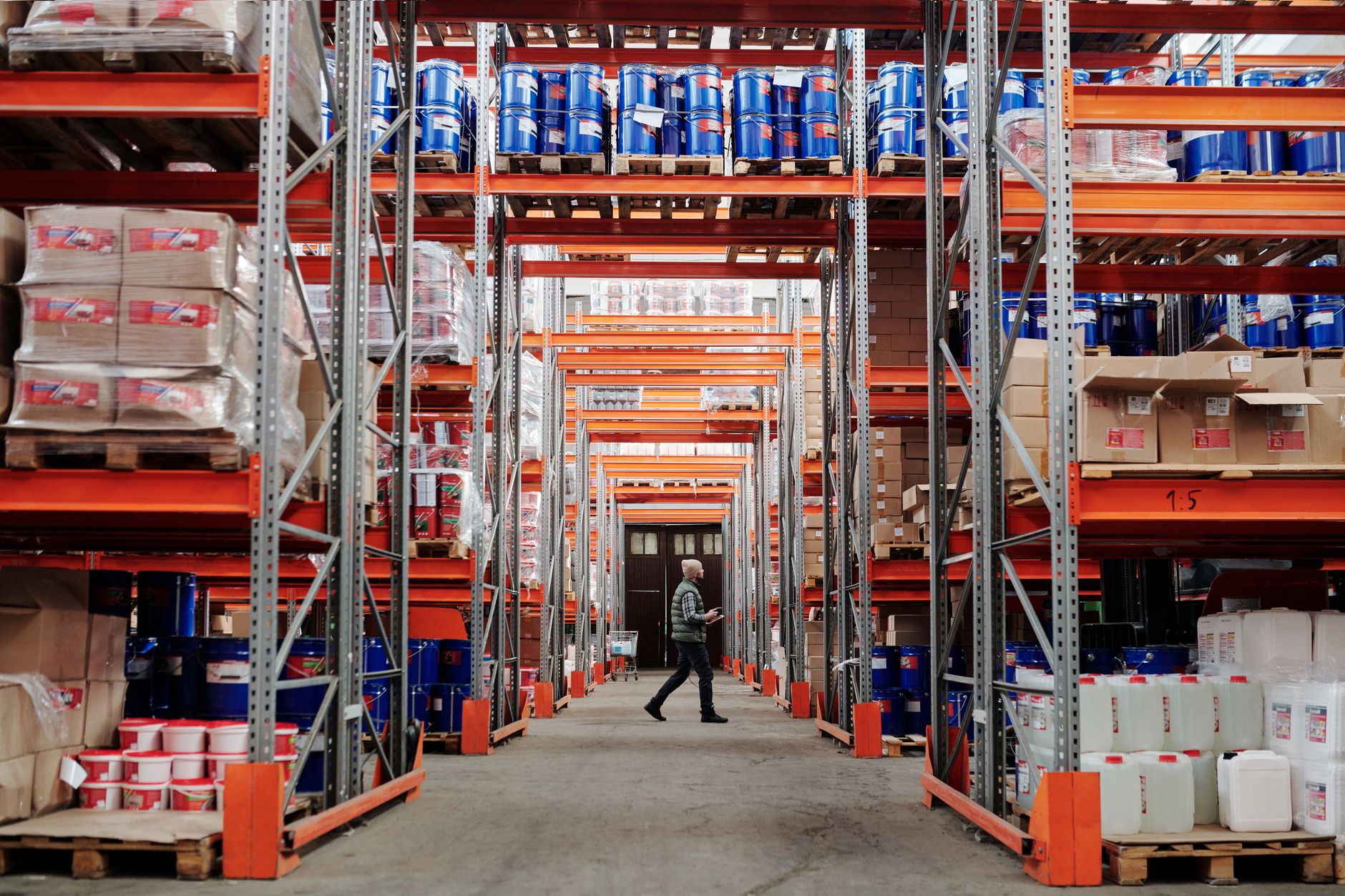
The operator deployed more than one hundred mobile robots working alongside robotic arms and shelf-to-person workstations tuned for eaches. The design targeted both carton handling and the smaller-item pick paths that manual pallet jacks struggled to serve efficiently.
Engineering broke down workflows before bolting on hardware, then trained associates on robotic stations instead of first teaching manual truck navigation across the entire building. Peak capacity came from extending robot run hours rather than hiring another full shift of manual pickers.
- Model manual flows in the 1.1 million square foot footprint first
- Deploy a large mobile robot fleet with robotic picking stations
- Shift training to station workflows and exception handling
- Scale peak by adding robot hours instead of linear labor
Fivefold efficiency and a thinner steady-state crew
The operator estimates roughly a fivefold leap in labor efficiency versus what manual processes could have delivered in the same building. Steady-state staffing dropped to about twenty to twenty-five people per shift where manual methods would have needed near one hundred twenty-five during non-peak periods.
Robotic arms processing cartons reached on the order of four hundred to five hundred picks per hour depending on carton characteristics, while shelf stations handled wide SKU variety at ergonomic work heights. The site positions the project as proof that bulky home goods and small eaches can share one heavily automated building.

Lessons for high-mix fulfillment operators
This published example is not a Service Robot Co. customer record. It still shows what integrated warehouse robotics can do when mobile transport, robotic arms, and goods-to-person stations are planned as one system.
Service Robot Co. helps operators evaluate autonomous mobile robots, robotic picking, and supporting automation with vendor-neutral selection, rental or lease paths, site mapping, and nationwide service. A free site assessment is the starting point when pick-and-pack share is climbing faster than hiring.