a major hospital network's main-campus parking facility
Hospital Parking Security Case Study: Zero Crimes in 12 Months
A documented hospital parking security case study: recurring weekly crime fell to zero over 12 months after autonomous patrol coverage began.
- 0
- crimes in 12 months
- 2/week
- average prior crime rate
- 12 months
- measured follow-up
- 24/7
- open-access property
Based on a documented real-world deployment. Figures are from public reporting; the organization is not named.
The Security Problem
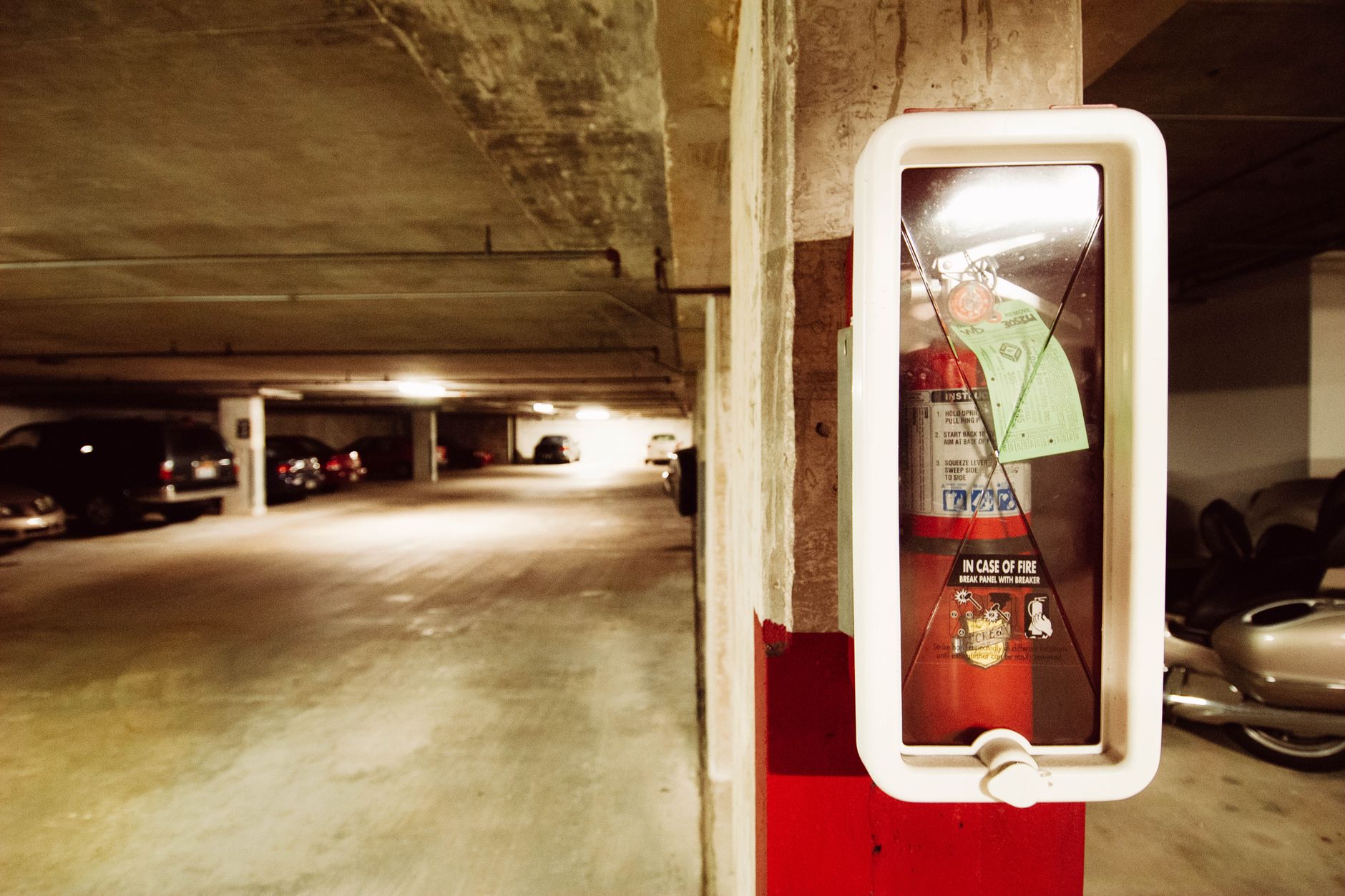
A major hospital network's main-campus parking facility was dealing with recurring crime in a setting that never truly closes. According to the documented account, the lot was averaging 2 crimes per week before autonomous patrols entered the picture.
That kind of pattern creates more than incident reports. It changes staff behavior, raises escort demand, and leaves security leaders trying to cover a large, exposed environment where visibility is uneven and foot traffic shifts by the hour.
The setting mattered. This was an open-access property operating 24/7, without perimeter gates or fences limiting entry. Persistent presence and dependable patrol coverage were the missing pieces.
- Recurring parking-lot crime at an average of 2 incidents per week
- A healthcare environment with employee safety concerns tied to parking access
- Open-access conditions with no perimeter gates or fences
- A need for visible patrol activity and a record of where coverage occurred
How The Patrol Model Was Introduced
In the documented deployment, the operator added an autonomous patrol robot to the parking-security program to create continuous visibility in a large, hard-to-cover area. The practical goal was not novelty. It was steadier deterrence, broader patrol presence, and clearer accountability around coverage.
For a healthcare property, that kind of rollout works best when it is treated as an operating change, not a gadget drop. The patrol path has to match shift patterns, security staff need clear escalation rules, and the site needs service support so the robot remains a dependable part of the post order.
This is also where a vendor neutral robot integrator matters. Service Robot Co. helps buyers choose the right security patrol robot rental or autonomous patrol robot program, then handles financing, deployment, integration, training, and service so one partner owns the lifecycle.
- Select a security robot suited to a public-facing healthcare parking environment
- Map patrol activity to the facility's highest-risk parking zones and traffic periods
- Train the security team on response, exception handling, and audit use
- Keep the unit supported through ongoing service so patrol coverage stays consistent
Documented Outcomes
The reported result was stark. A property that had been averaging 2 crimes per week recorded zero crimes in the following 12 months after the autonomous patrol robot was deployed.
That outcome stands out because the facility remained an open-access site operating 24/7. There was no claim that access had been sealed off or that the property had become easier to control. The change came from persistent patrol visibility and a security presence that could be seen and heard throughout the garage environment.
For hospital operators, the operational significance is straightforward. When repeated incidents stop for 12 months, the robot is no longer a pilot curiosity. It has become part of the site's risk-control posture.
What This Means For Service Robot Co. Buyers

This example is not presented as a Service Robot Co. deployment. It is a documented real-world case that shows why healthcare security teams are looking seriously at autonomous patrols for exposed parking areas.
The buying challenge is usually not finding a machine. It is getting the right machine selected, financed, deployed, integrated into existing security routines, trained in properly, and kept serviceable over time. Service Robot Co. is built for exactly that gap as a full-service, OEM-neutral commercial robot integrator for US businesses.
For a hospital, campus, or commercial property evaluating a security patrol robot rental, robot as a service structure, or lease rental or sale model, the practical value is one partner for the whole lifecycle. That includes site assessment mapping, go live support, and ongoing service through a nationwide US engineer network.