a large acute-care hospital's mechanical plantroom
How a Hospital Plantroom Cut Three Daily Patrols With Autonomous Leak Monitoring
A mobile plantroom robot cut three daily maintenance patrols at an acute-care hospital and detected leaks in 80% of test events, with 90% of detections improved.
- 80%
- Leak detected
- 90%
- Report rate
- 3
- Patrols cut
Based on a documented real-world deployment. Figures are from public reporting; the organization is not named.
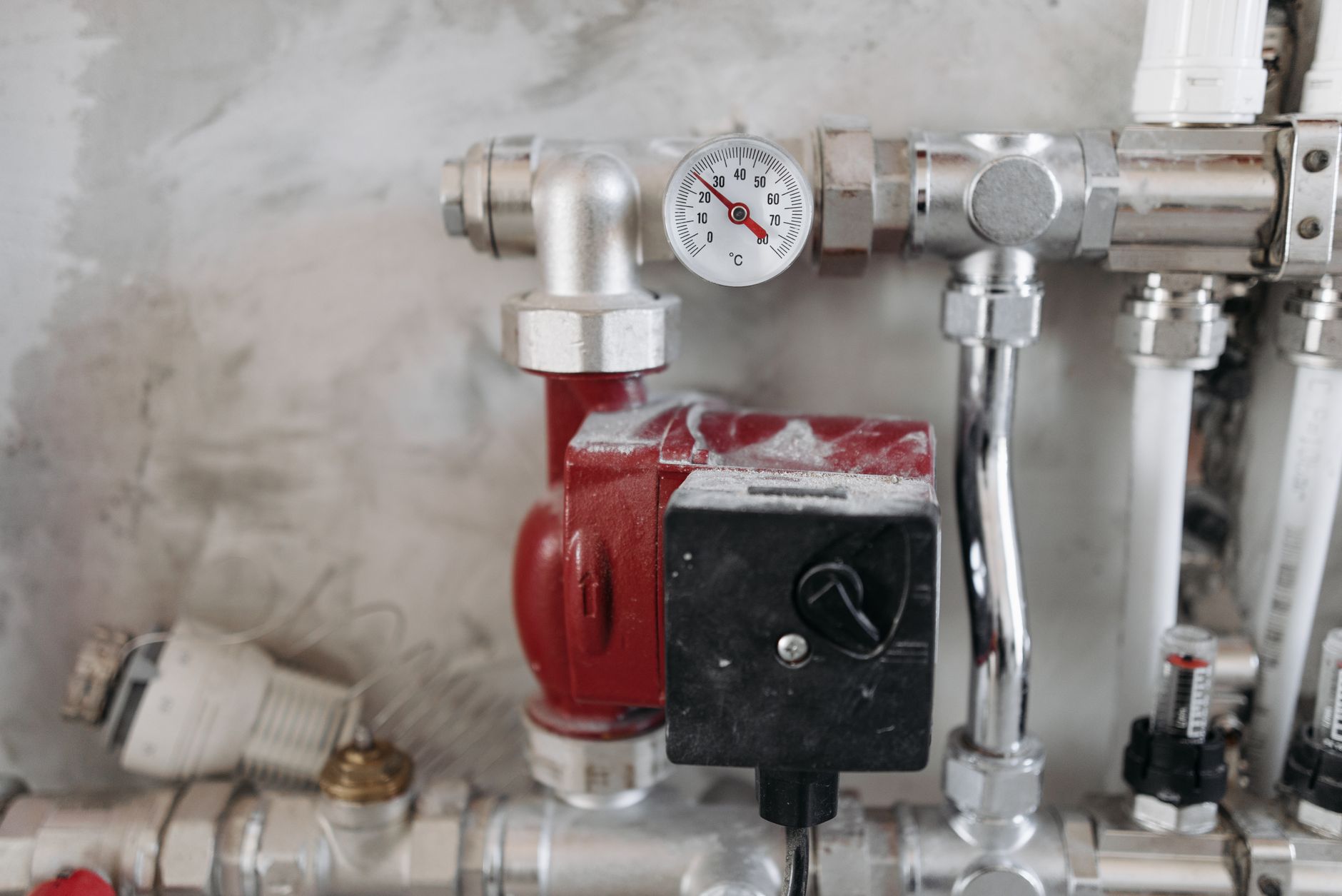
A sprawling plantroom outran fixed sensors and foot patrols
A large acute-care hospital's mechanical plantroom feeds steam, chilled water, and backup power to clinical wings. Leaks in that maze of pipework can soak insulation, trip electrical gear, and force ward closures if they go unnoticed.
Hard wired leak sensors could not economically blanket every aisle and riser. Maintenance crews responded by walking the plantroom on a fixed rhythm, often three patrols each day, eyes on drip trays and valve packs that still hid slow seepage behind racks.
- Fixed sensors were costly to scale across the full footprint
- Three manual patrols per day still left blind spots
- Unplanned shutdowns risked disrupting patient care areas
A mobile sensing platform took over repeatable surveillance
Facilities leaders paired with a public innovation program and a university robotics lab to trial an autonomous plantroom inspection platform. Leak spotting was the first task because spills are hard to see at scale yet expensive when they escalate.
The robot carried liquid sensing suited to plantroom floors and followed programmed routes through congested aisles. Data from each pass fed reporting tools so shift teams saw spill cues without standing watch in person for every lap.
- Define leak detection as the initial autonomous task
- Map patrol paths around live mechanical equipment
- Train maintenance leads on alerts and escalation
- Compare robot findings against staged spill tests
Patrol demand fell while leak trials hit four in five

In published trial work, the platform detected a leak in 80% of test events. System improvements raised the share of leak detections reported through the new workflow to 90%, giving operators earlier notice than walkdowns alone.
Maintenance staff cut back the three daily plantroom patrols that had been dedicated to leak hunting. Teams expected shorter, less frequent shutdowns when failures surfaced sooner, which protects clinical uptime when plant gear falters.
What hospital facilities teams can plan for
Plantrooms reward mobile inspection because layouts change and pipe runs hide slow leaks. A vendor neutral integrator can match autonomous leak detection or broader plantroom AMRs to your footprint, then finance, deploy, and service units through regional engineers in all fifty states.
Month to month robot rental or a pilot on one mechanical level lets you prove patrol savings before you retire every foot route. Service Robot Co. runs site assessments, trains facilities staff, and keeps one number for integration, spare coverage, and emergency dispatch.