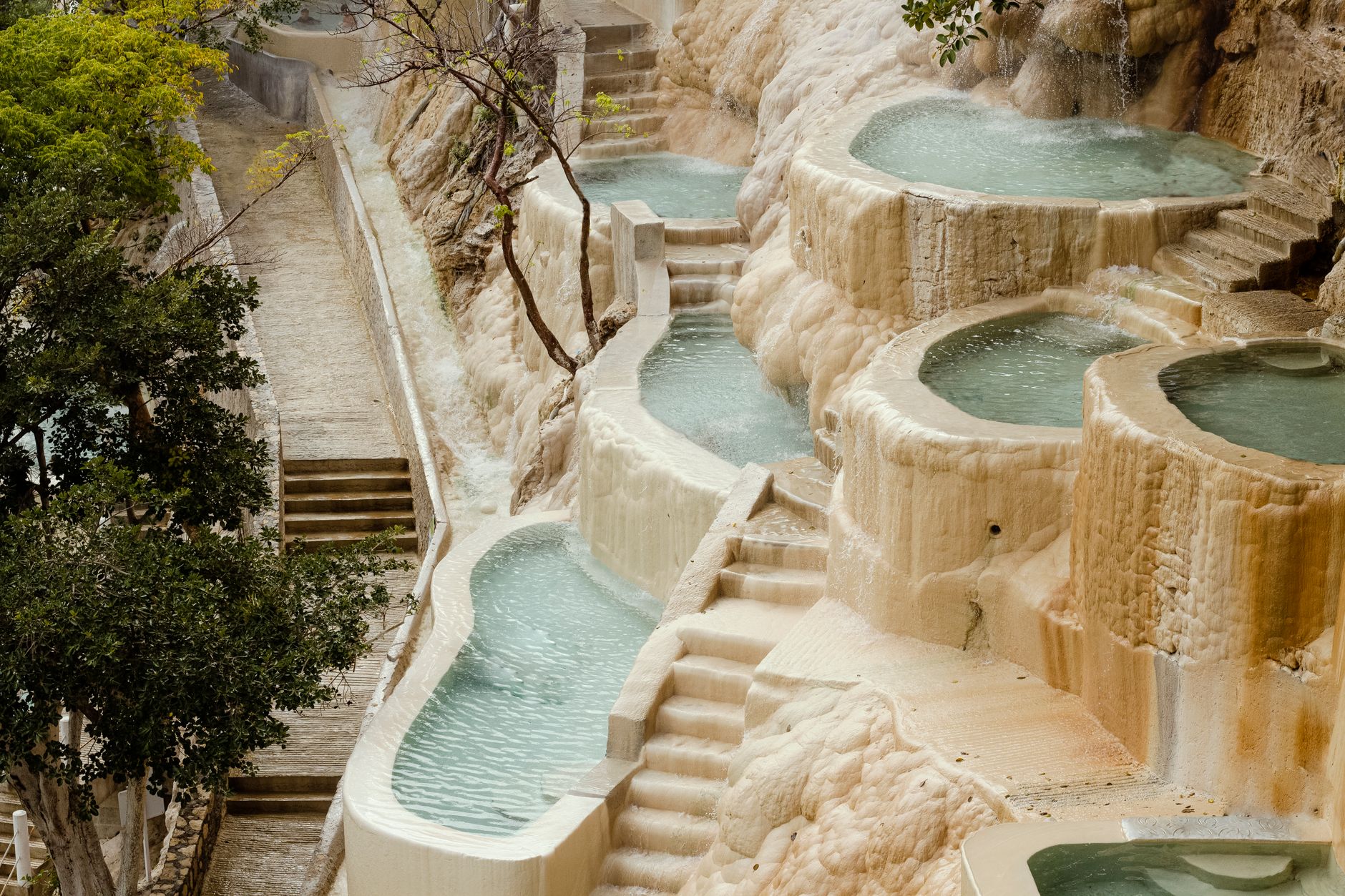
a large hot spring resort property in Japan
How a Hot Spring Resort Saved 600+ Cleaning Hours a Year With an Upright Scrubber
A large hot spring resort deployed a smart upright scrubber and reported tasks that took two staff an hour now finish in twenty minutes, saving 600+ labor hours yearly.
- 600+
- hrs/yr saved
- 80%
- faster tasks
- 20 min
- per run
- 1
- scrubber
Based on a documented real-world deployment. Figures are from public reporting; the organization is not named.

Manual scrubbing varied by shift and skill
This hot spring resort needed large guest and spa areas scrubbed to a consistent standard, but manual methods varied with staff technique and stamina. Tasks that required two employees could take an hour and still leave stubborn stains that needed extra elbow grease.
Management wanted standardized hygiene without pulling attendants away from guest-facing service during peak check in windows.
- Two-person scrubbing blocks took about an hour per area
- Inconsistent results across shifts and skill levels
- Physical strain on staff scrubbing stubborn stains
- Limited time to redeploy cleaners to guest service
Smart upright scrubber with standardized pressure
The resort introduced a smart upright scrubber dryer that applies consistent brush pressure, suction, and water flow so newer staff can match experienced cleaners. Leadership trained teams on quick setup so one operator can run routes that previously needed pairs of workers.
The goal was to standardize hygiene while freeing attendants to improve reception and personalized guest touches.
- Standardize brush pressure and suction on each pass
- Train one operator per route instead of two-person teams
- Target stubborn stains without manual scrubbing marathons
- Redirect saved time to guest service and reception quality
Six hundred plus hours returned to guest service

Published reporting states tasks that once required two staff members for an hour can now be completed by one person in about twenty minutes, an efficiency gain leadership describes as roughly eighty percent on those jobs.
The same announcement cites more than six hundred labor hours saved annually, with staff time shifted toward customer service, reception refinements, and personalized guest experiences.
What resort and hospitality operators can copy
This account documents a Japanese hot spring resort deployment, not a Service Robot Co. customer story. It still shows how a vendor-neutral integrator should scope upright scrubbers: pilot one high-traffic zone, measure minutes and labor hours for ninety days, then expand to banquet and spa wings.
Service Robot Co. selects scrubber platforms, runs site assessments, and supports commercial cleaning robot rental or lease programs with a nationwide network of regional service engineers on one contract. Phased pilots keep guest areas open while routes are tuned.