a high-rise hotel construction project in Tokyo
Hotel Tower Fireproofing Robot Cuts Crew From Three Workers to Two
A Tokyo high-rise hotel build used a mobile fireproofing spray robot to cut spray crews from three to two workers, delivering a verified 30% labor reduction on steel columns.
- 30%
- Labor reduction
- 3→2
- Crew size
- ~20%
- Schedule cut
- 2x+
- Spray speed
Based on a documented real-world deployment. Figures are from public reporting; the organization is not named.
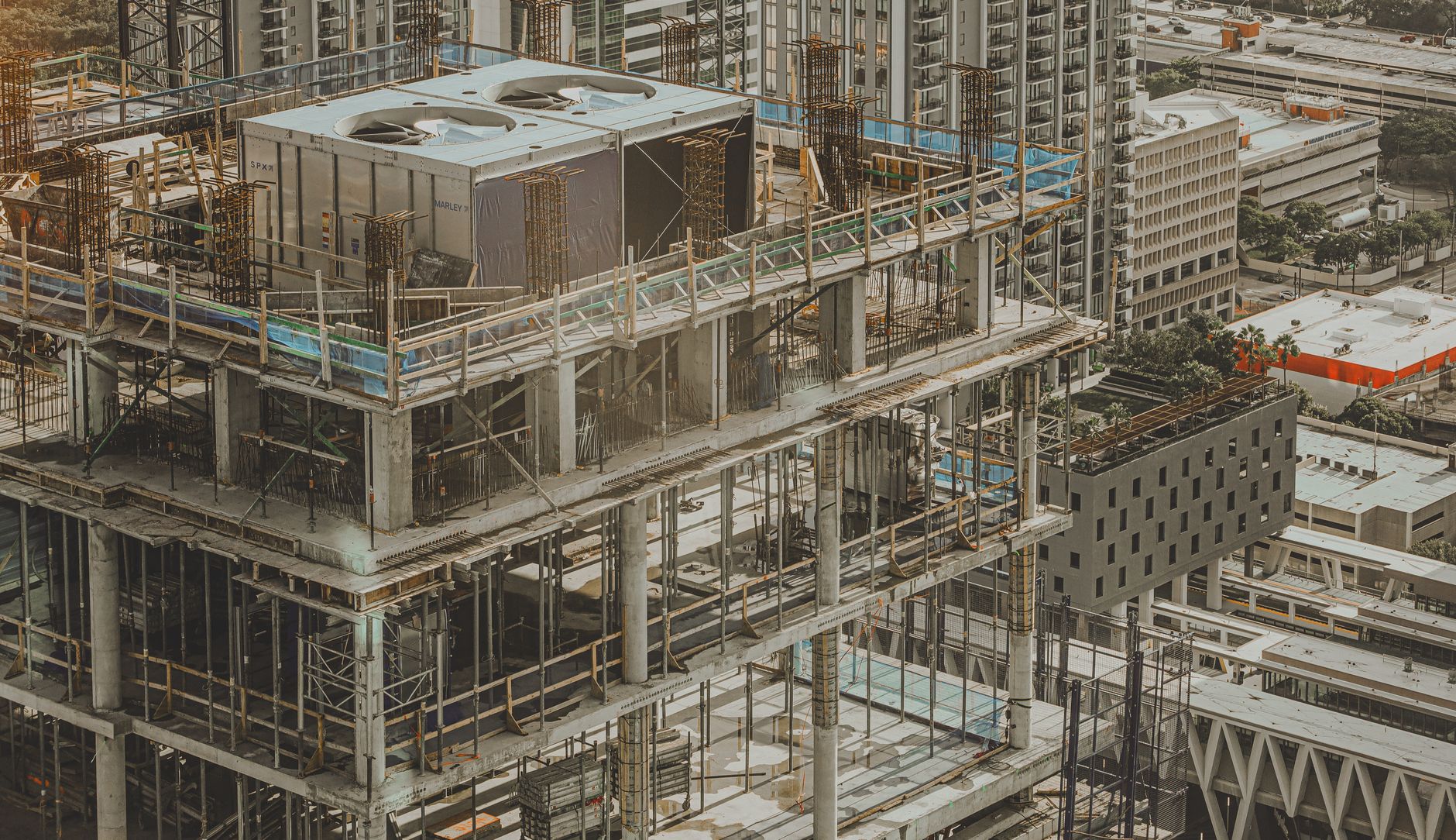
Spraying fireproofing at height with too few specialists
On a high-rise hotel construction project in Tokyo, crews had to spray fire-resistant material onto steel columns so the structure could meet fire and heat exposure requirements. The work is slow, dusty, and skilled, and site leaders reported chronic shortages of workers who can safely perform the spray role at elevation.
The standard crew layout placed three people on each active spray cycle: one running the plant and material feed, one handling troweling and inspection, and a dedicated sprayer working the hose at height. That third role kept a specialist exposed on lifts while the rest of the column cycle waited on human pacing.
Field trial of a mobile fireproofing spray robot
Contractors ran a three-day field trial on live hotel columns roughly four meters high, pairing a mobile spray robot with the existing finishing crew. Operators entered column height and distance data so the unit could automate the spray pass, then craftsmen followed with surface troweling and inspection as they would on a manual job.
The robot combined a travel base, lift, and industrial arm to hold the spray path steady on each face. Crews still handled material supply, cleanup, and quality checks, but the dedicated human sprayer role was removed from the rotation during the trial.
- Measure each column face and load height and offset data before spraying.
- Run automated spray passes on rock-wool mortar, then trowel and inspect by hand.
- Keep plant operation and material supply with the reduced two-person crew.
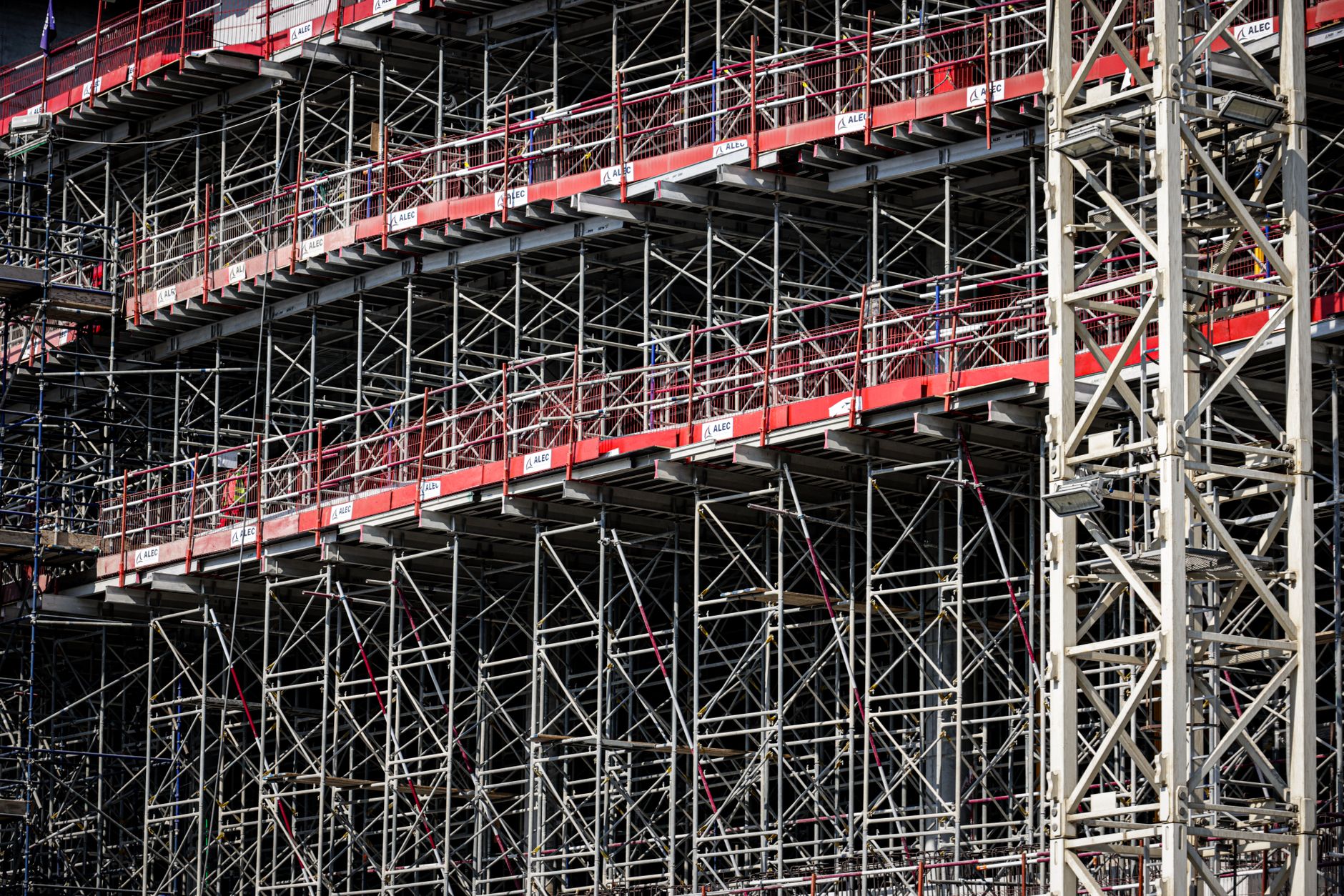
Measured labor and schedule gains on the trial columns
Reporting from the field trial documented a 30 percent labor reduction by dropping the dedicated sprayer and completing each cycle with two workers instead of three. Spray speed on a column face ran at more than twice a typical manual pace, with about three to four minutes per face cited under normal conditions before adjustments for finish quality.
When setup, measurement, and lift moves were included, planners still expected roughly a 20 percent reduction in overall fireproofing duration on the building. The lift integrated into the robot also covered the roughly four meter column height without adding a separate elevating work platform for the spray step.
What US builders can take from the trial
This was a documented Japanese hotel build, not a Service Robot Co. customer project, but the pattern matches what US general contractors ask for on repetitive vertical work: remove the highest-risk specialist role, keep finish quality with the existing trades, and shrink calendar time on the critical path.
Service Robot Co. acts as a vendor-neutral integrator for commercial robots in the United States, including mobile platforms used in construction-adjacent tasks. We help teams run a free site assessment, match financing or monthly robot rental programs to the schedule, deploy and train crews, and keep units running through a nationwide network of regional service engineers.