a high-rise hotel restaurant serving breakfast, lunch, and dinner
Hotel Restaurant Case Study: 3.3 Hours of Transport Replaced Daily
A hotel restaurant used a delivery robot to handle about 100 transport runs a day, replace 3.3 labor hours, and lift guest satisfaction.
- 3.3 hrs/day
- transport work replaced
- ~100/day
- round trips handled
- ¥160k/mo
- labor-cost equivalent
- 4 to 7
- staff able to lead the floor
Based on a documented real-world deployment. Figures are from public reporting; the organization is not named.
The Operational Strain
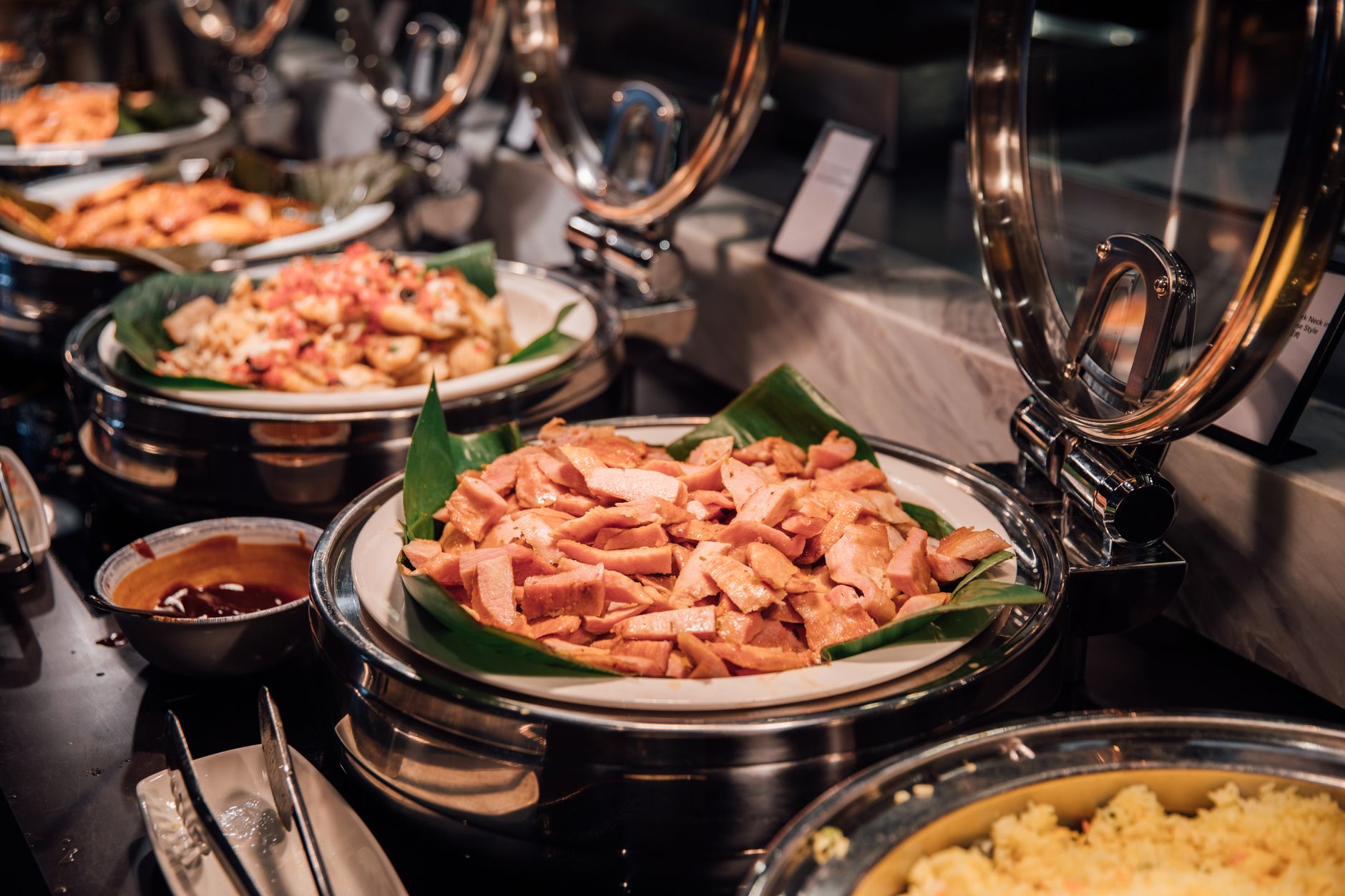
This dining room was not dealing with room service runs or a single static service pattern. It was managing a buffet restaurant that changed rhythm across the day, with breakfast trays, then different lunch and dinner dish flows, all while trying to keep the floor clear, the back area moving, and guest-facing staff out in the room.
Before automation, dish return work demanded steady labor. Staff had to keep moving used trays and tableware from the dining room to the clearing area and onward to washing, which pulled people away from hospitality. Used dishes could also pile up in the drop zone, making it harder to preserve the visual order a hotel restaurant depends on.
- Dish return work required dedicated labor during busy periods
- Staff time spent on transport reduced attention on guest service
- Used tableware could accumulate in the clearing area
- Service patterns shifted between breakfast, lunch, and dinner
How The Robot Was Put To Work
The restaurant did not force one rigid operating model onto every meal period. It adjusted the robot's role by daypart. At breakfast, trays were moved whole. At lunch and dinner, tableware was collected into buckets for batch transport. That let the team match the robot to the actual flow of the room instead of asking the room to bend around the machine.
The rollout also depended on practical site work. Routes were fine-tuned on site so the robot could move safely through a guest environment, and the staff layout around the washing area was changed so service staff no longer had to leave the floor to clear what the robot delivered. The result was a human and robot handoff that supported full-day use rather than a partial pilot.
- Run a trial before full deployment
- Tune routes in the live restaurant environment
- Use one transport method for breakfast and another for lunch and dinner
- Reassign washing-area pickup so dining-room staff stay with guests
Measured Outcomes
The documented outcome was substantial for a single restaurant workflow. The delivery robot handled about 100 round trips per day and replaced 3.3 hours of transport work per day. The case study also estimates the effect at about 160,000 yen per month in labor-cost equivalent.
Operationally, the restaurant no longer needed to station one staff member at the dish return area full time. That extra capacity was redirected into guest service and staff development. The number of staff able to serve as on-site leaders rose from 4 to 7, and the hotel reported that its guest satisfaction score improved after the deployment.
What This Means
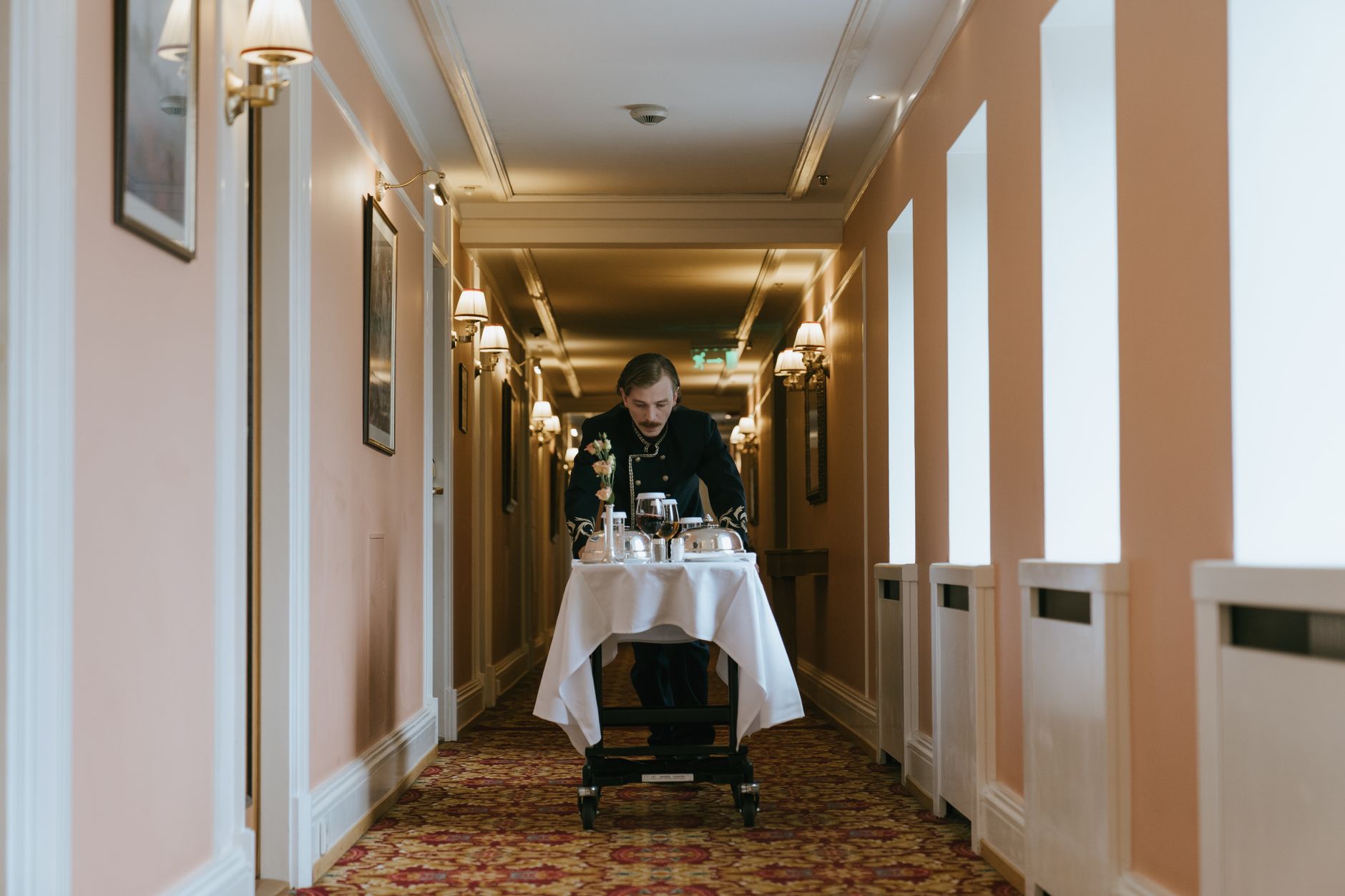
For hotel foodservice, this is a useful example because the gain did not come from a flashy front-of-house gimmick. It came from repetitive transport automation in a restaurant with changing service modes through the day. The robot took over the back-and-forth work that erodes floor coverage, while the staff kept the human parts of service where they mattered most.
That is the kind of job Service Robot Co. is built for. We are a full-service, OEM-neutral commercial robot integrator for US businesses. We help operators choose the right robot across manufacturers, then finance, deploy, integrate, train, and service it through one lifecycle partner, backed by a nationwide US engineer network. One vendor, one number, and a robot program shaped to the site rather than forced from a catalog.