
a national hotpot restaurant chain in China
OEM Case Study: Hotpot Delivery Robots Cut Costs 50%+
An OEM-published Pudu Robotics case: a national hotpot restaurant chain in China cut operating costs by 50%+, with 2 to 3x trip efficiency and 99.90% accuracy.
- 50%+
- lower operating costs
- 2 to 3x
- trip efficiency
- 99.90%
- delivery accuracy
Based on a documented real-world deployment. Figures are from public reporting; the organization is not named.
When transport work eats the shift
This is an OEM-published case from Pudu Robotics about a deployment in China, not a Service Robot Co. deployment.
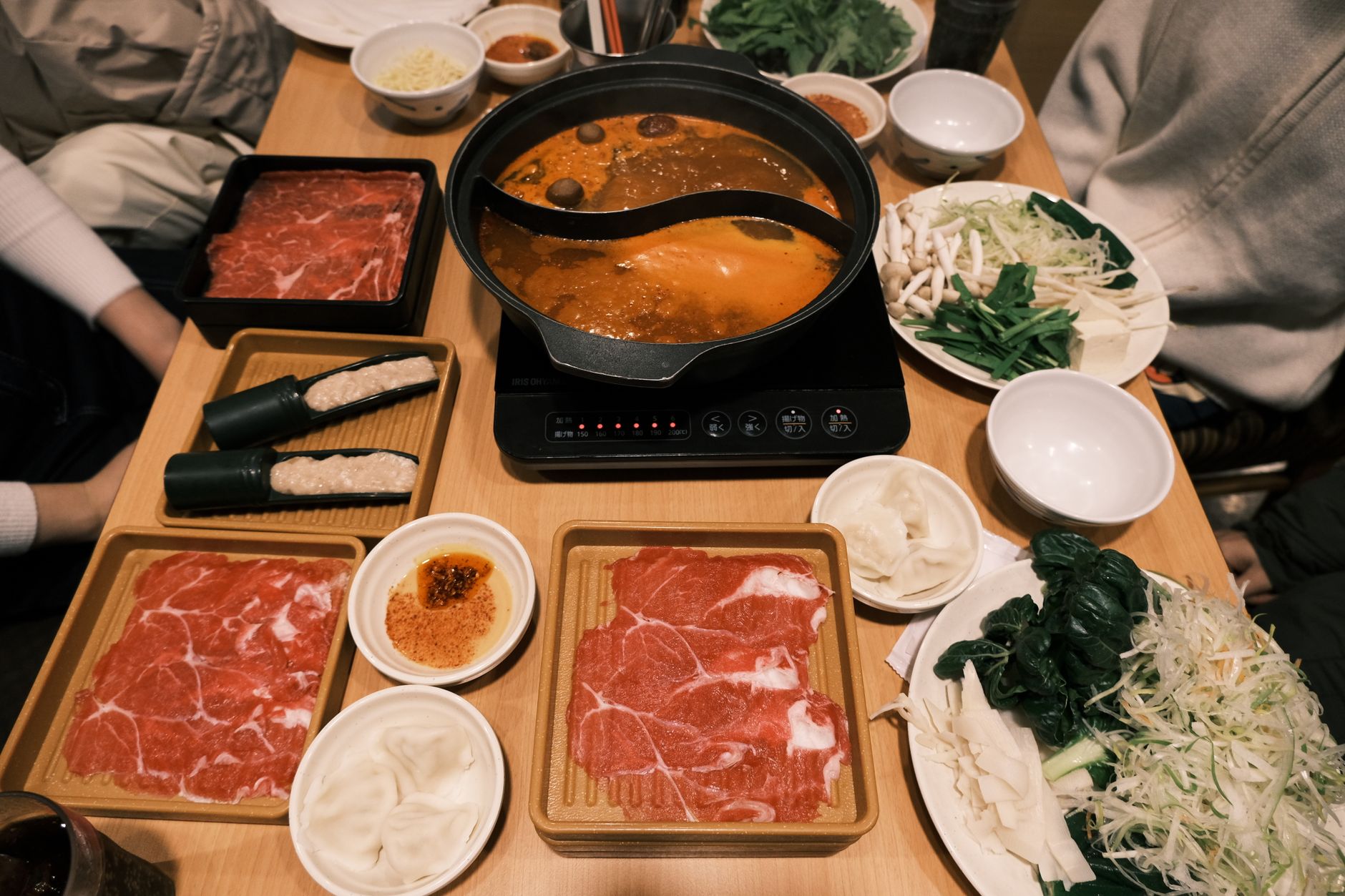
The published case study starts from a familiar restaurant reality. Full-service hotpot is labor-heavy, fast-moving, and repetitive, with food and tableware moving constantly between kitchen and dining room.
When that transport work piles up, staff time disappears into footsteps instead of hospitality. The source frames the deployment around stronger service efficiency and customer experience, which points to a food-running bottleneck in a dense dining format.
- Frequent kitchen-to-table transport work
- Service flow that depends on accurate handoff
- Pressure to improve efficiency without making the dining room feel mechanical
Automation introduced around the plate run
The documented program introduced delivery robots inside live service to take on repeated plate-running work. The source ties the deployment to stronger service efficiency and customer experience, which suggests the robot was placed on the transport lane rather than in a novelty role.
The source also provides an important workforce signal. A staff testimonial says some back-kitchen manpower was freed, giving employees more time to learn other positions and become more versatile. It does not publish the rollout sequence, training curriculum, or service arrangement, so those specifics should be treated as diligence items rather than assumed facts.
- Assign repetitive food-running trips to the robot
- Use the robot to carry more on each trip
- Keep staff focused on guest interaction and flexible station coverage
- Define training and service ownership before scaling the program
Speed, precision, and cost moved together
The verified operating numbers are unusually strong. Delivery efficiency improved by 2 to 3 times per trip, accurate food delivery reached 99.90%, and operating costs fell by more than 50%.
Those metrics matter together. Faster trips alone can hide sloppy execution, and accuracy alone can come without labor relief. Here, the published result pairs speed, precision, and cost discipline in a high-throughput dining environment.
What this means for US restaurant operators

This is a documented market example, not a Service Robot Co. deployment. For US operators, it makes a strong case for a restaurant delivery robot lease or food service robot leasing program when the work is repetitive, route-based, and closely tied to table turns.
Service Robot Co. is a full-service, OEM-neutral commercial robot integrator for US businesses. We select the right robots across manufacturers, then finance, deploy, integrate, train, and service every unit through a nationwide US engineer network.
For chains weighing commercial robot leasing, robot leasing monthly, robot leasing for business, purchase or lease, or a no upfront capital leasing model, the hard part is rarely the brochure. It is site assessment mapping, phased robot deployment and integration, staff training, go live support, and a RoboCare™ service structure so the food runner robot or server assistant robot keeps earning its place on the floor.