a large hydropower dam with 80 internal compartments
How Autonomous Indoor Drones Mapped 80 Dam Compartments With 50% More Coverage
A large hydropower dam replaced months of scaffolding with autonomous indoor inspection drones, gaining 50% more surface coverage per shift and a 300,000-image baseline.
- 50%
- More coverage
- 300K
- Tagged images
- 3+ days
- Saved early
- 52 hrs
- Flight time
Based on a documented real-world deployment. Figures are from public reporting; the organization is not named.
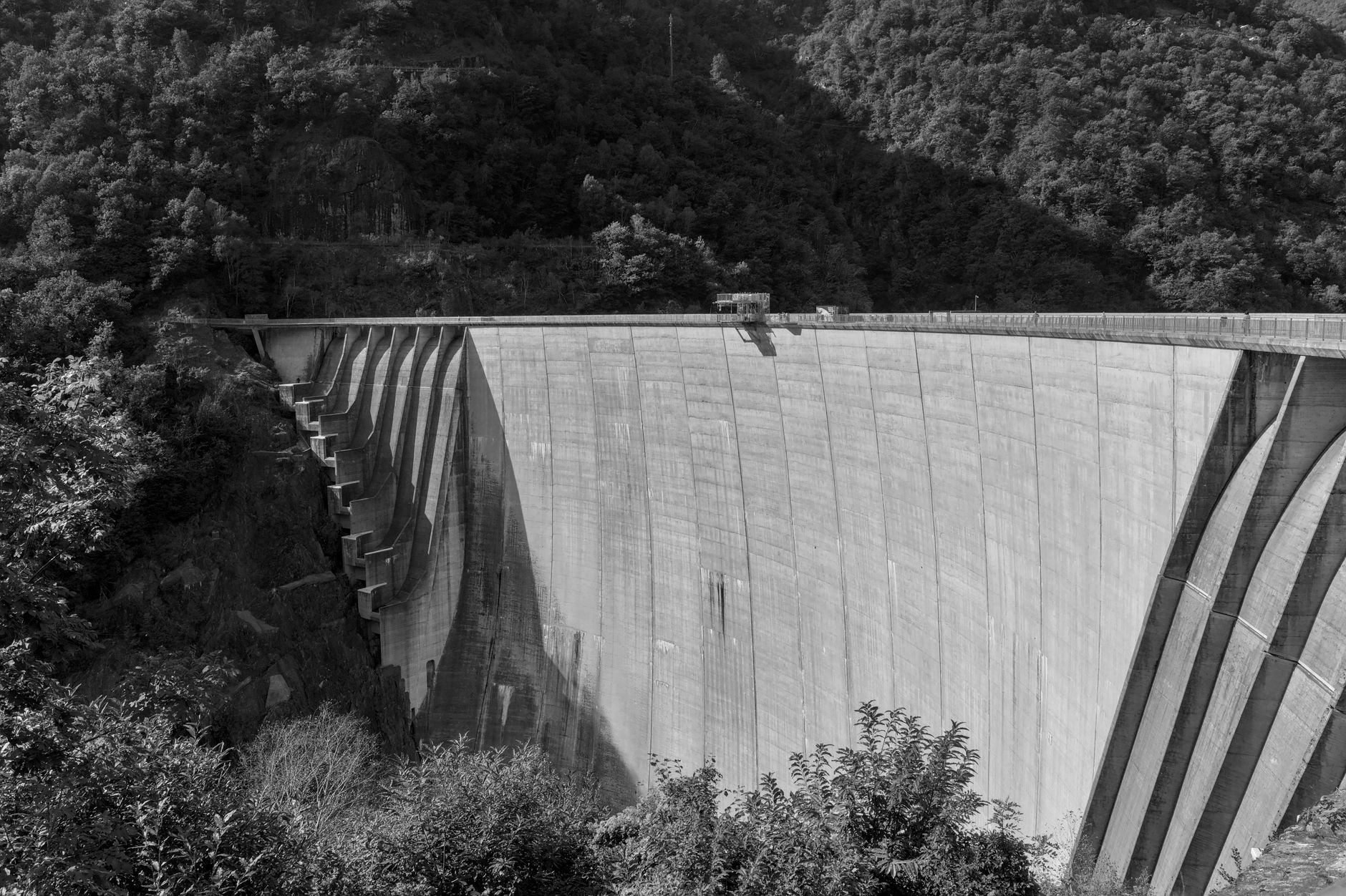
Crack mapping at height inside concrete
A large hydropower dam with 80 internal compartments runs on a long inspection cycle where seasonal temperature swings and water pressure move massive concrete sections slightly. That motion produces surface cracks that must be tracked, not just spotted once.
Legacy work meant parallel scaffolding sets: inspect one compartment, erect the next, tear down the last. The job stretched across months and put crews at height on slick, enclosed walls with limited ability to compare one cycle to the next.
- Months of setup and dismantling per inspection round
- Manual crack sketches that do not align year to year
- Confined concrete galleries with uneven, curved surfaces

From manual flights to surface-locked autonomy
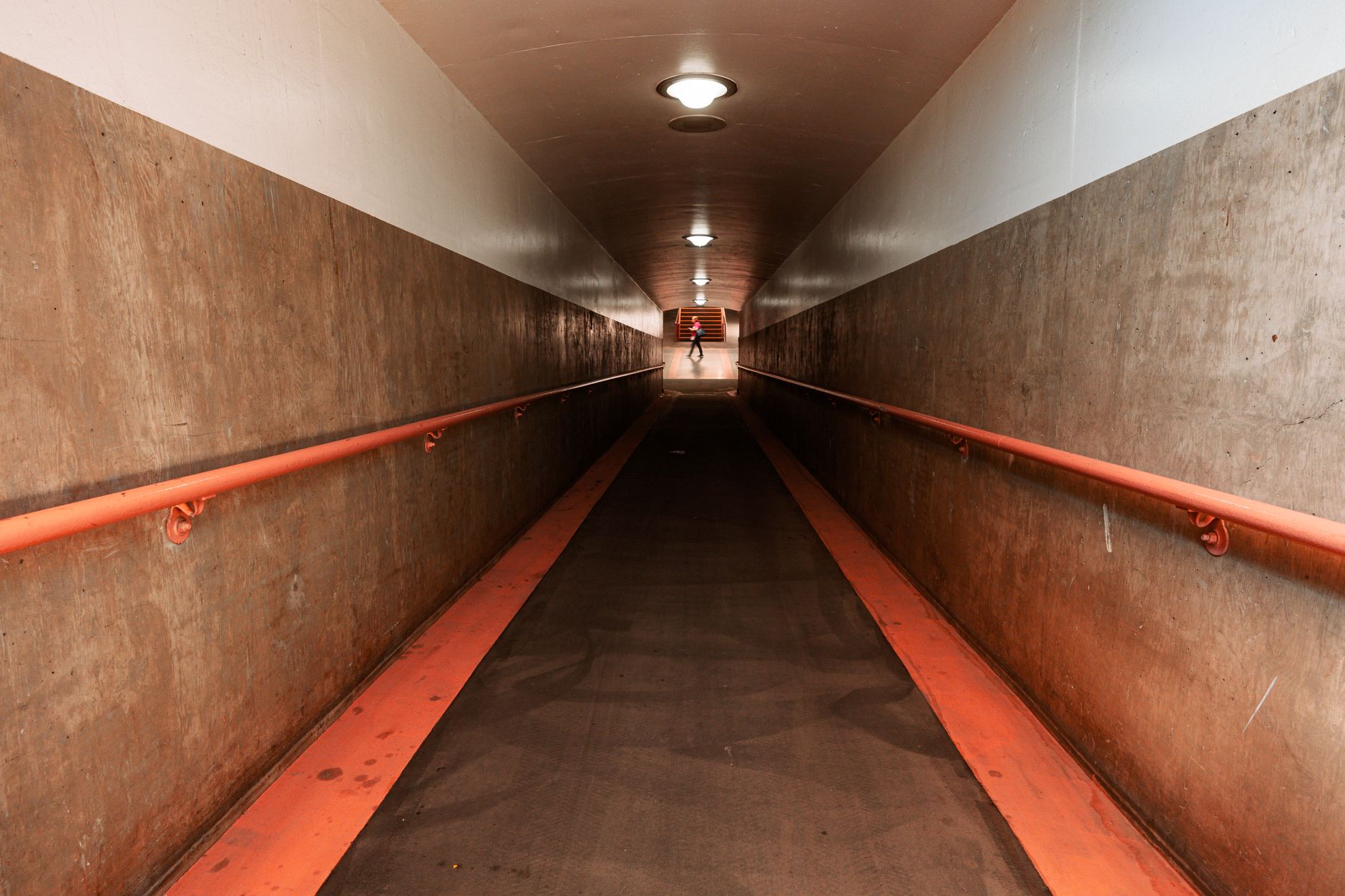
An inspection partner first flew systematic lawn-mower passes with an indoor drone on a tether for power and data. That cut scaffolding but still demanded constant pilot focus.
Mid-project software added automated surface scan, distance lock, and triggered image capture. The pilot marked wall bounds and step width, then supervised while the drone held range and flew structured zig-zag paths. The workflow stayed photogrammetry-ready: consistent speed, framing, and spacing across every pass.
- Define scan bounds and sidestep width per compartment
- Supervise tethered flights instead of hand-flying every line
- Hand off the structured image set for 3D crack modeling
Measured gains on the first compartments
Across 52 flight hours inside the dam, the team captured more than 300,000 location-tagged, high-resolution images. Processing rebuilt each compartment into a navigable 3D model with cracks detected, measured, and exportable for engineering review.
On the two largest compartments, introducing autonomy raised coverage about 50% within the same working time versus fully manual flying, saving just over three workdays on that slice alone. Extrapolating the same efficiency across the remaining smaller compartments pointed to roughly 40 additional workdays avoided versus the old manual flight pace, without returning to scaffolding.

What operators can borrow from this pattern
Hydropower is extreme, but the logic applies anywhere large indoor surfaces need repeat inspection: tunnels, tanks, silos, and industrial ceilings. Autonomous indoor inspection drones turn wall time into a digital record you can re-open at a desk.
Service Robot Co. does not claim this deployment. We are a vendor-neutral integrator that helps US operators select, finance, deploy, train on, and service inspection robots and related platforms through a nationwide engineer network. A free site assessment and phased pilot program can prove coverage on one bay before you scale.