
a family-owned commercial cleaning contractor in the Southeast
Commercial Cleaning Case Study: 25% Higher Efficiency
A family-owned commercial cleaning contractor in the Southeast used robot vacuums to raise efficiency 25% and hold 100% customer retention.
- 25%
- Higher cleaning efficiency
- 100%
- Customer retention maintained
- 25%
- Crew productivity lift
Based on a documented real-world deployment. Figures are from public reporting; the organization is not named.
Pressure on the Nightly Floor Program
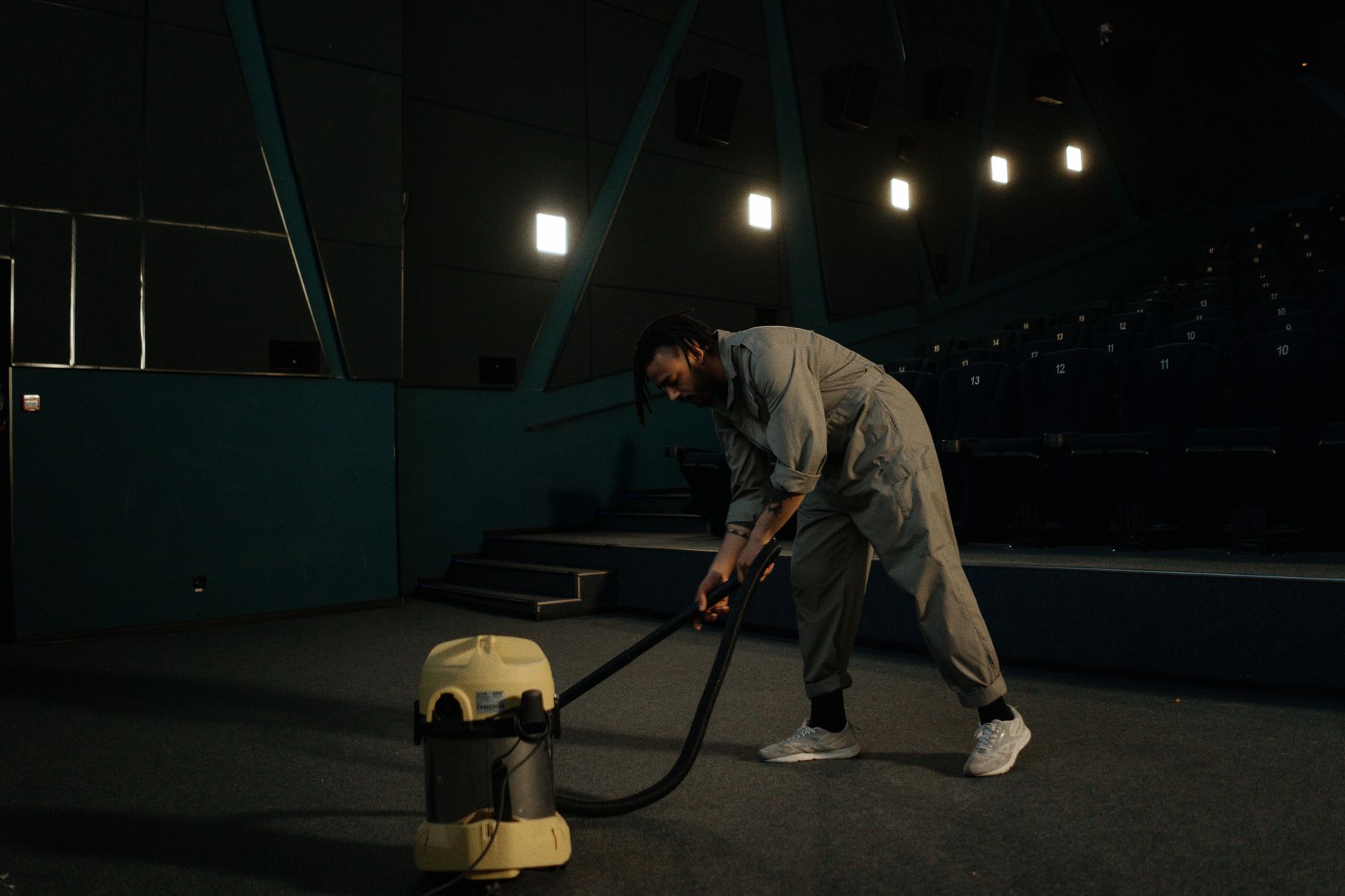
The operation was under strain from the kind of work that quietly burns out a crew. Repetitive vacuuming had to be done night after night, yet customers were asking for clearer proof that the space had actually been cleaned to spec.
Those demands intensified during the pandemic, when expectations for visible cleanliness rose fast. For a family-owned commercial cleaning contractor in the Southeast, the gap was not just labor. It was documentation, consistency, and the ability to keep service quality steady under pressure.
- Repetitive vacuuming was driving worker fatigue.
- Customers wanted proof of clean, not verbal assurance alone.
- Higher cleaning demands tightened service expectations.
Automating the Repetitive Pass
The published account does not present a long rollout checklist. What it does make clear is the operating logic: robot vacuums took over certain repetitive cleaning tasks, so the contractor could standardize a labor-heavy floor pass instead of spending human time on the same route each shift.
That change also turned vacuuming into a reportable process. Run data supported proof of clean, while human crews were freed to take on additional disinfecting and sanitizing work. The robot handled the repeatable pass, and the staff handled the judgment-heavy work.
- Automate certain repetitive vacuuming tasks.
- Use cleaning data to show proof of clean.
- Reassign crew time to disinfecting and sanitizing.
- Keep people focused on detail work and customer care.
What Changed After Deployment
The headline outcome was a 25% increase in cleaning efficiency. Just as important, the contractor maintained 100% customer retention, which shows the gain did not come at the expense of service quality.
The benefits were broader than raw speed. Cleaning crews became more productive, the business added disinfecting and sanitizing services, and customers received proof of clean. In building services, that mix of output, visibility, and retention is hard to ignore.
What This Means for Service Robot Co.

This is a documented example from another operator, not a Service Robot Co. deployment. Still, it captures the exact operating question many building services firms face: how to move repetitive floor care onto a robot without turning the project into a multi-vendor headache.
Service Robot Co. is built around that gap. As a vendor neutral robot integrator for US businesses, it helps buyers choose the robot that fits the floor, then handles financing, robot deployment and integration, training, and service through a nationwide engineer network. For teams exploring commercial cleaning robot leasing, robot leasing monthly terms, or leasing, that single lifecycle owner is the point.