
a 23,000-square-meter acute-care hospital in Japan served by a national facilities management contractor
How a Japanese Acute-Care Hospital Freed Four Cleaners From Floor Scrubbing
A 23,000-square-meter acute-care hospital cut overtime by moving four cleaners off hard-floor scrubbing onto detail work with a mapped autonomous scrubber on two floors.
- 23,052
- Sq m floor area
- 25-26
- Cleaning crew
- 4
- Staff redeployed
- 2
- Floors automated
Based on a documented real-world deployment. Figures are from public reporting; the organization is not named.
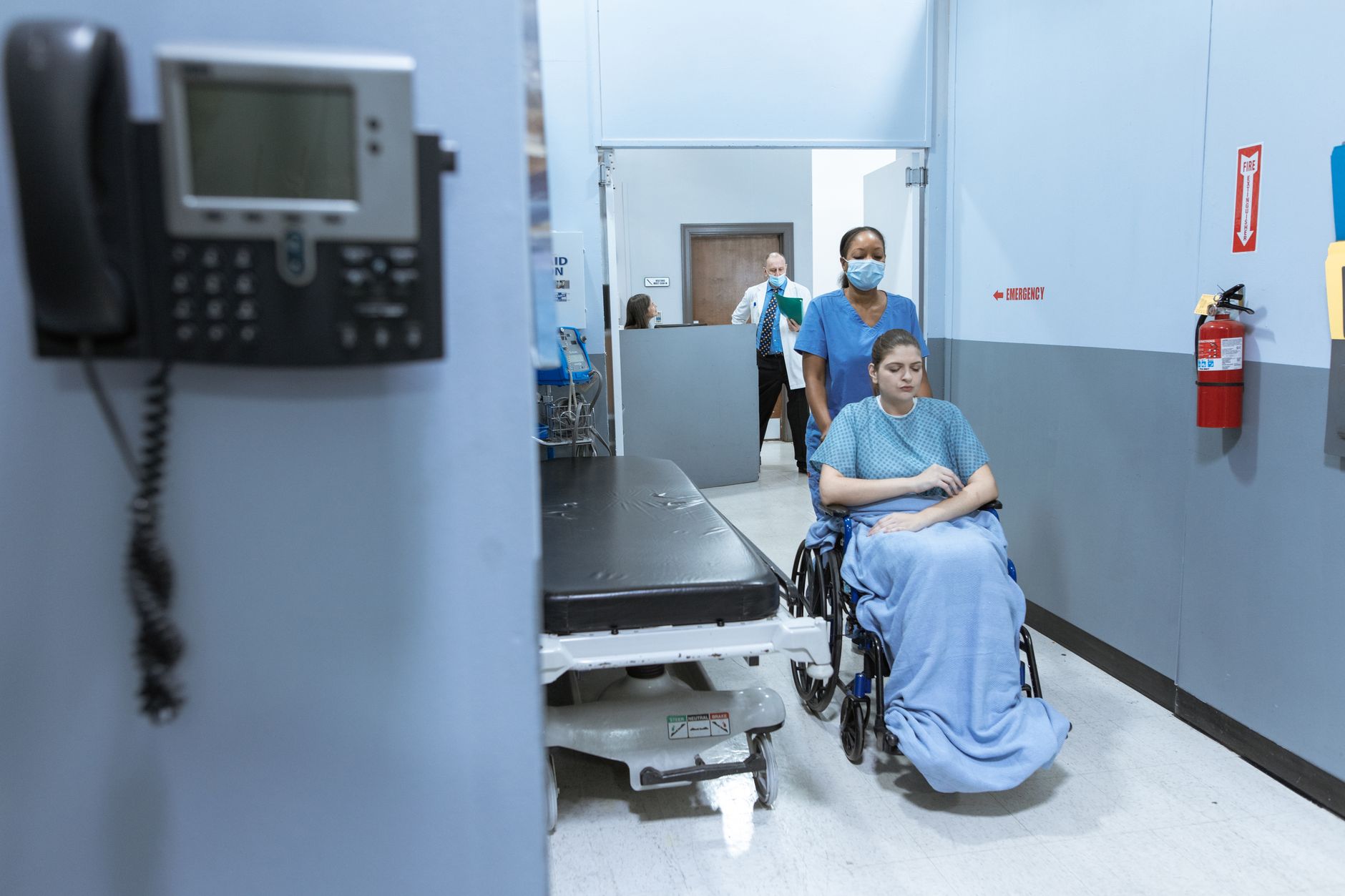
A hospital floor plan that outran the night shift
The acute-care campus spans 23,052 square meters of hard flooring that must stay clinical-grade clean despite constant patient, visitor, and supply traffic. A facilities contractor staffed the job with a 25 to 26 person team working from early morning until about 8 p.m., yet managers still scheduled overtime just to keep up with repetitive scrubbing.
Large corridors and ward connectors on the first and second floors absorbed a disproportionate share of mop time. Supervisors could not reliably assign those hours to touchpoint disinfection, glass, or restroom detail because the scrubbing backlog kept sliding into the next shift.
- Hard floors covered more than 23,000 square meters across the hospital
- Cleaning shifts ran from about 6:30 a.m. to 8 p.m. with overtime common
- Repetitive scrubbing crowded out higher-skill infection-control tasks
Map two heavy-traffic floors, then let the scrubber hold the line
The contractor introduced an autonomous hard-floor scrubber with lidar mapping, scheduled routes, and remote progress tracking through a mobile app. Engineers walked the first and second floors, defined zones that could run without escorts, and set predetermined scrub windows that avoided peak patient moves.
Crew leads kept humans on elevators, isolation entries, and spill response while the robot handled the long straightaways. Training focused on filling tanks, verifying squeegee contact, and restarting missions after planned obstacles rather than pushing mops.
- Mapped autonomous routes on the first and second floors
- Scheduled scrubs at set times instead of ad hoc mop crews
- Used remote monitoring to confirm completed passes before sign-off
Four cleaners moved off scrubbing, overtime eased
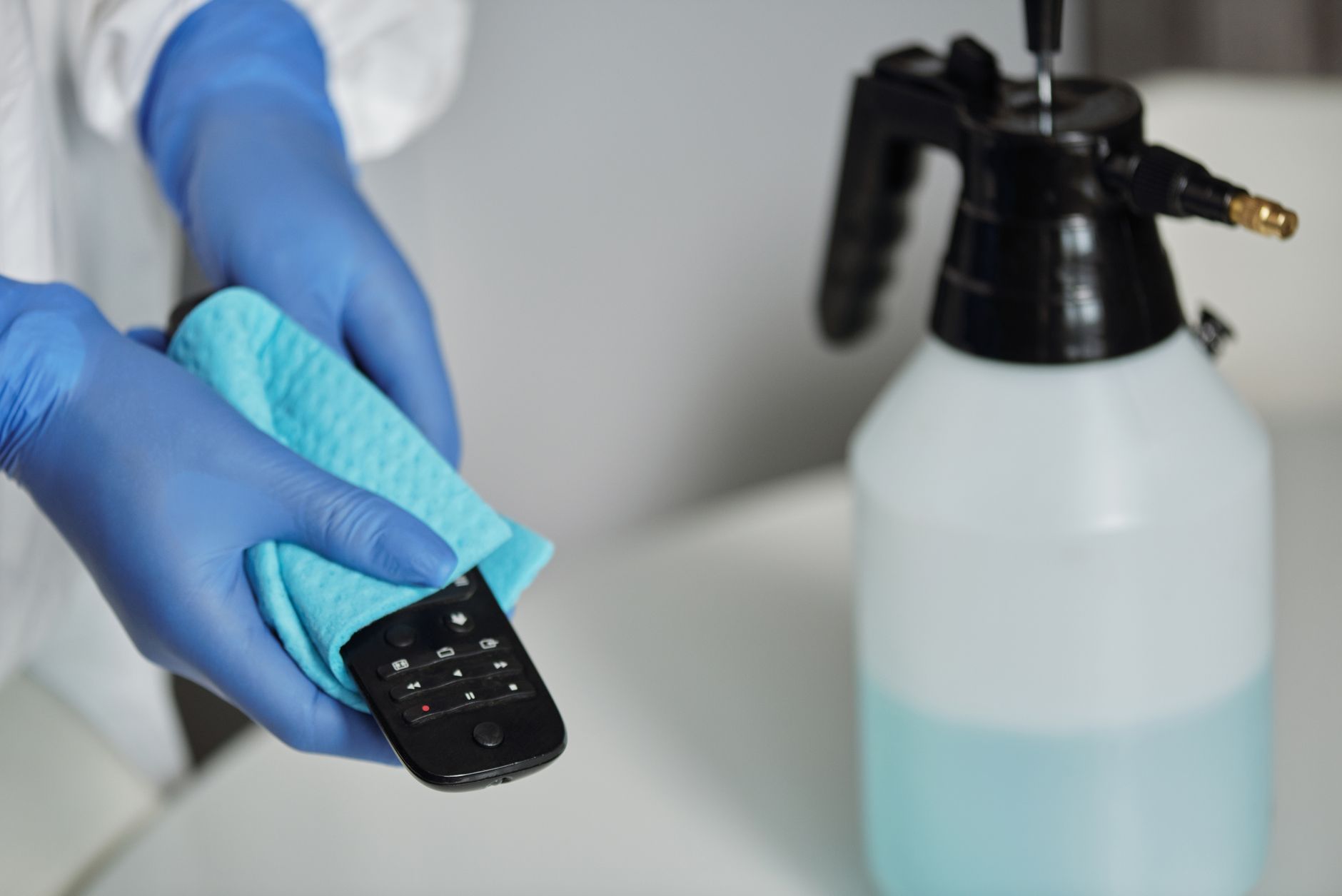
After the robot took over programmed hard-floor scrubbing on two levels, the contractor reallocated four cleaners from repetitive machine work to detailed surface cleaning that demands finer technique. Managers reported less overtime because the floor schedule stopped competing with the rest of the hospital workload.
Quality held because the autonomous passes ran on time instead of whenever a mop bucket freed up. Staff described better work-life balance once night extensions tied to scrubbing backlog dropped, even though the overall 25 to 26 person team size stayed in place.
What US healthcare operators can borrow from the playbook

Large hospitals and medical office campuses face the same math: square footage grows faster than EVS hiring, and overtime is an expensive patch. A vendor-neutral integrator such as Service Robot Co. can match an autonomous scrubber to your actual floor types, then bundle rental or lease options, mapping, staff training, and nationwide service so you are not juggling separate finance and repair vendors.
The documented Japan deployment did not replace the whole department. It removed four people from one repetitive task so they could cover detail work that protects patient perception. That is the realistic promise for US acute-care and outpatient sites considering commercial cleaning robot rental or a month to month scrubber lease with maintenance included.