a Norwegian land-based fish farming operation that must drain and sterilize grow-out tanks on a 12-week cycle
How a Land-Based Fish Farm Cut Tank Cleaning From Two Person-Days to 90 Minutes
See how one operator finished a full grow-out tank clean in 90 minutes instead of a two-person day, shrinking downtime on a 12-week sterilization cycle.
- 90 min
- full tank clean
- 12 wk
- sterilize cycle
- 1
- ground operator
- 2→1
- crew per tank
Based on a documented real-world deployment. Figures are from public reporting; the organization is not named.

Sterilization windows that stall production
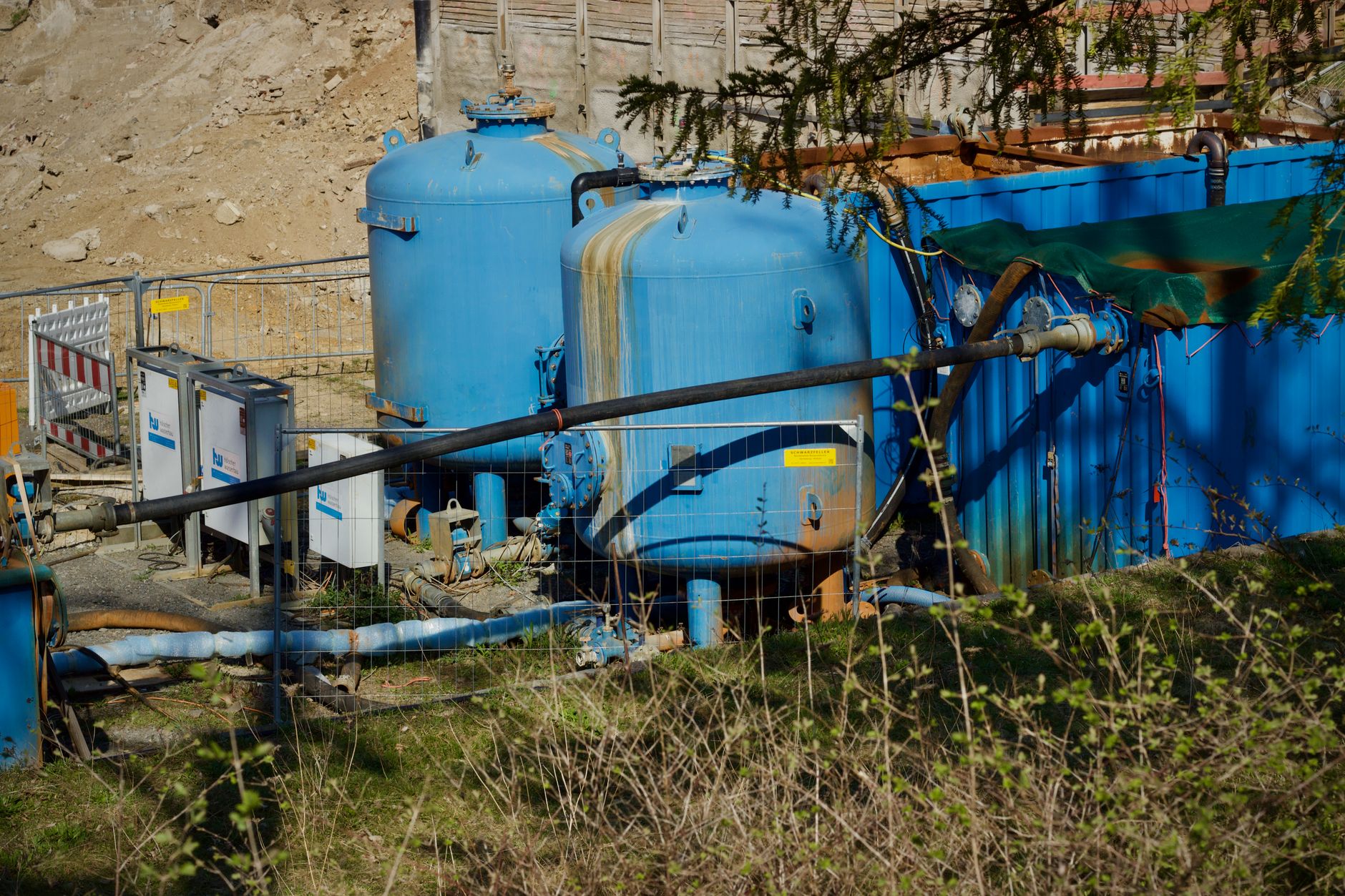
Land-based aquaculture keeps juvenile fish in controlled tanks before they move to sea pens. Regulations and quality targets require each grow-out tank to be emptied, scrubbed, and sterilized on a 12-week rhythm.
The documented baseline was slow and labor heavy. Cleaning one tank took a full day with two workers on vertical, algae-slick walls. The site paused normal production for that window, and crews faced slip hazards plus scaffolding or harness work.
- One tank per day was the manual throughput cap
- Two people were tied up for each full clean
- Facility operations stopped while tanks were offline
A wall-climbing cleaner operated from the deck
Operators evaluated an autonomous tank-cleaning robot built for wet, acidic, and basic washdown chemistry. Vacuum fans hold the unit on vertical tank walls while tracked belts drive across slippery biofilm.
A single technician runs the machine from the tank floor, avoiding rigging time. Pilots at several large Norwegian fish farming sites tested the design through 2022 proof runs and refined prototypes delivered in 2023 and 2024, with work continuing toward fuller autonomy.
- Map each tank geometry and manhole access before the first run
- Train one lead operator per shift on vacuum hold and belt care
- Schedule cleans inside the 12-week maintenance calendar
- Log downtime per tank to compare against the old two-person day
Measured turnaround on the tank cycle
Public project reporting states the robot cleans an entire tank in about 90 minutes with one operator, versus the prior one-tank-per-day job that required two people.
That compression directly attacks the cost driver: lost production days during sterilization. Crews also spend less time on confined, slippery work because the machine carries the wall contact.
What US operators can borrow from the pattern
This deployment is a documented example, not a Service Robot Co. customer story. It still shows how a vendor-neutral integrator thinks about specialty automation: match the robot to the chemistry and geometry, phase pilots before you bet a full fleet, and keep service paths clear when downtime is measured in lost harvest days.
Service Robot Co. helps US businesses compare categories from manufacturing plant robot rental to inspection and cleaning platforms, then handles financing, deployment, training, and nationwide field support under one contract. Month-to-month robot leasing for business and pilot programs let you prove cycle-time gains before you scale.