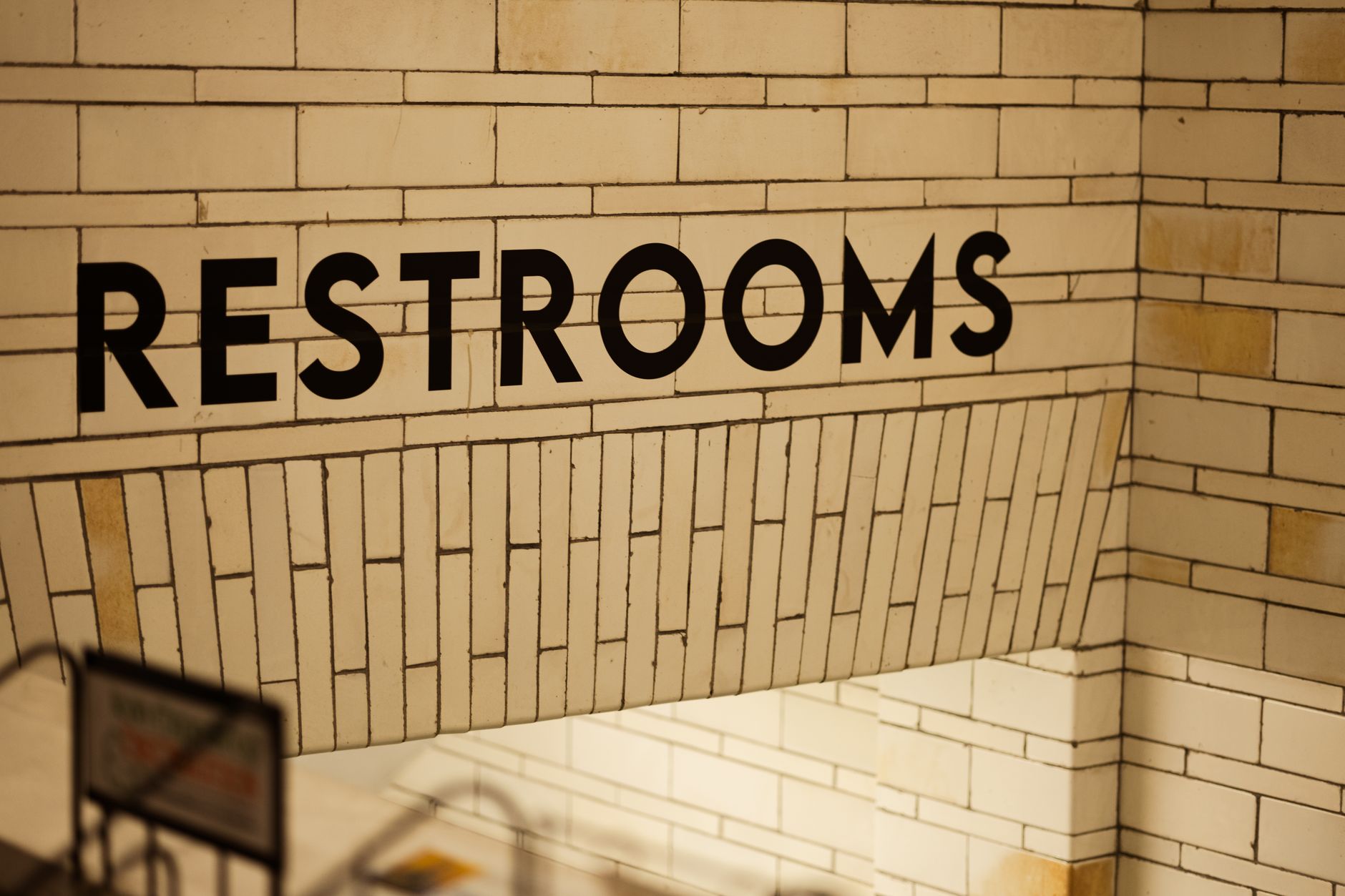
a contract cleaning team serving a major urban public main library
How a Landmark Public Library Saved Two Hours of Floor Care Every Day
Urban main library crew saves two hours daily with an autonomous scrubber, freeing staff for restrooms and detail work before doors open.
- 2 hr
- saved each workday
- 80%
- cleaner floors reported
- 15 min
- daily robot upkeep
- Jan 2023
- scrubber went live
Based on a documented real-world deployment. Figures are from public reporting; the organization is not named.

Historic tile and tight morning windows
The main library building spans hundreds of thousands of square feet of ornate tile, marble accents, and grout lines that trap dust when crews only dry-mop. Patrons arrive early, so floor techs had to finish scrubbing before the doors opened.
Dust mopping every route and then wet scrubbing with buckets consumed entire shifts for the floor specialists. Grout held soil that mops missed, and supervisors still needed those same people for heavily used restrooms and surface wiping across departments.
- Floor care ate full shifts before opening
- Grout lines stayed dingy after dry mopping
- Bathrooms and touchpoints competed for the same crew
Mapped routes and a morning scrubber run
In early 2023 the contract team added an autonomous floor scrubber to the floor tech pair. They mapped repeatable paths through reading rooms and corridors, then trained both techs to launch the machine at the start of each shift.
While the scrubber followed its route, technicians moved to bathrooms, stocking, and detail work in other wings. Supervisors treated the unit like another crew member so absences would not stall floor quality.
- Map high-traffic tile zones once, then reuse routes
- Start the scrubber at shift open while staff fan out
- Keep a short daily cleaning routine on brushes and hoppers
- Use freed minutes to backfill other departments when someone is out

Two hours back and visibly cleaner tile
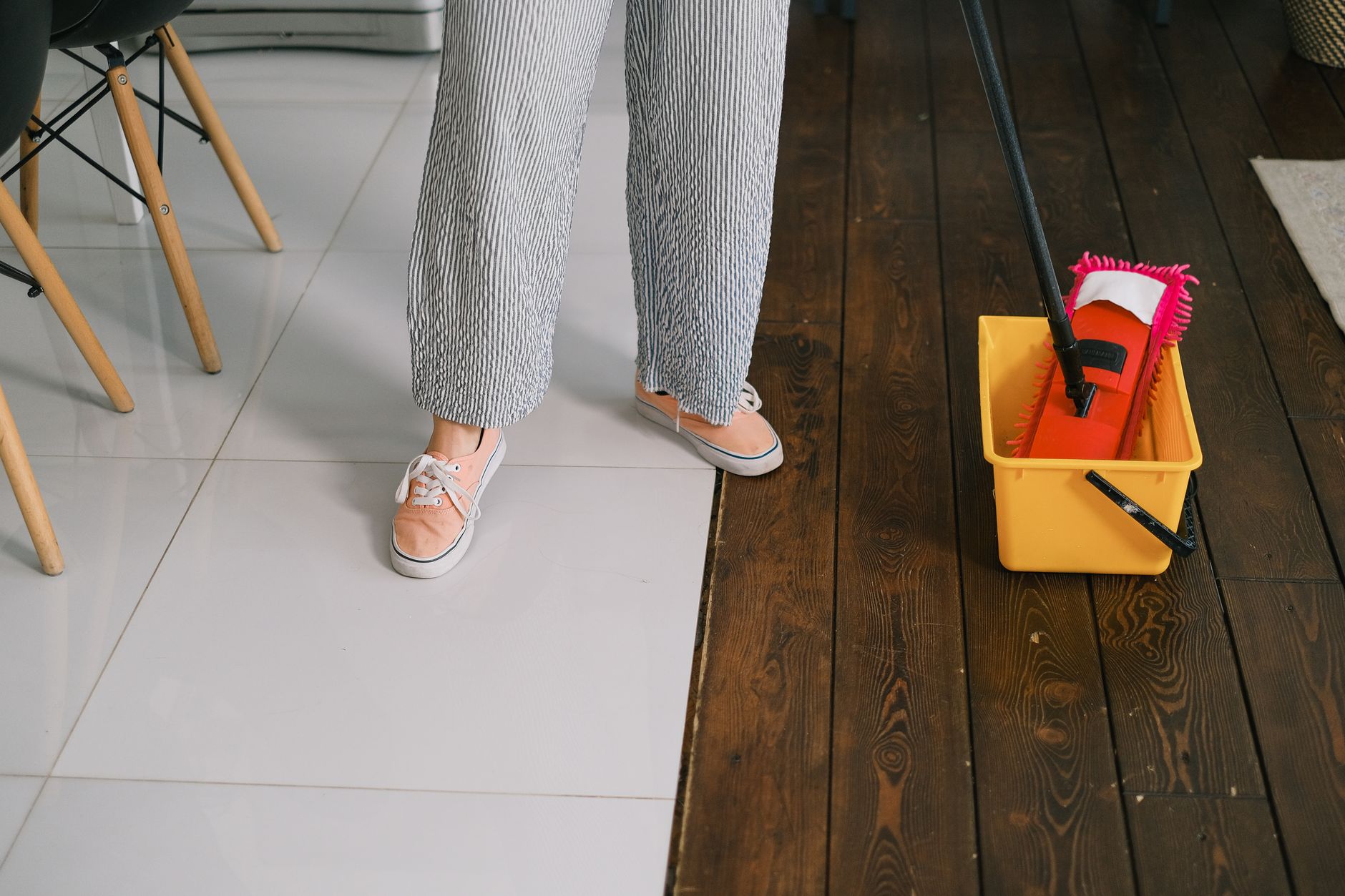
The team reports at least two hours of labor returned every day since the scrubber joined the floor program. Floor techs finish entrance and reading-room tile before the public arrives, then help with restrooms and wiping tasks that used to wait.
One floor tech estimates tile looks about 80 percent cleaner than under the old mop-and-bucket routine, with compliments from library staff. The brush and debris collection also pulls soil from grout lines instead of pushing dust into the joints. Daily upkeep on the machine takes about fifteen minutes when brushes and magnetic parts are kept clean and charged.
What similar civic sites can expect from rental partners
Service Robot Co. is a vendor-neutral integrator for US businesses that need commercial cleaning robot rental, training, and nationwide service without locking into one OEM. We map your floors, set phased go-live support, and keep maintenance included so night-shift autonomous scrubber plans do not stall when staff are thin.
A month-to-month robot lease or pilot program lets a public library or campus cleaning team prove overnight floor care before capital buys. One partner handles site assessment, integration, and on-site dispatch when a spare unit is needed.