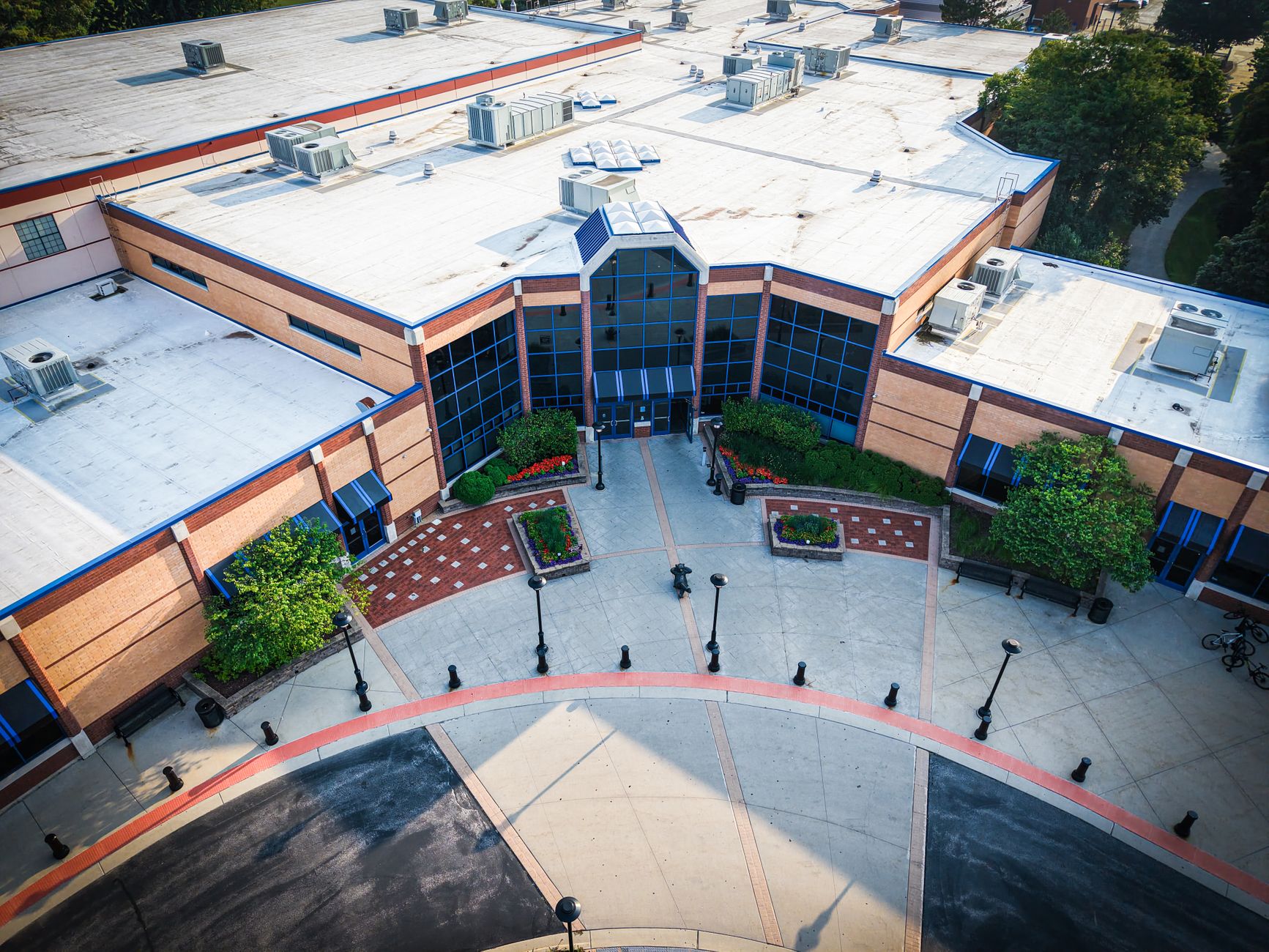
a large suburban high school in Illinois with about 3,500 students
How a Large Illinois High School Saved 4 to 6 Hours Daily With a Robotic Scrubber
A 470,000-square-foot suburban Illinois high school used an autonomous scrubber to reclaim 4 to 6 hours of floor care daily while raising cleaning standards.
- 4-6 hr
- Saved daily
- 470k sf
- Floor area
- 30-70k
- Sq ft/shift
- 20-30 hr
- Weekly target
Based on a documented real-world deployment. Figures are from public reporting; the organization is not named.
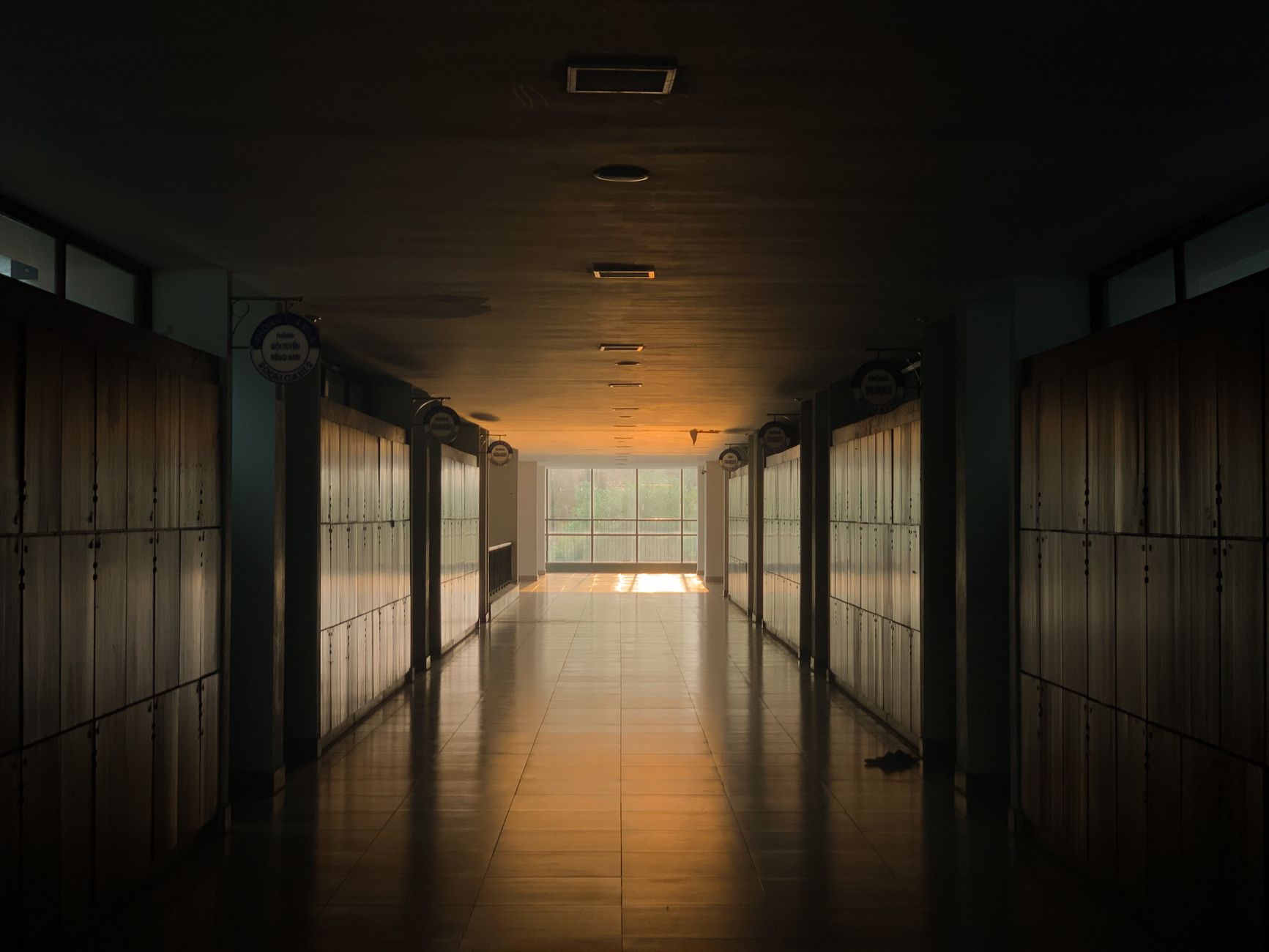
A giant floor plan with a thin custodial bench
A large suburban high school in Illinois with about 3,500 students carries roughly 470,000 square feet that must look cared for every school day. Twenty-four custodial staff keep up with daily cleaning, yet leadership still wanted deeper disinfection and detail work after the pandemic raised expectations.
Manual scrubbing on that scale eats shifts fast. The building services contractor needed a way to hold hallway and commons standards without hiring a parallel night crew.
- Back-to-back class changes that limit wet-floor windows
- Pressure for electrostatic and detail tasks on top of routine care
- Limited labor to cover corridors and large open zones
One autonomous scrubber on the busiest routes
The contractor introduced an autonomous floor scrubber sized for wide corridors and open commons. The unit runs alongside staff, using onboard navigation so a trained operator can supervise while other team members handle classrooms and touchpoints.
Deployment focused on the highest-traffic hard-floor zones first. Leadership tracked run time and square footage per shift so they could compare autonomous output against the old manual scrubbing schedule.
- Map primary hard-floor loops before the first autonomous shift
- Train custodial leads on start, stop, and obstacle workflows
- Review daily coverage reports with school administrators
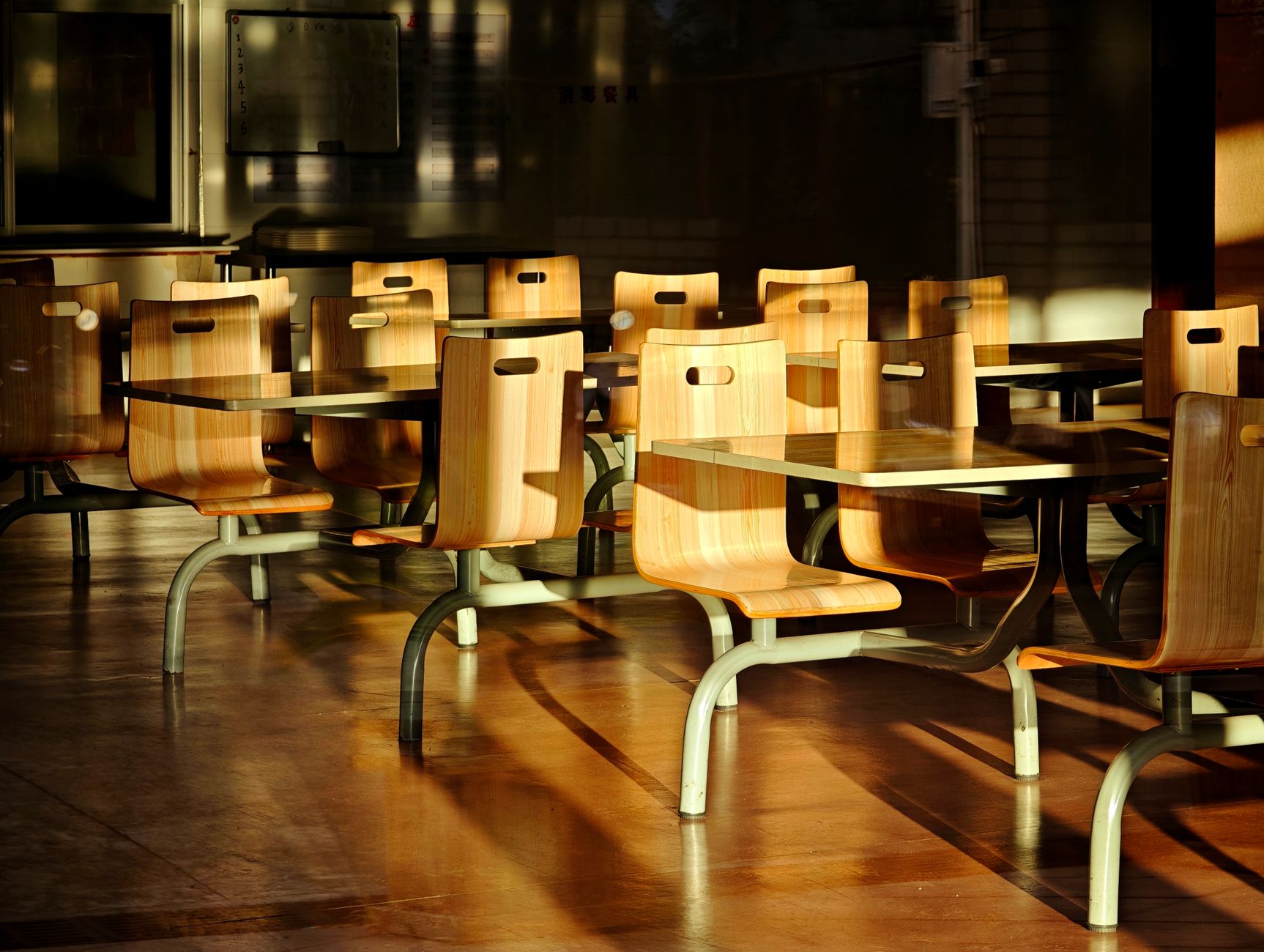
Measured time back on the floor
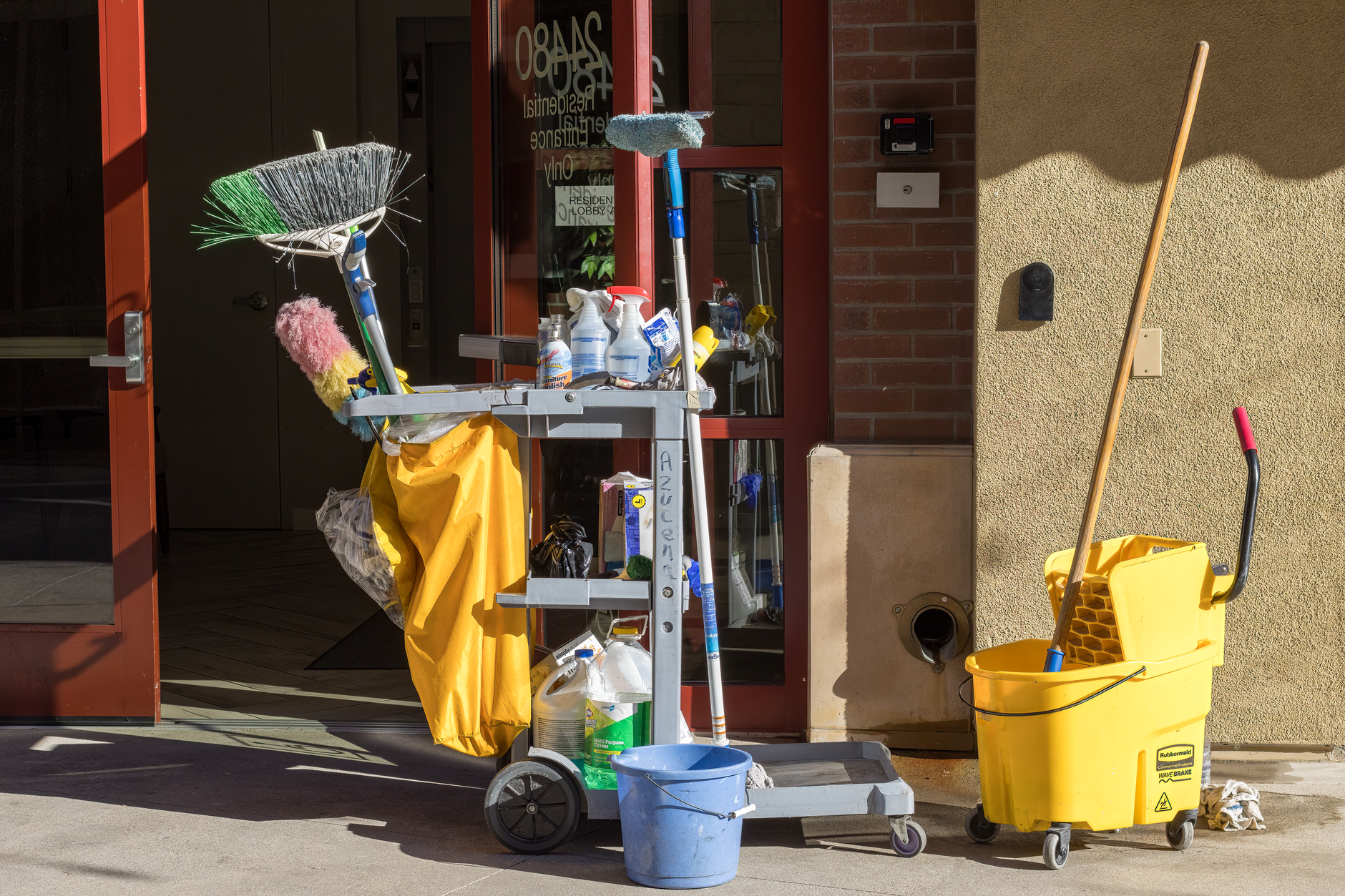
The published Tennant case study reports the scrubber cleans between 30,000 and 70,000 square feet per shift at the school. That throughput is what makes the labor math work on a campus this large.
At the time of reporting, the program was saving 4 to 6 hours per day compared with the prior manual scrubbing burden. When the building returns to full capacity, the contractor expects 20 to 30 hours saved per week, with staff redeployed to deeper cleaning tasks that used to wait for a slow week.
Lessons for district and contractor leaders
This deployment was executed by a building services contractor and documented by the equipment maker, not by Service Robot Co. The takeaway is that a single autonomous scrubber can buy back multi-hour blocks on very large K-12 footprints when routes are predictable.
Service Robot Co. helps U.S. schools and contractors compare autonomous floor scrubber buy or lease options across manufacturers, then finance, deploy, integrate, train, and service units through RoboCare and a nationwide network of regional service engineers. A free site assessment can show whether your longest corridors are ready for a pilot before you commit fleet-wide.