a large public school district in the upper Midwest with dozens of campuses and multi-acre athletic fields
How a Large Midwest School District Reclaimed $62,000 a Year With Robotic Mowers
After a summer pilot, a Midwest school district bought 43 GPS mowers and reported about $62,000 yearly labor and fuel savings with no layoffs.
- $62K
- Annual savings
- 43
- Robotic mowers
- 19
- Units deployed first
- 48-acre
- Largest turf site
Based on a documented real-world deployment. Figures are from public reporting; the organization is not named.
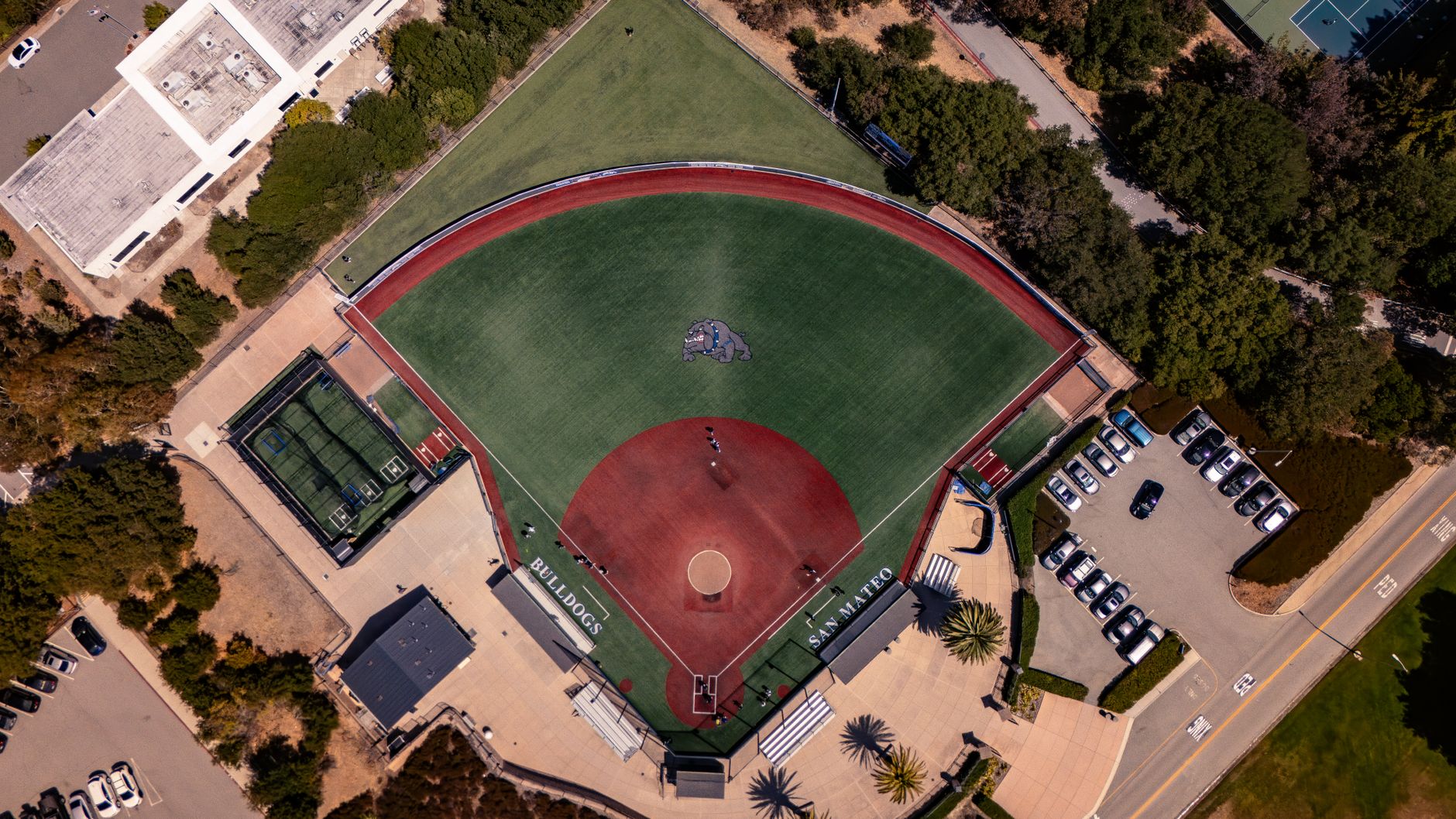
Weekly mowing stretched a thin grounds crew
A large public school district in the upper Midwest maintains grass at high schools, elementary schools, and a performing arts campus with multi-acre fields. Five groundskeepers plus custodial staff had been fitting weekly mowing into schedules already packed with building upkeep, snow prep, and event support.
Riding mowers demanded fuel, blade maintenance, and operator time that did not scale when acres grew faster than headcount. Leaders wanted healthier turf without asking custodians to trade classroom readiness for lawn hours.
- Seasonal peaks collided with the same small crew that handles snow equipment and interior tasks
- Large athletic and arts sites needed more frequent cuts than a once-a-week tractor pass could deliver
- Fuel and equipment upkeep on traditional riders added cost every season
Pilot first, then a mapped fleet rollout
Facilities leaders ran a summer pilot at one high school to watch how GPS-guided robotic mowers handled real campus boundaries, rough spots, and daily schedules. Grant funding helped move from trial to purchase of 43 units sized by acreage, with more robots on the biggest sites and single units on smaller elementary campuses.
Crews installed elevated reference stations so satellite guidance could cover wide radii, then programmed keep-out zones for rugged terrain. Operators mapped perimeters with handheld controllers, saved geofences, and set overnight runs so turf cutting continued outside staff shifts. Theft protection shut units down if they crossed an electronic border.
- Summer pilot at one high school before districtwide buy
- 43 robotic mowers allocated by acreage across campuses
- GPS boundary mapping with geofences and overnight mowing windows
- Existing riding mowers retained for snow removal, not retired

Measured savings without cutting jobs

The district reported about $62,000 a year in combined labor, fuel, maintenance, and related expense savings. Leaders stressed that no positions were eliminated; robots took over routine mowing so groundskeepers and custodians could focus on healthy buildings and specialized tasks.
At rollout, 19 of the 43 robots were active across eight schools, including high, elementary, and performing arts sites. The largest site, a 48-acre field at a performing arts campus, ran three units. Staff described mowing that could run five hours overnight and resume before morning activities, keeping turf even without adding weekend shifts.
What this means for schools weighing outdoor robots
This deployment is a documented public-sector example, not a Service Robot Co. customer story. It shows how K-12 operators can treat robotic mowers like any other capital equipment decision: pilot on one site, map boundaries carefully, and phase fleet rollout while keeping humans on higher-skill work.
Service Robot Co. helps US organizations compare outdoor and indoor robots across vendors, then finance, deploy, train, and service units through a nationwide engineer network. A free site assessment and robot pilot program can mirror the district's try-before-scale path, whether the need is campus turf, overnight floor scrubbing, or security patrol on parking lots.